
Standing in front of a cabinet full of cookware and wondering which pan to grab is a common kitchen moment. Choosing the right one makes a bigger difference than most recipes admit. Skillets give you a hard sear and crispy edges, a sheet pan roasts everything at once with plenty of browning, and a Dutch oven turns tough cuts and dried beans into tender, cozy meals. Each piece handles heat in its own way, so matching the pan to the dish saves time and gives you better results. This guide breaks down what each pan does best, which meals suit it, and simple signs you grabbed the wrong one. You will also find a quick cheat sheet that matches popular weeknight dinners to the right pan. Once you understand these three workhorses, you can cook almost anything with confidence and skip buying gadgets you don’t need. Let’s sort out your cookware once and for all.
Cast Iron or Stainless Skillet
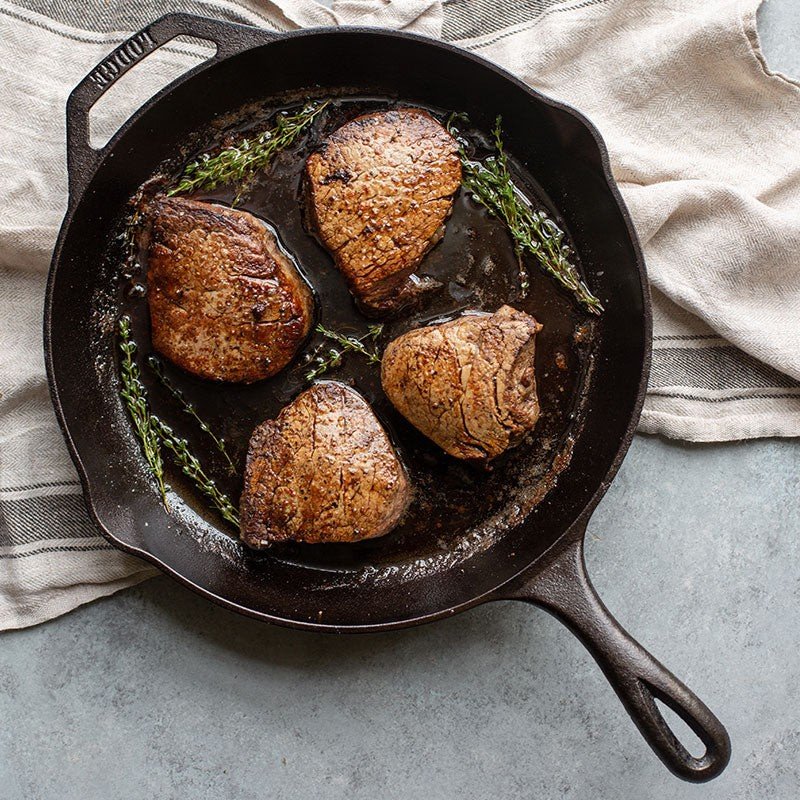
Photo credit: Lodge Cast Iron
Skillets shine whenever you want direct, high heat and quick cooking. Low, sloped sides let moisture escape, so food browns instead of steaming. Cast iron holds heat for deep crusts, while stainless steel responds faster when you need to adjust the flame.
Best for. Reach for it when making steaks, pork chops, chicken thighs, burgers, fried eggs, pan sauces, stir fries, cornbread, and skillet cookies.
Wrong pan sign. If liquid pools around your food and nothing browns, the skillet is too crowded or too small. Cook in batches or move to a bigger pan.
Rimmed Sheet Pan
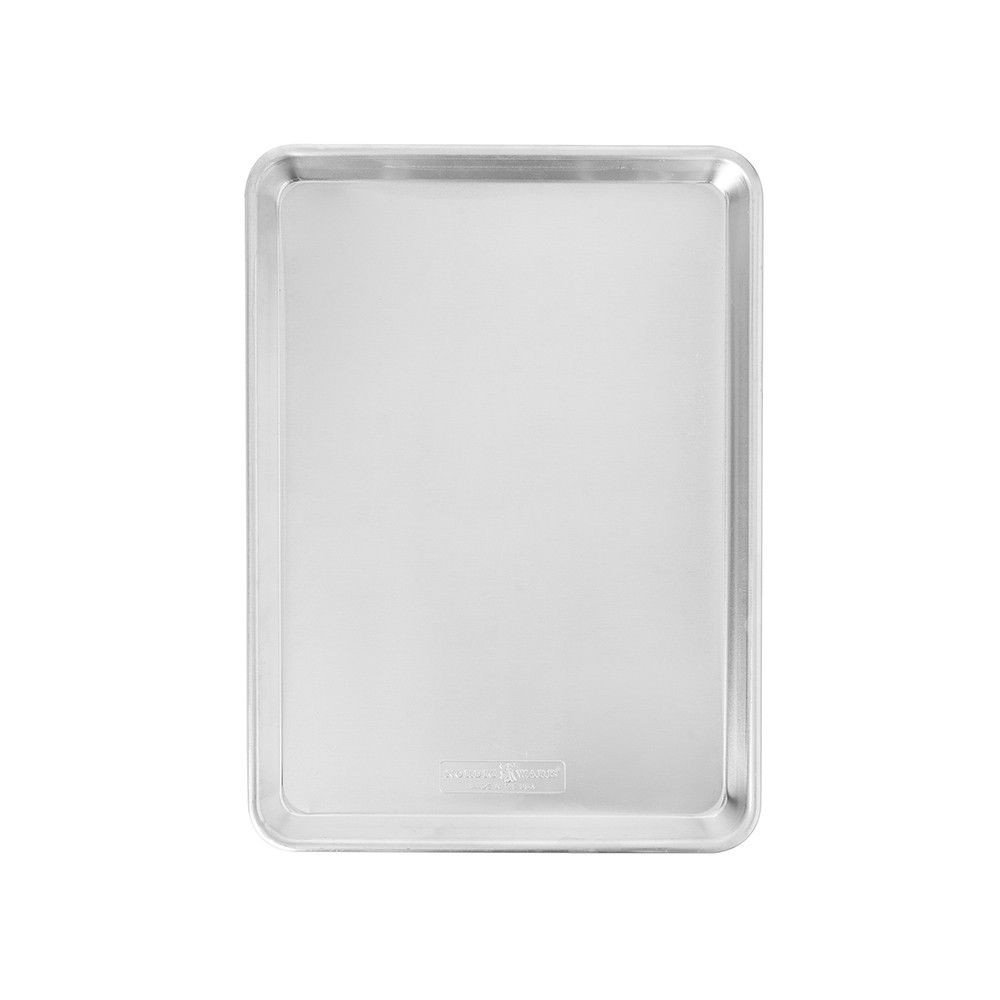
Photo credit: Nordic Ware
Sheet pans use dry oven heat that surrounds food on all sides. Their wide, flat surface spreads ingredients into a single layer for even roasting. Low rims catch juices without trapping steam.
Best for. Reach for it when making roasted vegetables, sheet pan chicken dinners, sausages and peppers, salmon with asparagus, granola, cookies, and crispy chickpeas.
Wrong pan sign. Soggy vegetables usually mean the pan was crowded. Spread food out or use two pans for crispy edges.
Dutch Oven
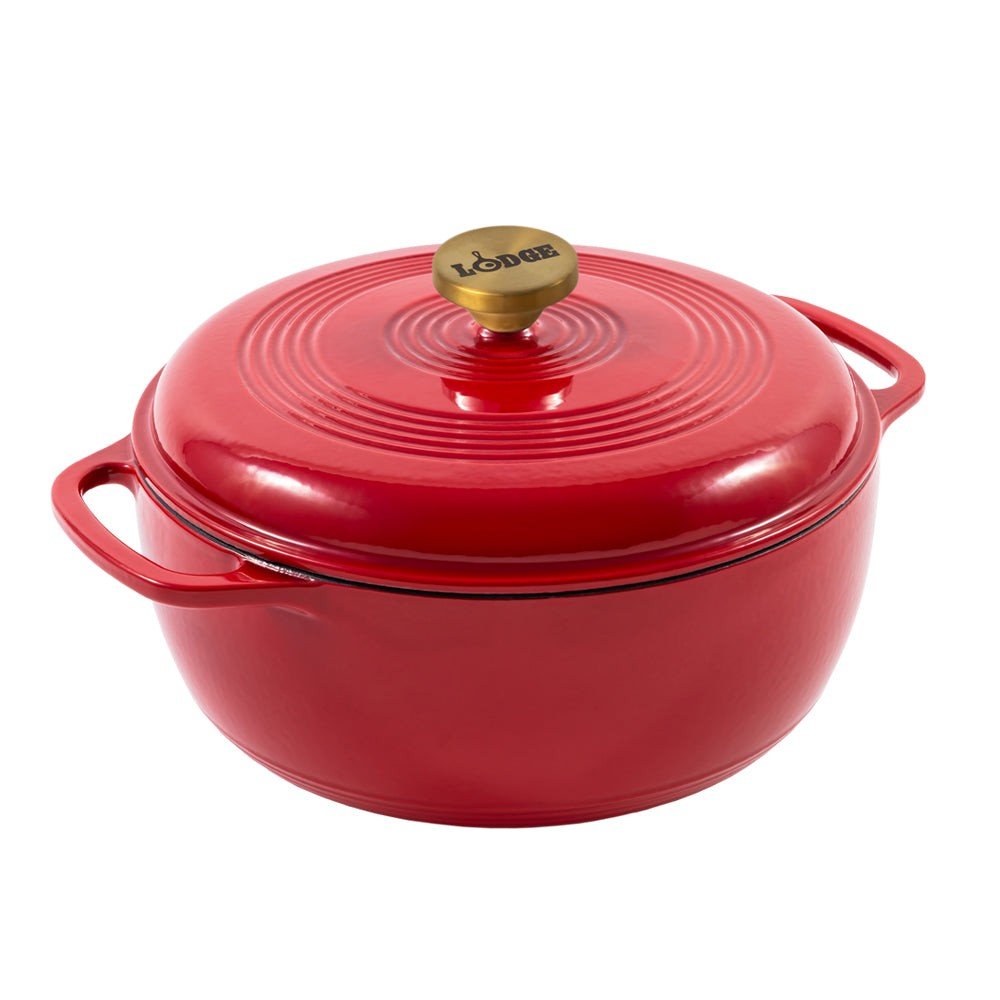
Photo credit: Lodge Cast Iron
Dutch ovens hold steady, gentle heat for long periods. Tall sides and a heavy lid trap moisture, which breaks down tough cuts and lets flavors meld. You can sear on the stove and then move the whole pot into the oven.
Best for. Reach for it when making beef stew, pot roast, chili, soups, braised short ribs, one pot pasta, rice dishes, deep frying, and crusty no knead bread.
Wrong pan sign. If you want crispy roasted vegetables, the tall sides will hold in steam. Switch to a sheet pan instead.
Quick Cheat Sheet
- Weeknight chicken thighs go in a skillet or on a sheet pan
- Roasted vegetables need a sheet pan
- Chili and soup belong in a Dutch oven
- Steak and pan sauce call for a cast iron skillet
- Salmon and green beans roast together on a sheet pan
- Sourdough or no knead bread bakes in a Dutch oven
- Fried rice and stir fries suit a large skillet
Which Pan Should You Buy First?
Start with a 12 inch skillet since it handles the widest range of everyday meals. Add a half sheet pan next for easy roasting, then a 5 to 6 quart Dutch oven when you’re ready for soups, braises, and bread. Need help shopping? See our guides to the best cast iron skillets for beginners, sheet pans that don’t warp, and Dutch ovens under $100.
Wrapping Up
Matching the pan to the meal is one of the easiest ways to cook better food without learning a single new recipe. Keep a skillet for searing, a sheet pan for roasting, and a Dutch oven for slow, cozy cooking, and you’ll be ready for almost anything. Pin this guide so it’s handy next time you open your cookware cabinet.
Which pan do you reach for most? Tell us in the comments below!