
Vegetarian eating keeps evolving, and 2026 is bringing some exciting shifts to home kitchens and restaurant menus. More people are eating plant forward meals without calling themselves vegetarian, and the focus is moving away from highly processed fake meats toward real, whole ingredients. Beans, lentils, and vegetables are taking center stage, fiber is getting just as much attention as protein, and bold flavors are making meatless meals more exciting than ever. In this roundup, we break down the biggest vegetarian food trends for 2026 based on recent industry reports and market research. You’ll learn what is driving each trend, why it matters for everyday cooks, and simple ways to try it at home. We’ve also included recipe ideas from popular food bloggers so you can put these trends on your table this week. If you love trying new flavors or just want fresh inspiration for meatless dinners, these trends are worth watching all year long.
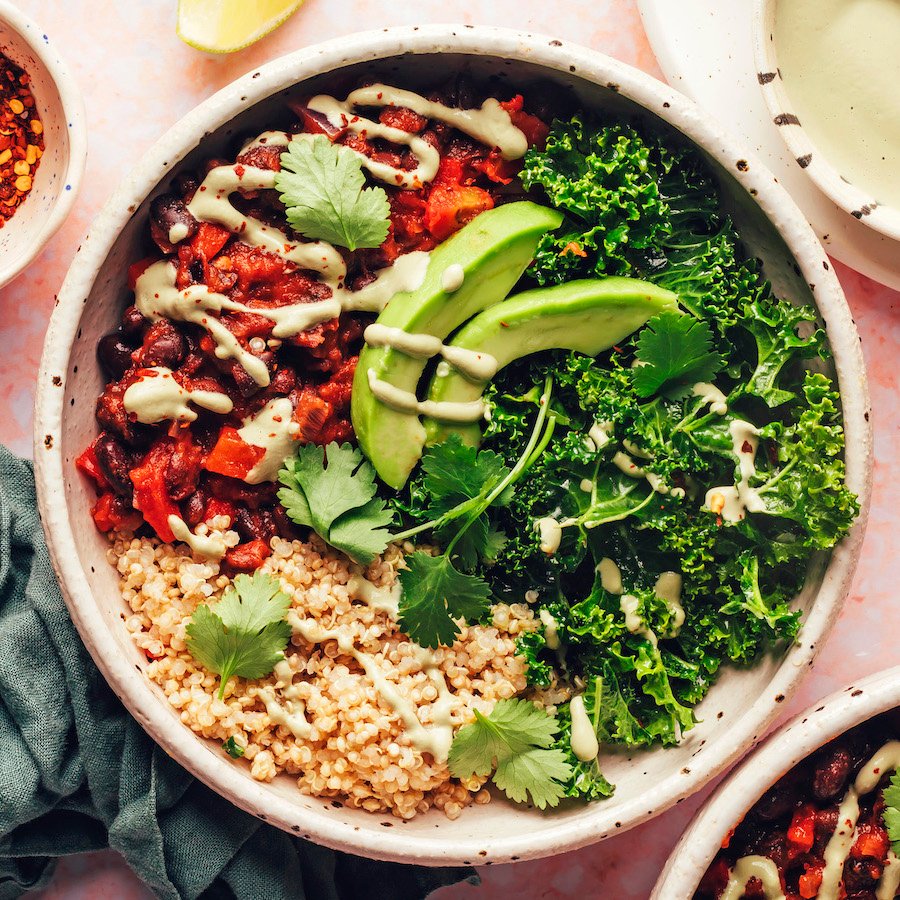
Photo credit: Minimalist Baker
1. Whole Foods Over Processed Substitutes
Shoppers are moving away from ultra processed products and choosing clean labels and simple ingredients, according to Speciality Food Magazine. That means more meals built on beans, grains, and vegetables instead of packaged meat copies.
2. Beans Get Their Moment
Beans and legumes are cheap, filling, and packed with protein and fiber, so it is no surprise they keep gaining ground. Just Food explored the idea of a 2026 boom in plant based proteins. Minimalist Baker turns black beans and quinoa into a smoky chili bowl that shows how satisfying beans can be.
3. Fiber Is the New Protein
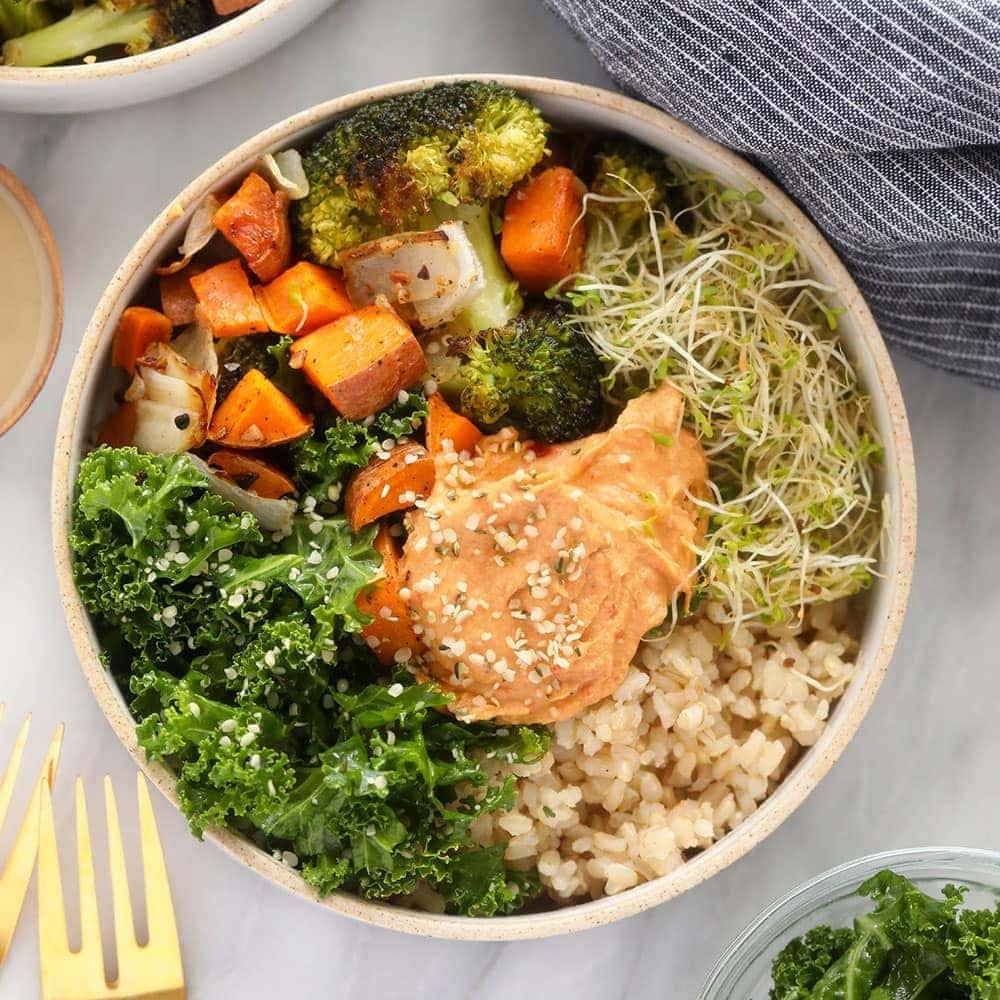
Photo credit: Fit Foodie Finds
Fiber is getting more attention as people look for meals that keep them full. Vegetariërsbond, a Dutch vegetarian group, named fiber one of its key vegetarian trends for 2026, as reported by Vakblad Voedingsindustrie. Whole grain bowls like this vegetarian brown rice bowl from Fit Foodie Finds are an easy way to get more.
4. Flexitarian and Plant Forward Menus
Restaurants are building inclusive menus for flexitarian diners who eat less meat but don’t avoid it completely, according to Startups. At home, that might mean meatless weeknights and plant heavy plates with small amounts of meat on the side.
5. Blended Meals With Plants and Meat
Combining plants and meat in the same dish is growing as a category of its own, according to Tastewise. Think tacos made with half lentils and half beef, or burgers stretched with mushrooms.
6. Fermented Foods
Fermentation is playing a bigger role in plant based eating, according to grocery data reported by Vol.at. Tempeh, miso, kimchi, and sauerkraut add tangy flavor and gut friendly benefits to vegetarian meals.
7. Comfort Food Reimagined

Photo credit: Ambitious Kitchen
Cozy classics are getting meatless makeovers, from lasagna to curry. Food service trend reports from Avendra point to reimagined comfort food and bold sweet and spicy flavors. Ambitious Kitchen makes a slow cooker tofu tikka masala that hits every cozy note.
Wrapping Up
Vegetarian food in 2026 is all about real ingredients, bold flavor, and flexibility. Try adding more beans and fiber to your plate, experiment with fermented foods, and give your favorite comfort meals a meatless twist. For more ideas, browse our easy vegetarian dinner ideas.
Which vegetarian trend are you most excited to try? Tell us in the comments below!