
One of the most common questions new vegetarians ask is where they will get their protein. Luckily, plenty of plant foods and dairy products are packed with it. Beans, lentils, tofu, tempeh, edamame, Greek yogurt, cottage cheese, eggs, nuts, and seeds can all help you hit your daily goals without eating meat. Knowing roughly how much protein each food provides makes meal planning so much easier. That’s why we created this simple vegetarian protein sources chart. It lists common foods, typical serving sizes, and approximate protein amounts so you can quickly build filling meals and snacks. You’ll also find tips for combining foods, easy ways to add more protein to your day, and a few high protein recipe ideas from popular food bloggers. Numbers can vary slightly by brand and cooking method, so always check your package labels. Save this chart, pin it for later, and use it whenever you plan your weekly meals.
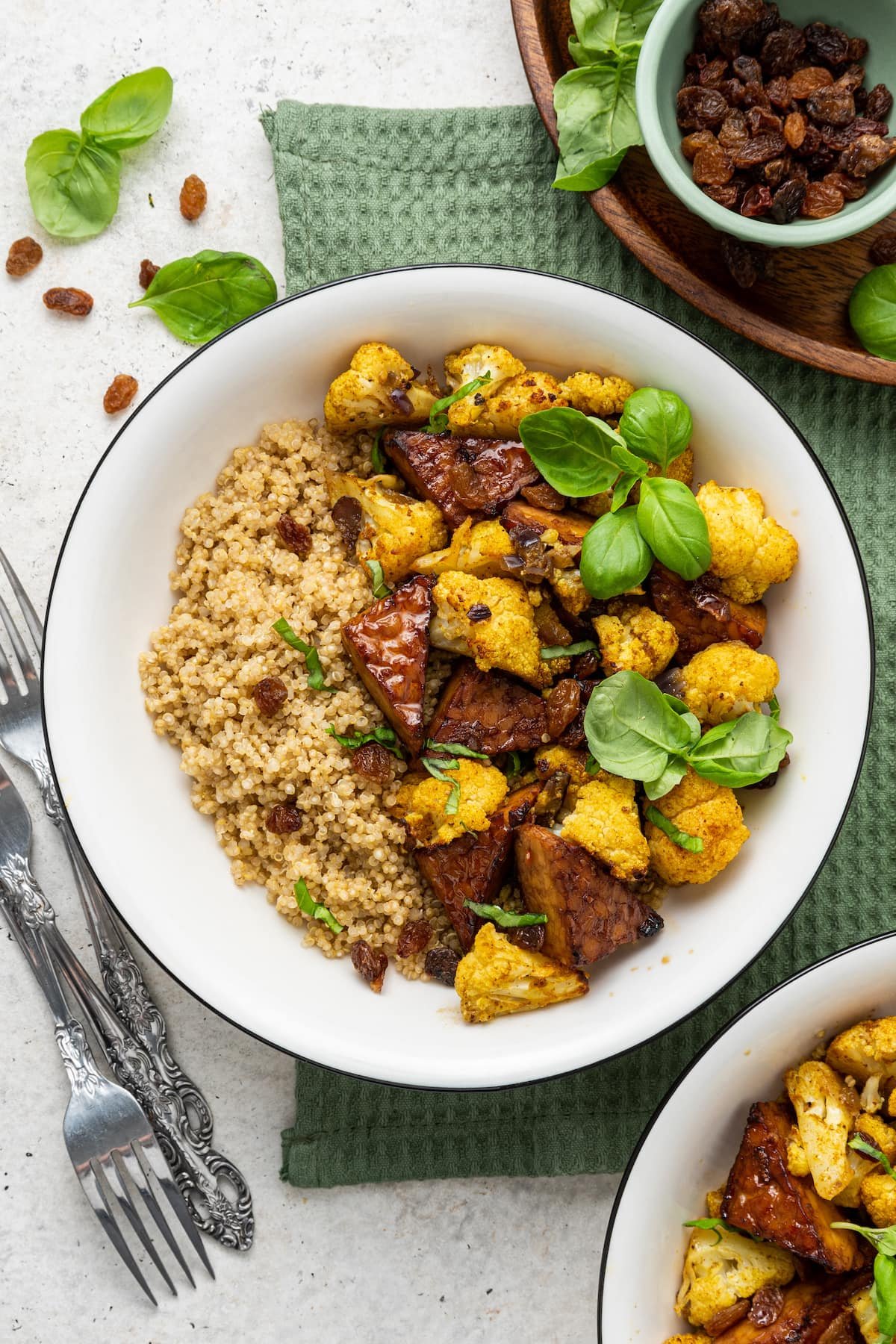
Photo credit: Eating Bird Food
Vegetarian Protein Sources Chart
| Food | Serving | Protein (approx.) |
|---|---|---|
| Cottage cheese | 1 cup | 25 to 28 g |
| Tempeh | 3 oz | 16 to 18 g |
| Lentils, cooked | 1 cup | 18 g |
| Edamame, shelled | 1 cup | 17 to 18 g |
| Greek yogurt | 6 oz | 15 to 17 g |
| Chickpeas, cooked | 1 cup | 14 to 15 g |
| Black beans, cooked | 1 cup | 15 g |
| Extra firm tofu | 3 oz | 8 to 10 g |
| Quinoa, cooked | 1 cup | 8 g |
| Peanut butter | 2 tbsp | 7 to 8 g |
| Egg | 1 large | 6 g |
| Hemp seeds | 3 tbsp | 9 to 10 g |
Values are approximate and can vary by brand. Check nutrition labels for exact amounts.
Top Picks for Big Protein
Cottage cheese, tempeh, lentils, and edamame give you the most protein per serving. Eating Bird Food pairs tempeh with curried cauliflower for a bowl with about 28 grams of protein.
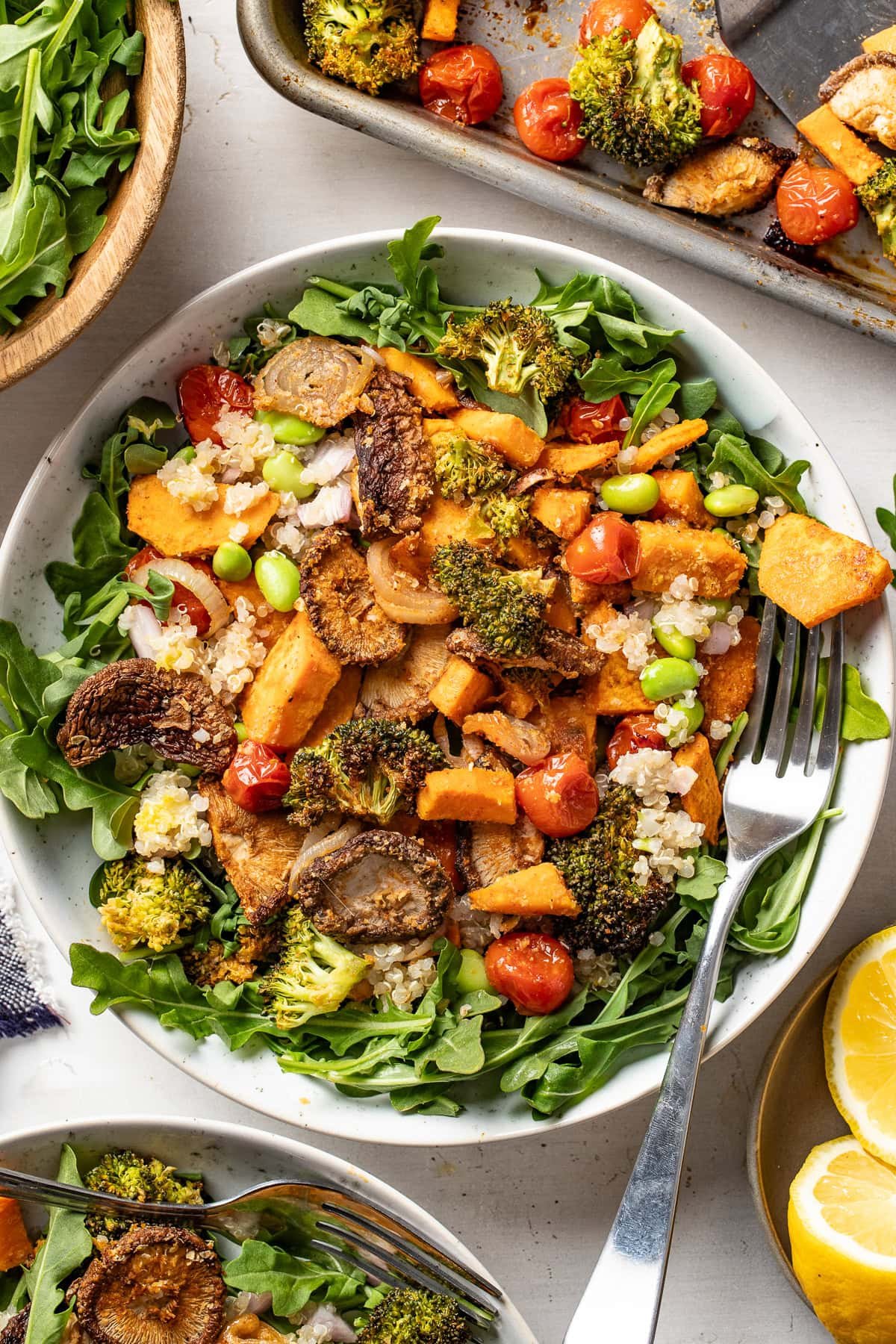
Photo credit: Skinnytaste
Combine Foods for More Protein
Pairing grains with beans or adding seeds to salads easily boosts your total. Skinnytaste builds a vegan quinoa bowl with roasted vegetables that delivers about 25 grams per serving.
Easy Ways to Add Protein
- Stir Greek yogurt into smoothies and overnight oats
- Top salads with chickpeas, edamame, or hemp seeds
- Swap regular pasta for lentil or chickpea pasta
- Snack on roasted edamame or cottage cheese with fruit
- Add an egg or tofu scramble to breakfast
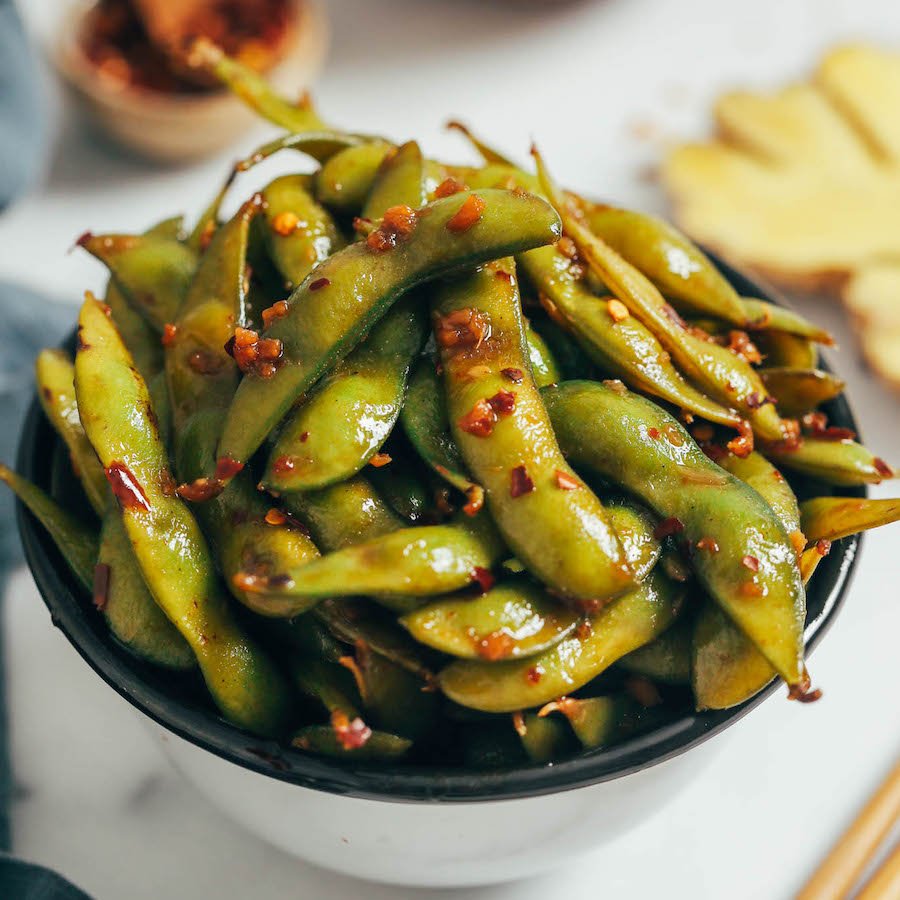
Photo credit: Minimalist Baker
Need a quick snack? Minimalist Baker tosses edamame in a spicy garlic sauce for a protein packed appetizer.
Wrapping Up
Getting enough protein as a vegetarian is simple when you know which foods to reach for. Use this chart to plan balanced meals with beans, lentils, soy, dairy, and seeds. For recipe ideas, try our high protein vegetarian meals.
What is your go to vegetarian protein? Tell us in the comments below!