
Flour makes up most of every sourdough loaf, so the bag you pick has a big impact on rise, texture, and flavor. Protein content decides how much gluten your dough can build, which affects how well it traps gas and holds its shape. Whole grains add nutrients that help a starter thrive, while white bread flour gives you that tall, open crumb everyone loves. Standing in the baking aisle can feel confusing with so many brands, percentages, and labels to choose from. This guide compares the best flour for sourdough bread across popular brands you can actually find, with independent reviews from bakers who tested them. You will learn which bread flours work best for beginners, which ones handle wetter doughs, and which whole grain flours give your starter a boost. Start with one reliable bread flour from your local grocery store, then experiment with blends once your routine feels comfortable.
1. King Arthur Unbleached Bread Flour
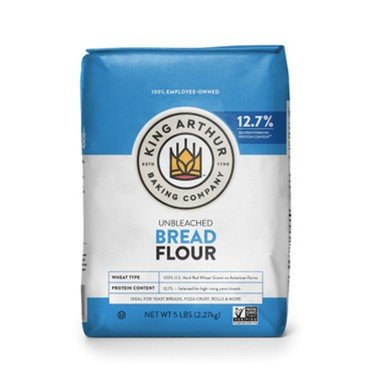
Photo credit: King Arthur Baking
At 12.7 percent protein, this flour builds strong gluten for tall loaves with a chewy, open crumb. Its protein level stays consistent from bag to bag, so your results stay predictable while you learn.
Most bakers treat it as the benchmark for a first sourdough loaf at around 72 percent hydration.
Read the full review at Northwest Sourdough review of the King Arthur Unbleached Bread Flour.
2. Gold Medal Bread Flour

Photo credit: Gold Medal
Found in nearly every grocery store, this budget friendly bread flour sits around 12.5 percent protein. Dough feels smooth and easy to handle, which helps beginners shaping their first loaves.
Big bags keep the cost per loaf low if you bake every week.
Read the full review at Chowhound review of the Gold Medal Bread Flour.
3. Bob’s Red Mill Artisan Bread Flour
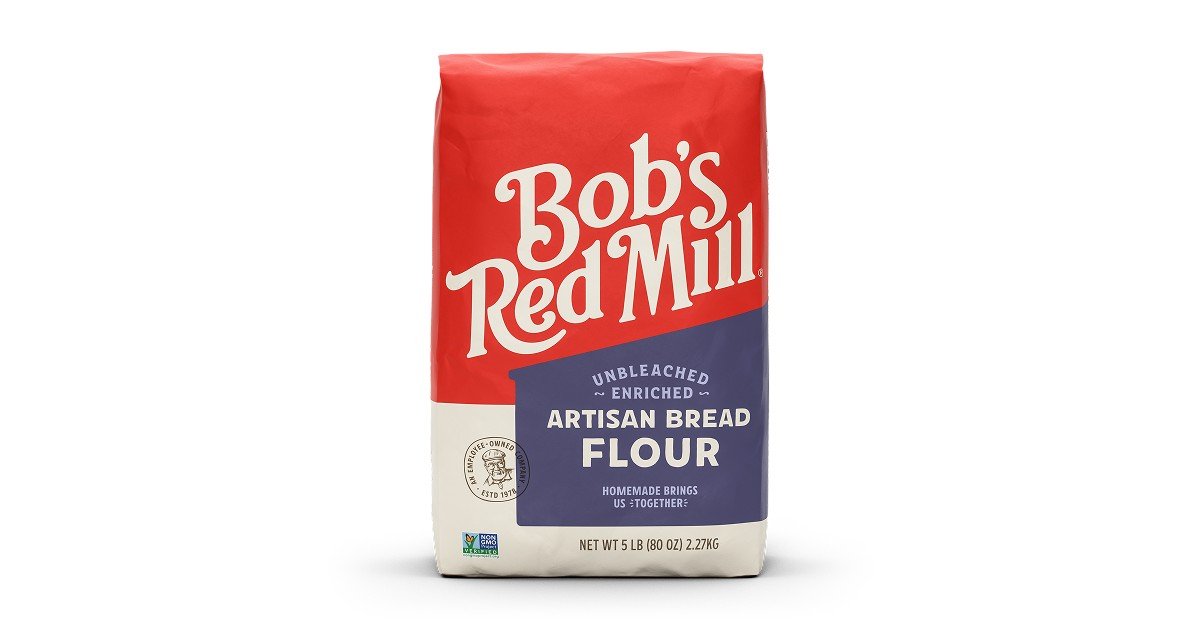
Photo credit: Bob’s Red Mill
Slightly stronger than many bread flours, this blend handles wetter, higher hydration doughs well. Expect an open structure with good oven spring once you dial in your timing.
Some testers noticed a paler crust, so bake a few minutes longer for deeper color.
Read the full review at Northwest Sourdough review of the Bob’s Red Mill Artisan Bread Flour.
4. King Arthur 100% Whole Wheat Flour
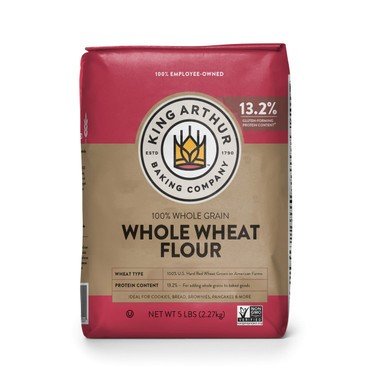
Photo credit: King Arthur Baking
Whole wheat flour feeds a starter with extra nutrients, which speeds up activity during the first week. Swapping 10 to 20 percent of your bread flour for whole wheat also adds nutty flavor and color.
Use more water when you add whole grains since bran absorbs extra liquid.
Read the full review at Make It Dough review of the King Arthur 100% Whole Wheat Flour.
5. Bob’s Red Mill Organic Dark Rye Flour
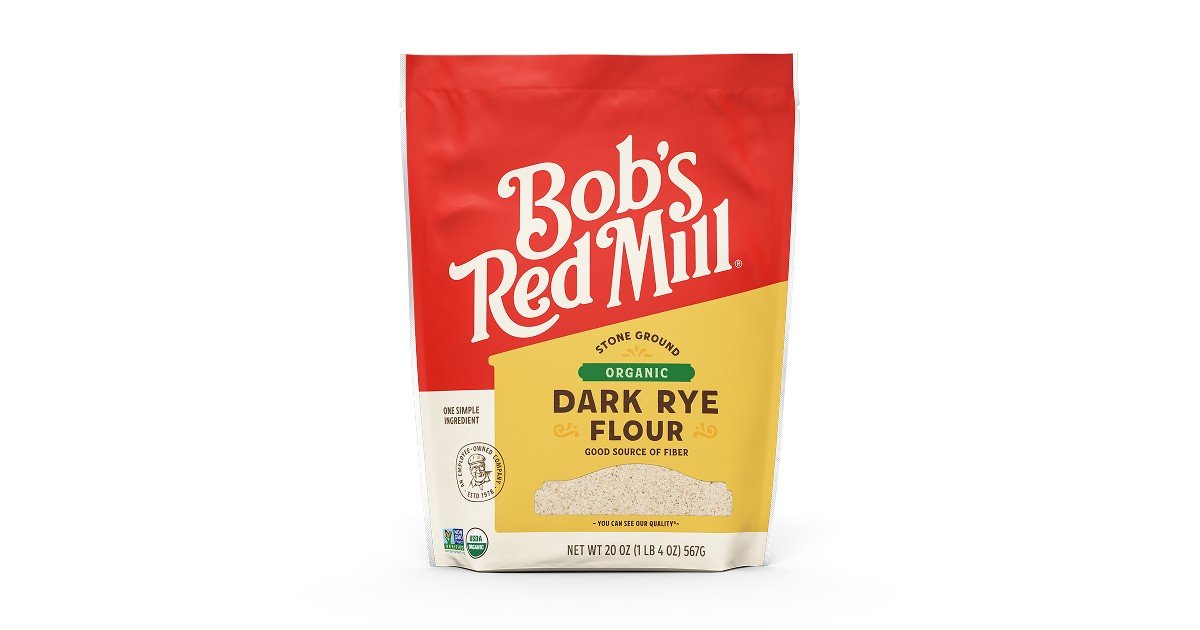
Photo credit: Bob’s Red Mill
Rye is a favorite for jump starting a sluggish starter thanks to its natural enzymes and wild yeast. Just a spoonful in each feeding can wake up a tired culture.
Add a little to bread dough for deeper, earthy tang.
Read the full review at Crock and Loaf review of the Bob’s Red Mill Organic Dark Rye Flour.
Quick Tips for Choosing Flour
- Look for 12 to 14 percent protein for crusty bread
- Choose unbleached flour for better flavor and fermentation
- Feed your starter with a little whole wheat or rye
- Store whole grain flour in the fridge or freezer
- Change one flour at a time so you can compare results
Wrapping Up
Great sourdough starts with good flour, but you do not need fancy brands to bake an amazing loaf. Pick a dependable bread flour, add a touch of whole grain for flavor, and keep notes as you bake. Ready to put it to work? Try our easy sourdough bread recipe and pin this guide for your next grocery run.
Which flour gives you your favorite loaf? Share your pick in the comments below!