
Sheet pan dinners promise golden, crispy vegetables and juicy chicken with almost no cleanup. Yet many home cooks pull out a pan of pale, soft, watery food instead. That disappointing result almost always comes from steam. When moisture can’t escape fast enough, your food sits in its own vapor and boils rather than browns. Fortunately, the fixes are simple, quick, and cost absolutely nothing at all. Small changes in spacing, heat, oil, and timing transform limp vegetables into caramelized, crunchy bites. This guide walks through the seven most common sheet pan mistakes that steam your food, explains why each one happens, and shows you exactly how to fix it. You’ll also find a quick checklist to run through before every sheet pan meal. Master these habits once and every roasted dinner from here on will taste like it came from a restaurant kitchen. Grab your favorite pan and let’s get roasting.
Crowding the Pan
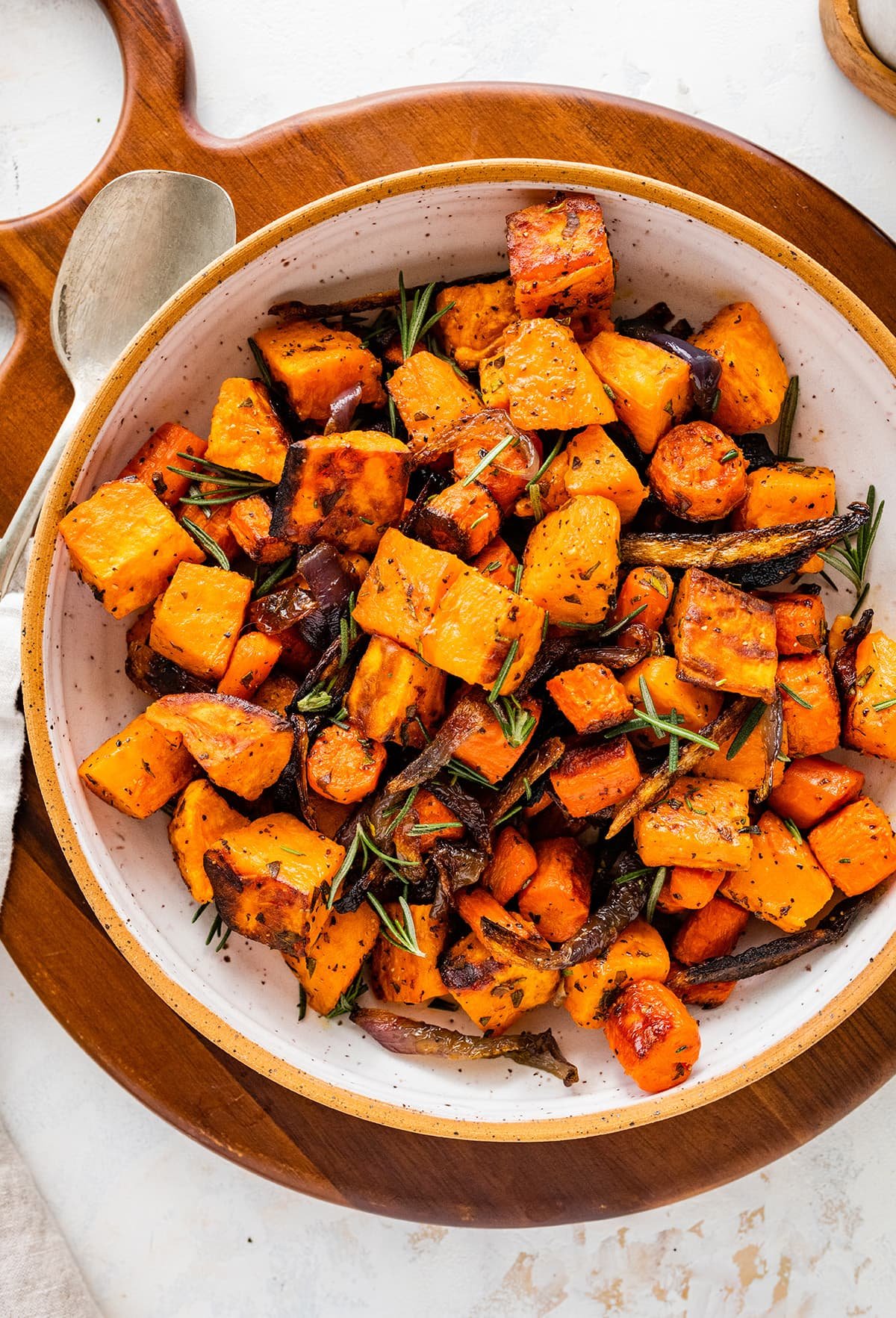
Photo credit: Eating Bird Food
Piling food into a tight heap traps moisture between every piece. Leave a little space around each chunk so hot air can circulate. If your ingredients don’t fit in a single layer, split them between two pans.
Try these well spaced roasted root vegetables for a great example.
Roasting at Too Low a Temperature
Ovens set at 350 degrees cook food gently, which favors steaming over browning. Most vegetables and proteins roast best between 400 and 450 degrees. Higher heat drives off moisture quickly so the surface can caramelize.
Skipping the Preheat
Placing food on a cold pan slows browning from the very start. Slide your empty sheet pan into the oven while it preheats. Food sizzles on contact and starts crisping right away.
Leaving Vegetables Wet
Water clinging to freshly washed produce turns into steam the moment it heats up. Pat everything dry with a towel or use a salad spinner. Dry surfaces brown faster and hold seasoning better.
Cutting Pieces Unevenly
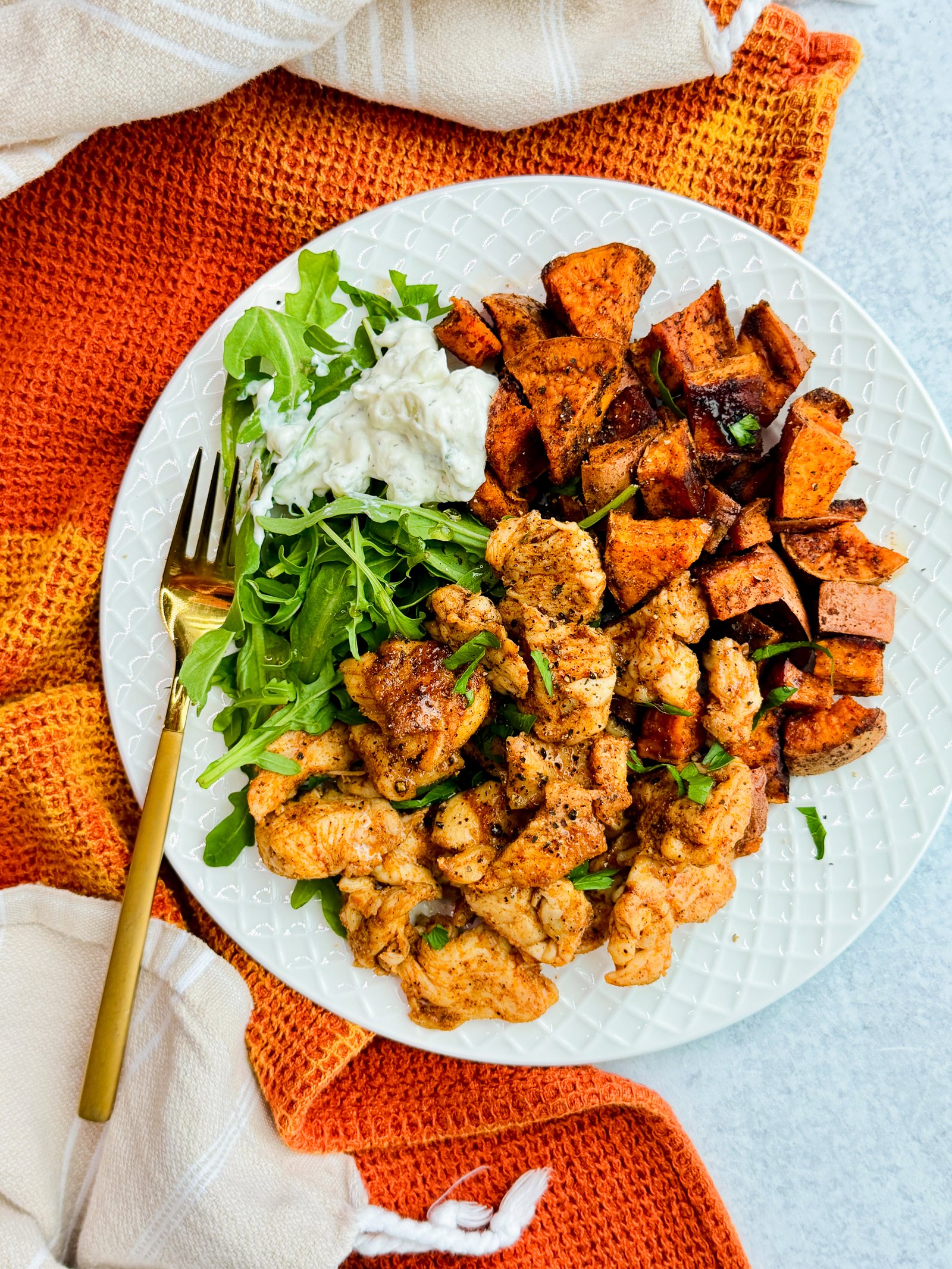
Photo credit: Lauren Fit Foodie
Mixing tiny bits with big chunks means some pieces burn while others stay soft and soggy. Cut ingredients to a similar size so they finish together. Put dense vegetables like potatoes in first and add quick cooking ones later.
See how evenly cut pieces roast in this sheet pan Moroccan chicken and sweet potatoes.
Using Too Little or Too Much Oil
Without enough oil, food dries out and sticks instead of browning. Too much oil pools on the pan and fries food unevenly. Aim for a thin coating where every piece looks lightly glossy.
Covering the Pan or Lining It Wrong
Foil tents and lids hold in steam, which defeats the purpose of roasting. Parchment works fine, but silicone mats can slow browning on the bottom. For the crispiest results, roast directly on a lightly oiled metal pan.
Quick Sheet Pan Checklist
- Preheat the oven to at least 400 degrees
- Heat the empty pan while the oven warms up
- Dry and evenly cut every ingredient
- Toss with a light, even coat of oil
- Spread food in a single layer with space between pieces
- Flip or stir once halfway through roasting
Wrapping Up
Crispy, caramelized sheet pan dinners come down to space, heat, and dryness. Fix these seven mistakes and you’ll never pull a soggy pan from the oven again. Ready to practice? Try our sheet pan dinners for busy nights and pin this guide for later.
Which sheet pan mistake surprised you most? Share it in the comments below!