
Sourdough recipes can feel like they are written in a secret language. Levain, autolyse, bulk, crumb, ear, hooch, and oven spring all show up in the very first recipe most beginners try, often with no explanation at all. Learning these words makes every recipe easier to follow and helps you understand what your dough is telling you. This beginner glossary of sourdough terms explains each word in plain English, grouped by the stage of baking where you will see it. You will find starter vocabulary first, then mixing and fermentation, shaping and proofing, and finally baking and the finished loaf. Real photos from home bakers show many of these terms in action, so you can match each word to what happens in your own kitchen. Bookmark this page, keep it open on your phone or tablet during baking day, and refer back whenever a recipe throws a new word your way.
Starter Terms
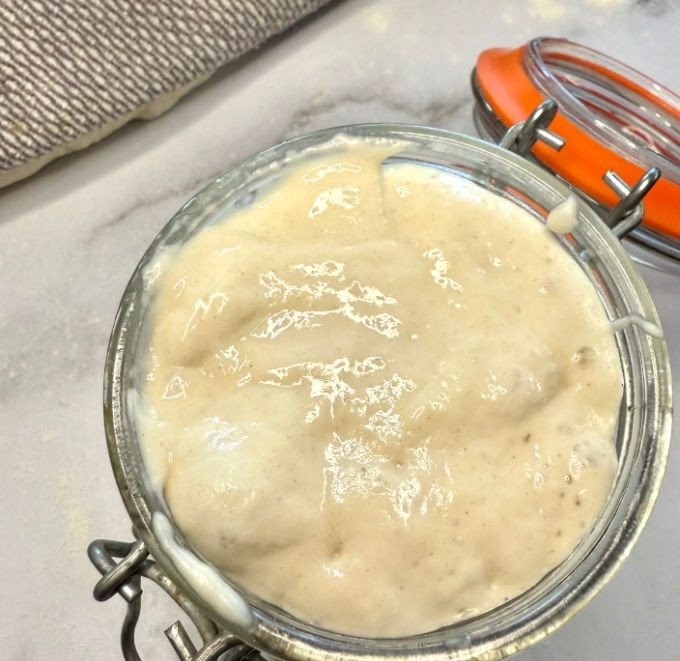
Photo credit: Living Sweet Moments
Starter is a living mix of flour and water full of wild yeast and bacteria that makes sourdough rise.
Levain means a portion of starter built specifically for one bake, usually fed the night before you mix dough.
Discard refers to extra starter removed before feeding so your jar does not overflow, and it works well in pancakes and crackers.
Feeding describes adding fresh flour and water to your starter so its yeast stays active.
Peak marks the moment your starter has risen as high as it will go, which is when it is strongest.
Hooch is a gray liquid that collects on a hungry starter, and you can stir it in or pour it off.
Float test checks readiness by dropping a spoonful of starter in water to see if it floats.
Mixing Terms
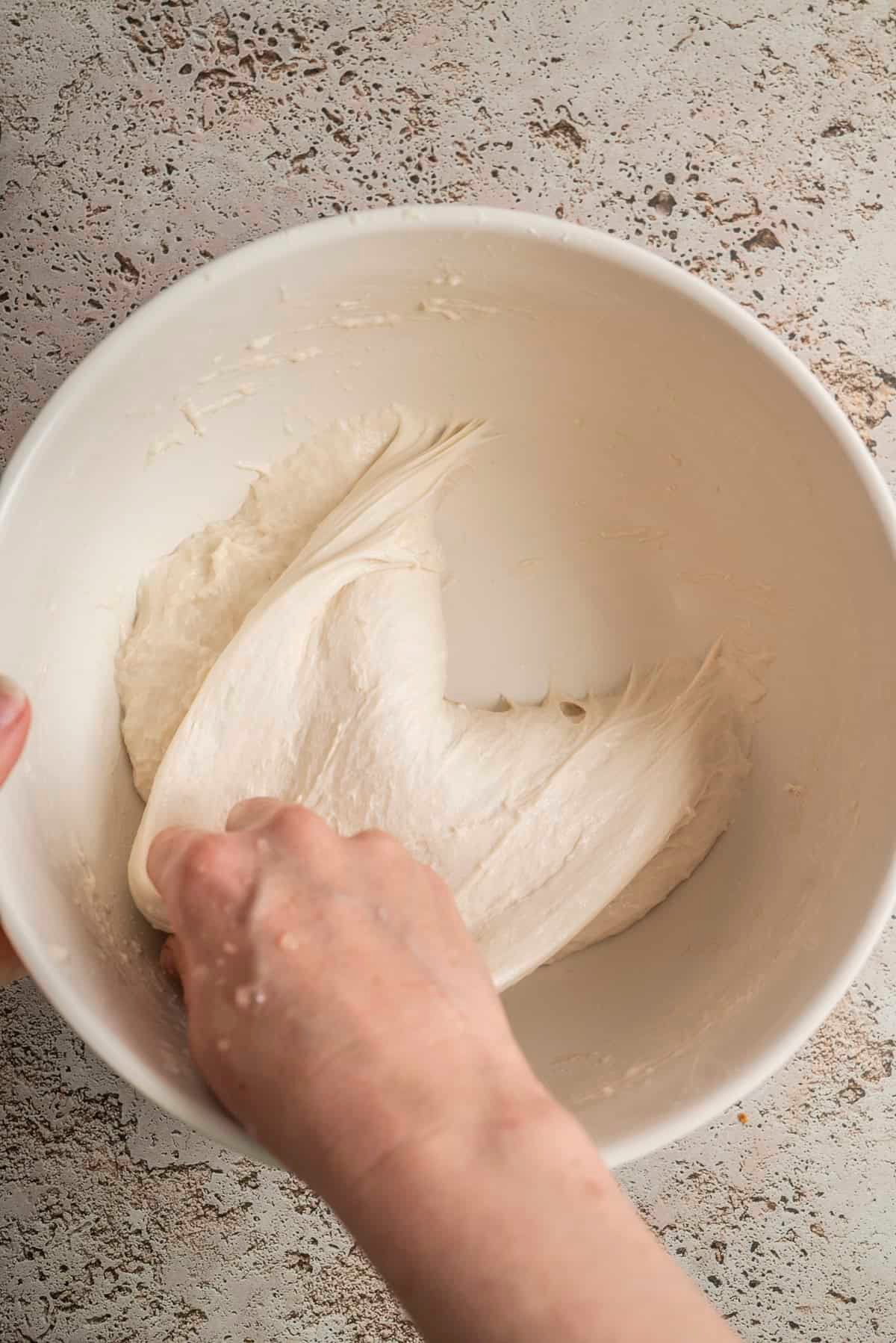
Photo credit: Homegrown Happiness
Hydration is the weight of water compared to flour, so 350 grams of water with 500 grams of flour equals 70 percent.
Baker’s percentage lists every ingredient as a percent of total flour weight, making recipes easy to scale.
Autolyse means resting flour and water before adding salt and starter so gluten starts forming on its own.
Stretch and fold builds dough strength by lifting one side of the dough and folding it over itself.
Coil fold lifts dough from the middle and lets the ends tuck underneath, a gentler way to add strength.
Fermentation Terms
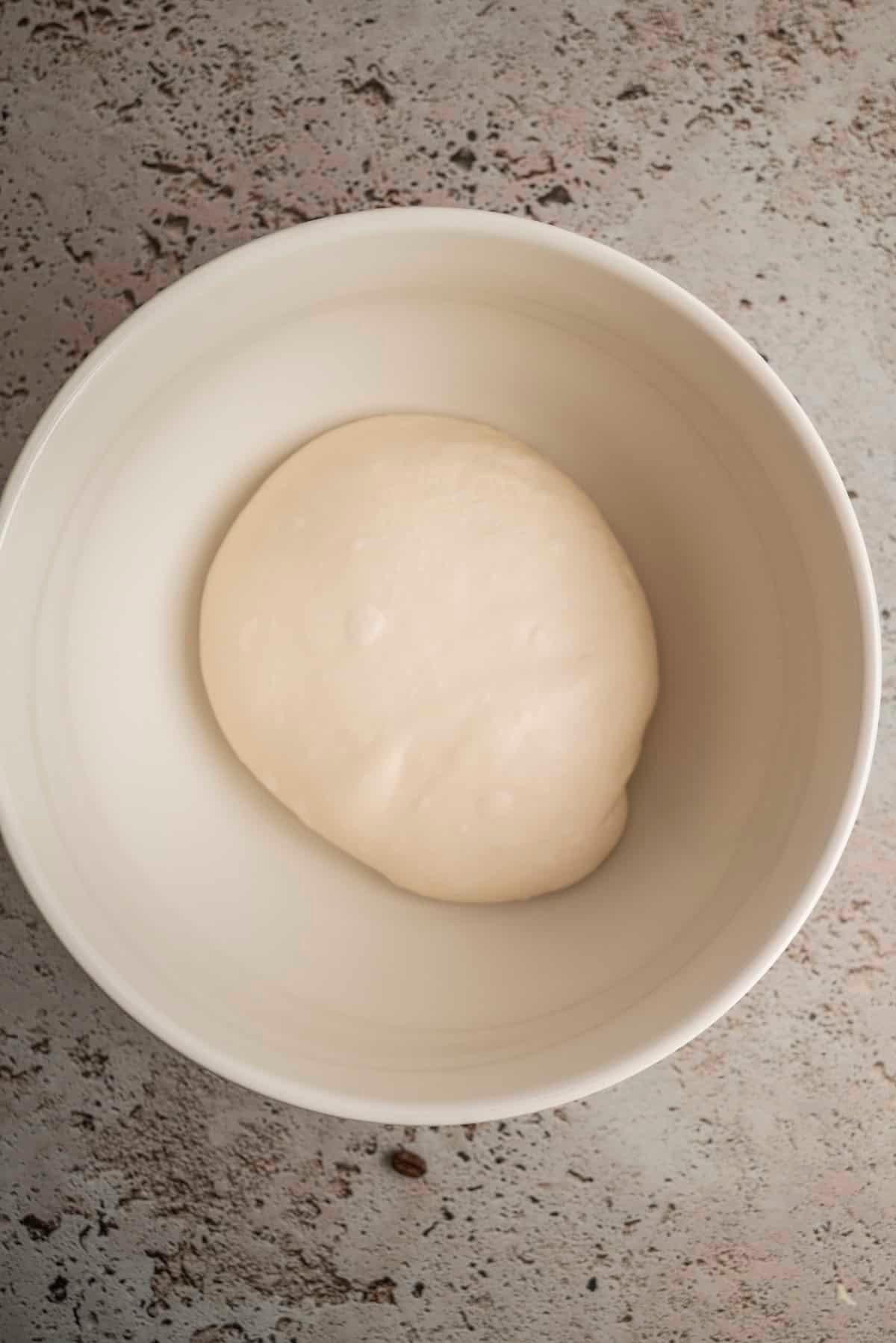
Photo credit: Homegrown Happiness
Bulk fermentation is the first long rise after mixing, when dough grows and develops flavor.
Proofing refers to the final rise after shaping.
Cold retard slows fermentation by chilling dough in the fridge, often overnight, for better flavor and easier scoring.
Overproofed dough has fermented too long and spreads flat because it lost its structure.
Underproofed dough has not risen enough and bakes up dense with tight, gummy pockets.
Shaping Terms
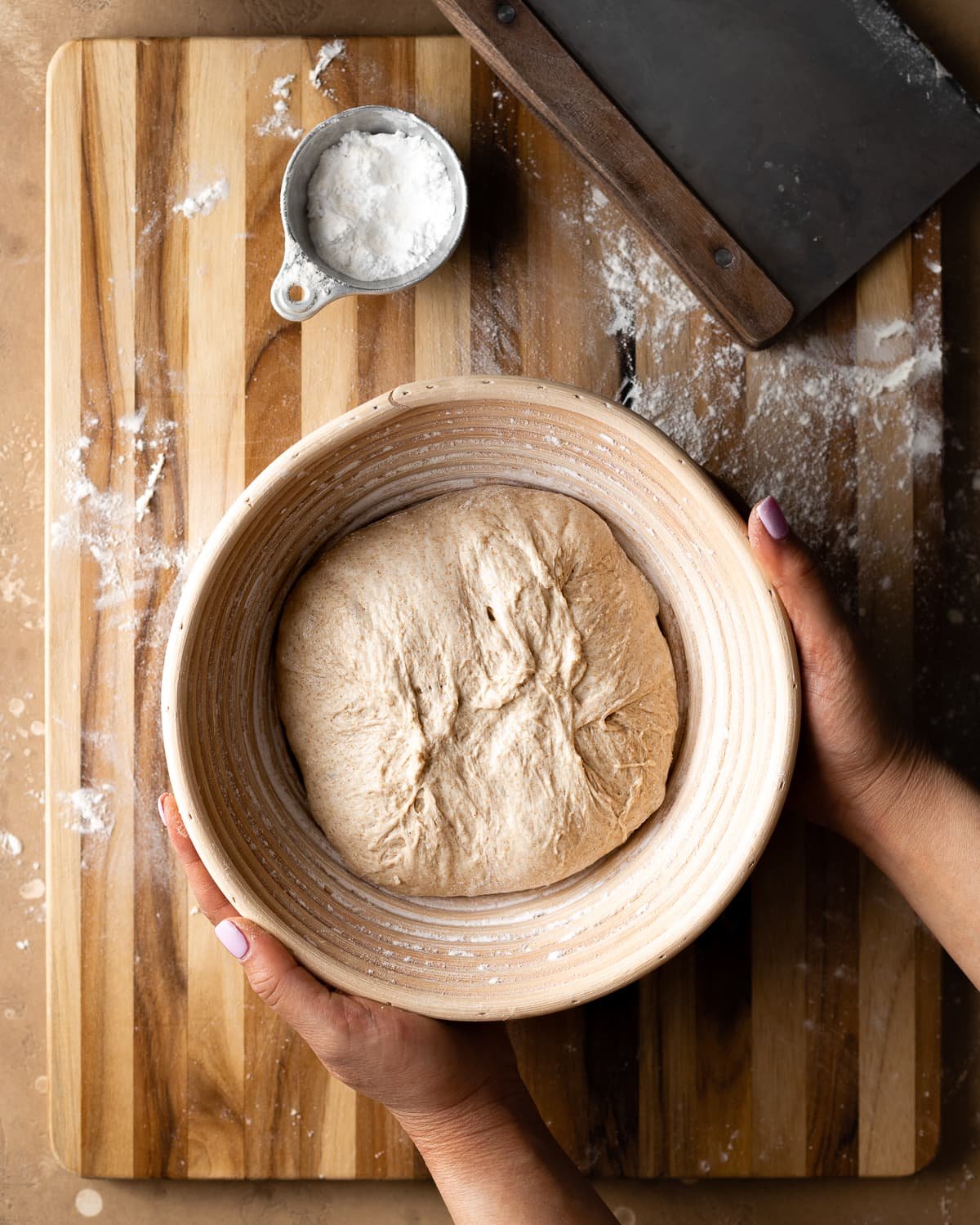
Photo credit: Make It Dough
Preshape gently rounds the dough and lets it rest before the final shape.
Bench rest is that short break between preshaping and shaping that relaxes the gluten.
Boule means a round loaf, while batard means an oval one.
Surface tension describes the tight outer skin you build while shaping to help a loaf hold its form.
Banneton is a proofing basket that supports dough during its final rise.
Scoring Terms
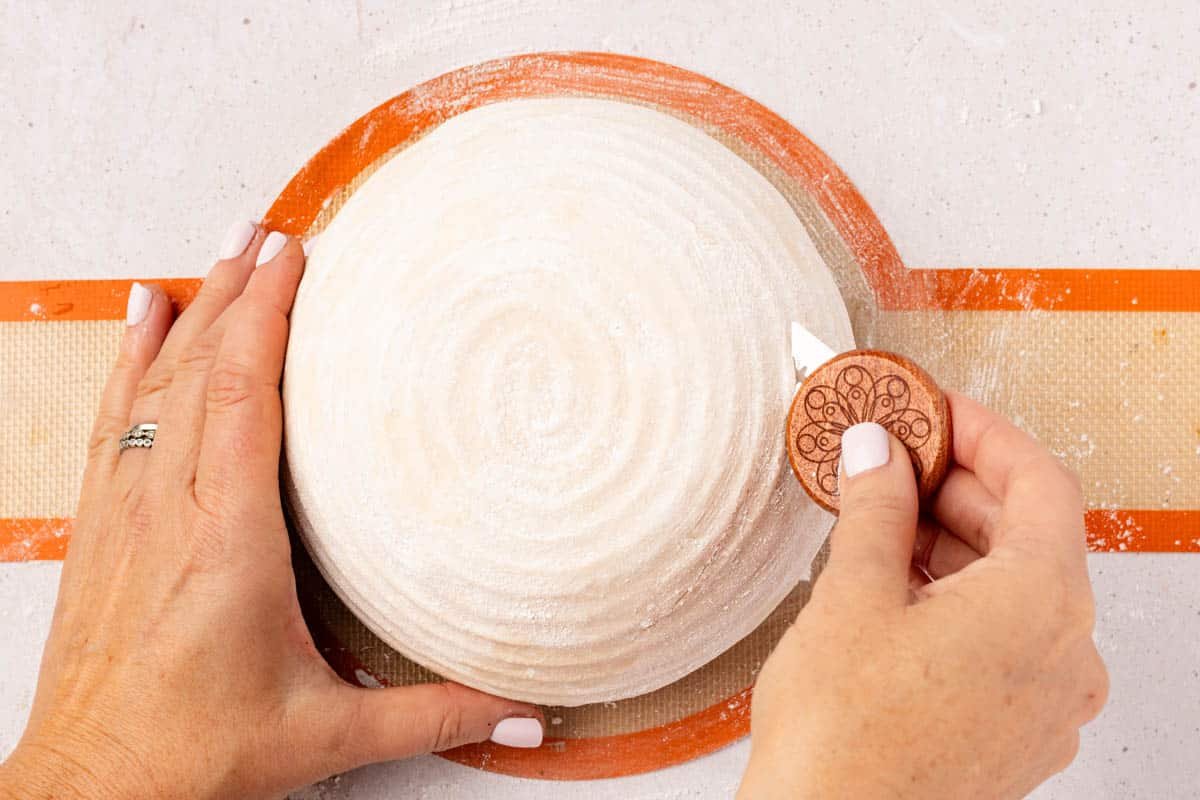
Photo credit: Nourish and Nestle
Lame is a handle that holds a razor blade for slashing dough.
Scoring means cutting the dough surface so steam escapes in a controlled spot during baking.
Expansion cut is one deep main slash, while decorative cuts are shallow designs around it.
Baking and Loaf Terms
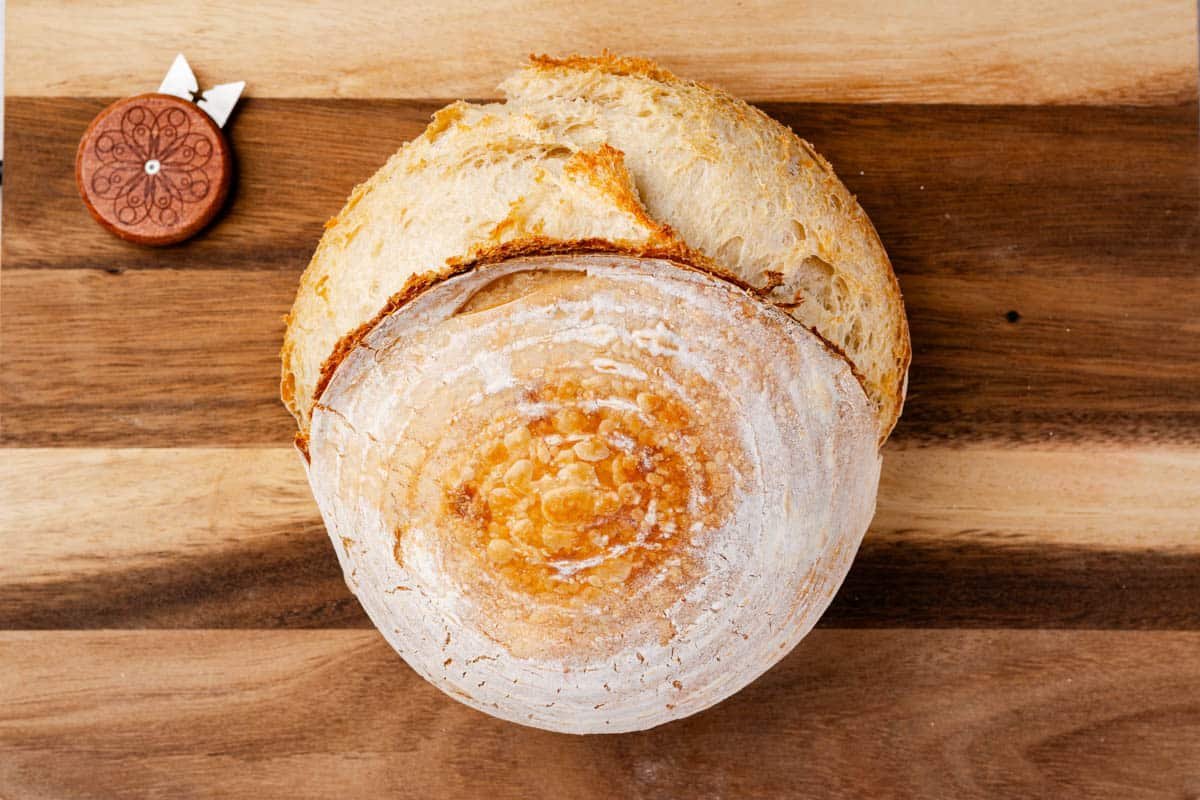
Photo credit: Nourish and Nestle
Oven spring is that dramatic rise in the first minutes of baking.
Ear describes the raised flap of crust that forms along a well angled score.
Crust is the outer shell, and deeper browning means more flavor.
Blisters are tiny bubbles on the crust that often appear after a long cold proof.
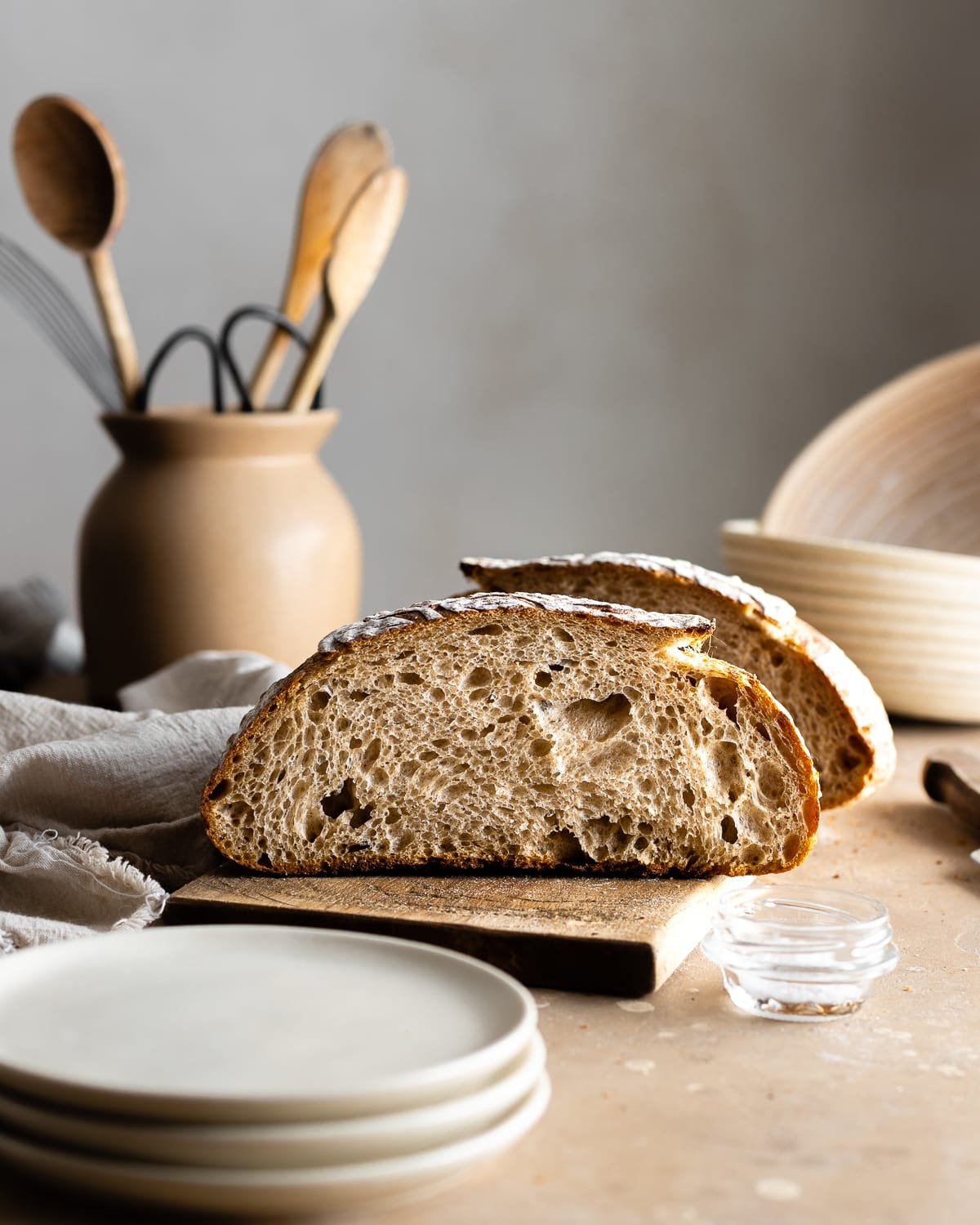
Photo credit: Make It Dough
Crumb is the inside texture of your bread, ranging from tight and even to big and airy.
Gummy crumb feels wet and sticky, usually from underbaking or cutting too soon.
Wrapping Up
Once these sourdough terms feel familiar, recipes become far less intimidating and troubleshooting gets much easier. Keep this glossary handy as you practice, and soon you will speak fluent sourdough. Ready to put your new vocabulary to work? Follow our easy sourdough bread recipe and pin this guide for later.
Which sourdough word confused you most at first? Tell us in the comments below!