
Few things are more frustrating than a veggie burger that crumbles the moment it hits the pan. If your homemade patties turn mushy, fall apart on the grill, or slide right out of the bun, you’re not alone. Most of the time, too much moisture is the culprit. Canned beans, fresh vegetables, and wet sauces add water that keeps the mixture from binding. Luckily, a few simple steps fix the problem for good. In this guide, you’ll learn how to dry your beans, squeeze moisture from your veggies, choose the right binder, and shape and cook patties that stay firm. We’ll also share egg free options for vegan burgers and tips from popular food bloggers who have tested these methods again and again. Once you master the basics, you can mix and match beans, grains, and spices to create your own signature burger. Fire up the skillet and let’s make veggie burgers that actually hold together.
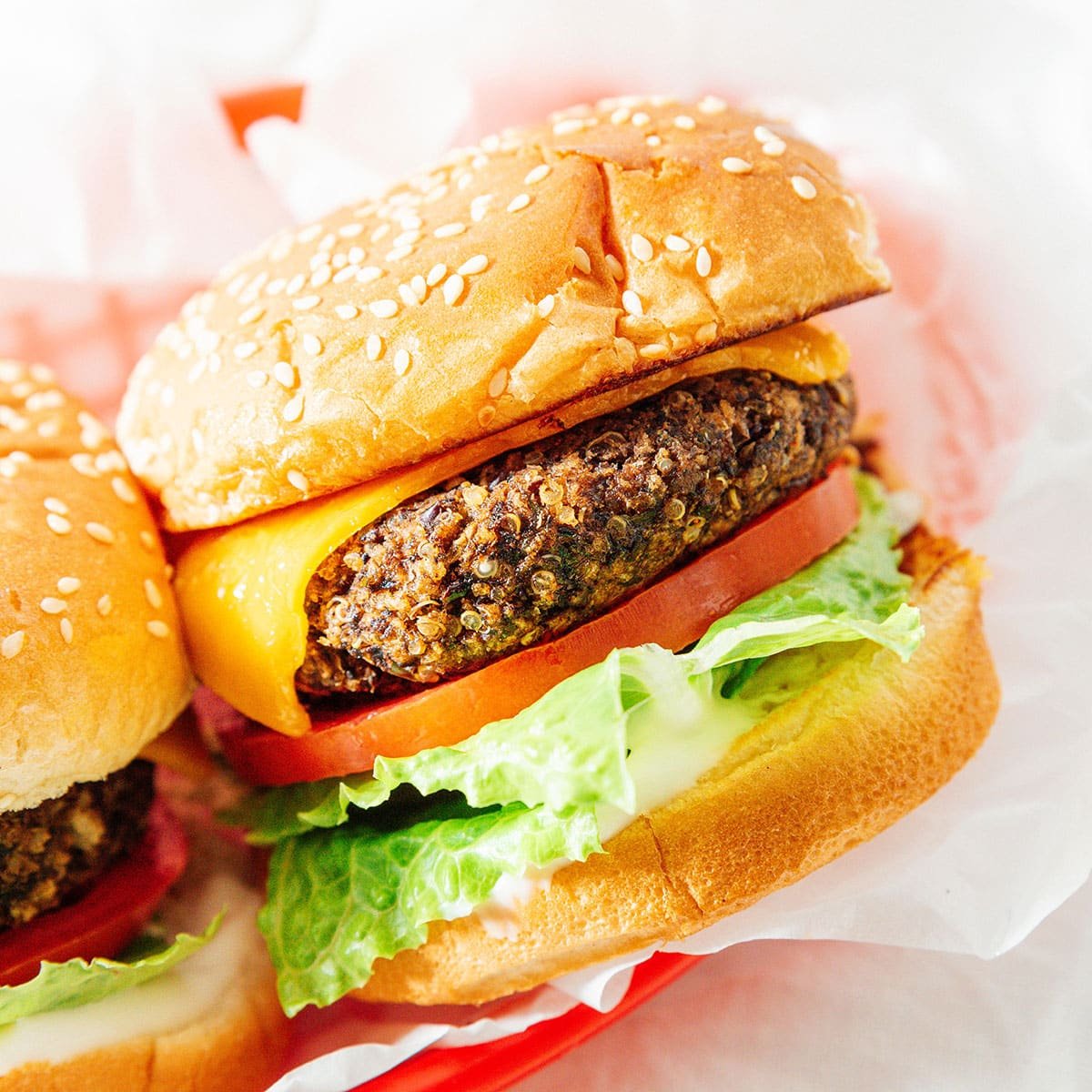
Photo credit: Live Eat Learn
Why Veggie Burgers Fall Apart
- Wet beans straight from the can
- Watery vegetables like onions, peppers, and mushrooms
- Not enough binder to hold the mixture together
- Patties that are too thin or too warm
- Flipping too soon before a crust forms
Step 1. Dry Your Beans
Drain and rinse canned beans, then spread them on paper towels to dry. For even better results, Le Creme de la Crumb bakes black beans at 325°F for 15 minutes until they dry out and split. This one step makes a huge difference in texture.
Step 2. Squeeze Moisture From the Veggies
Finely chop onion, bell pepper, and garlic in a food processor. Then press the mixture in a fine mesh strainer to remove excess liquid. Tastes Better From Scratch notes that if the mix is too wet, the burger will not hold together as well. Sautéing mushrooms and peppers first also cooks off extra water.
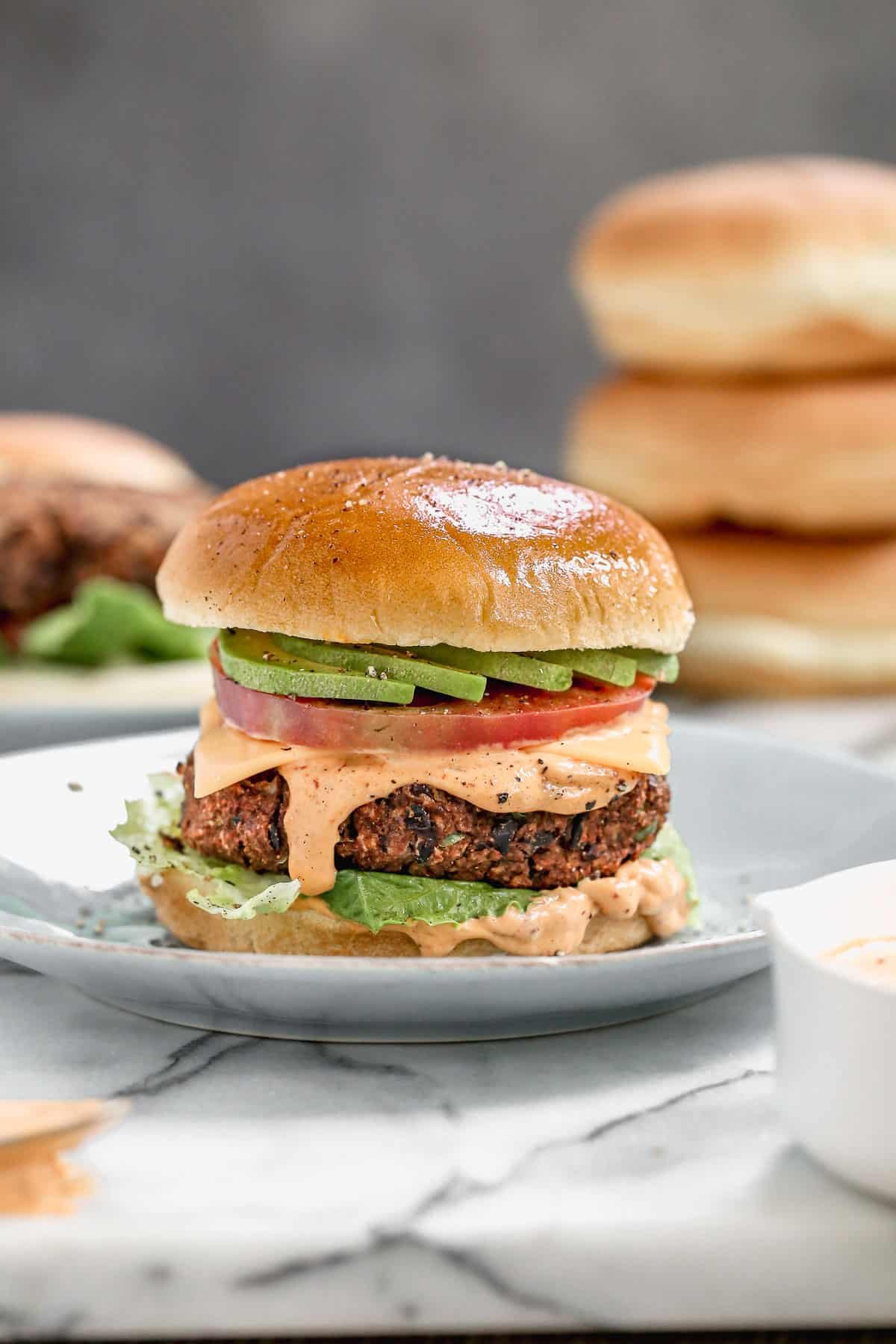
Photo credit: Tastes Better From Scratch
Step 3. Add the Right Binder
Binders soak up moisture and glue everything together. Popular choices include panko breadcrumbs, rolled oats, cooked quinoa, and eggs. Live Eat Learn combines cooked quinoa, panko, and one egg for patties that are grillable and not mushy. For vegan burgers, use a flax egg, more oats, or mashed sweet potato. Everyday Maven uses rolled oats instead of eggs.
Step 4. Mash, Don’t Puree
Mash about half the beans and leave the rest chunky. Pureeing everything until smooth makes the mixture pasty and soft. Texture from whole beans and grains gives the burger structure and a meatier bite.
Step 5. Shape and Chill
Form the mixture into patties about 3/4 inch thick. Thicker patties hold together better than thin ones. Place them on a parchment lined tray and chill for at least 30 minutes. Cold patties firm up and are much easier to cook.
Step 6. Cook Gently
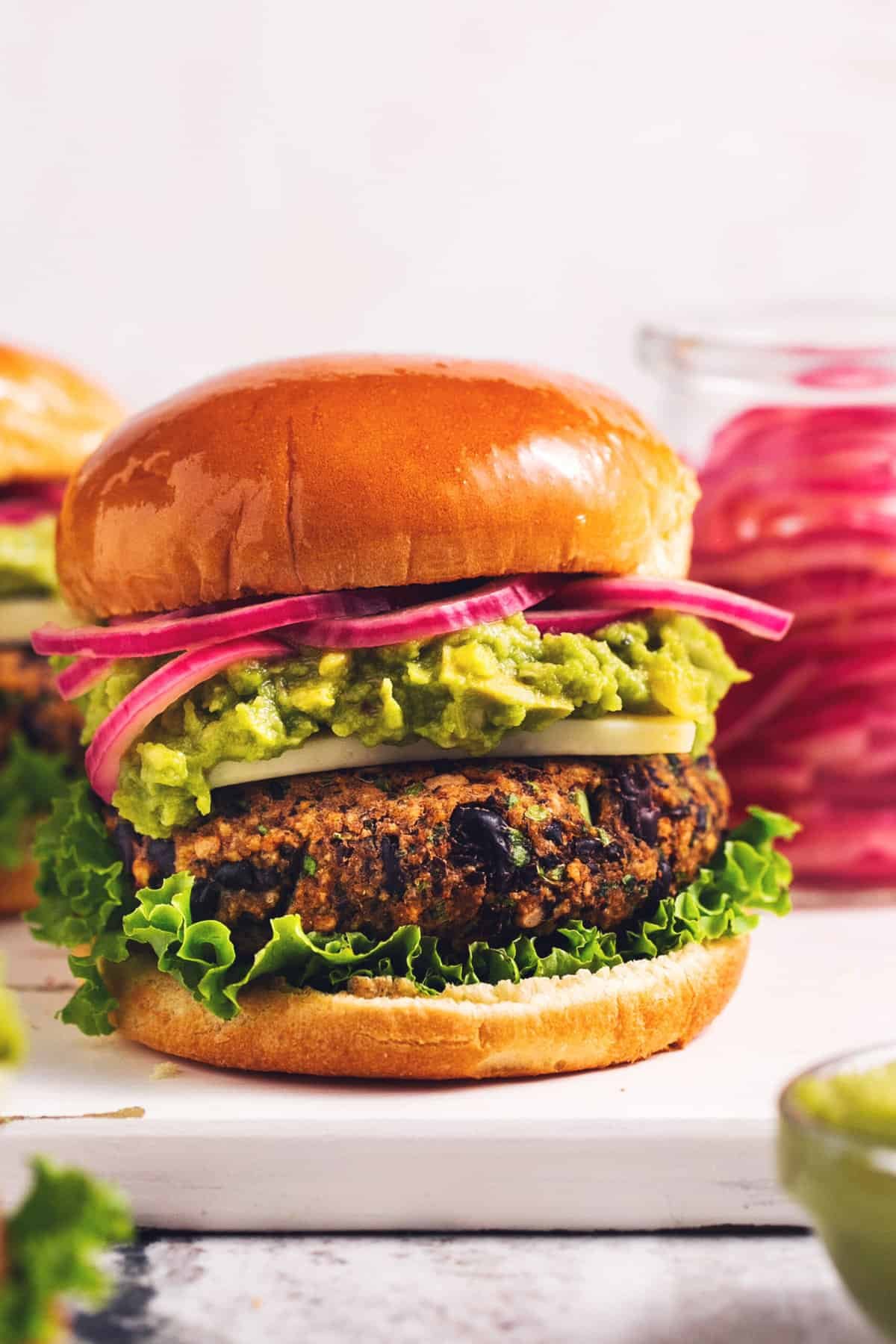
Photo credit: Le Creme de la Crumb
Heat a little oil in a skillet over medium heat. Cook the patties for 4 to 5 minutes without moving them so a crust forms, then flip once. You can also bake them at 375°F to 400°F for about 20 minutes, flipping halfway. If you want to grill, use a preheated, well oiled grill pan or a sheet of foil for the first few minutes.
Make Ahead and Freezing Tips
Shape the patties, then freeze them on a tray before transferring them to a freezer bag. Cook them straight from frozen, adding a few extra minutes per side. Homemade veggie burgers keep in the freezer for up to three months.
Wrapping Up
Great veggie burgers come down to controlling moisture, using a good binder, and chilling the patties before cooking. Once you nail those steps, your burgers will hold together on the stove, in the oven, and even on the grill. For more ideas, check out our meatless meals for meat lovers.
What is your favorite veggie burger topping? Share it in the comments below!