
Nothing ruins a morning faster than a harsh, bitter cup of coffee. If your homemade brew tastes nothing like your favorite café, you’re probably not doing anything terribly wrong. Small slipups with grind size, water temperature, timing, and cleaning can all pull too many bitter compounds from the beans. Most bitterness comes from over extraction, which means water pulled out more than it should. Good news? Every one of these mistakes is quick and cheap to fix. In this guide, we’ll walk through the seven most common reasons homemade coffee tastes bitter and exactly how to fix each one. You’ll learn the right water temperature, how fine to grind for your brewer, why fresh beans matter, and simple cleaning habits that make a big difference. Make one change at a time, taste as you go, and you’ll be brewing smoother, sweeter coffee in no time. Your taste buds will thank you.
Photo credit: JoyFoodSunshine
1. Using Water That’s Too Hot
Boiling water scorches coffee grounds and extracts harsh flavors. Most coffee experts recommend brewing between 195 and 205°F. No thermometer? Bring water to a boil, then let it rest for about 30 seconds before pouring.
2. Grinding Too Fine
Fine grounds have more surface area, so water extracts flavor faster. Use an espresso grind for a pour over or French press and you’ll end up with a muddy, bitter cup. Match your grind to your brewer, coarse for French press and cold brew, medium for drip, and fine only for espresso.
3. Brewing Too Long
Leaving grounds in contact with water too long pulls out bitter compounds. French press coffee should steep about four minutes, then get poured off right away. If your coffee tastes harsh, shorten the brew time by 30 seconds and taste again.
Photo credit: Low Carb with Jennifer
4. Using Stale or Over Roasted Beans
Coffee loses flavor quickly once it’s ground. Old, stale beans taste flat and bitter, while very dark roasts naturally carry more bitterness. Buy whole beans in small amounts, grind right before brewing, and try a medium roast if dark roasts taste too sharp.
5. Getting the Ratio Wrong
Too little coffee for the amount of water can lead to over extraction and a thin, bitter cup. Overloading the filter, on the other hand, makes coffee overly strong. Start with about 2 tablespoons of ground coffee per 6 ounces of water, then adjust to taste.
6. Skipping Regular Cleaning
Coffee oils build up inside machines, carafes, and French presses. Those old oils turn rancid and make every new cup taste bitter. Rinse your equipment after each use and descale your coffee maker every month or two.
7. Leaving Coffee on the Hot Plate
Coffee that sits on a warming plate keeps cooking and turns bitter within minutes. Transfer it to an insulated carafe instead. Want to skip heat completely? Try smooth, low acid homemade cold brew.
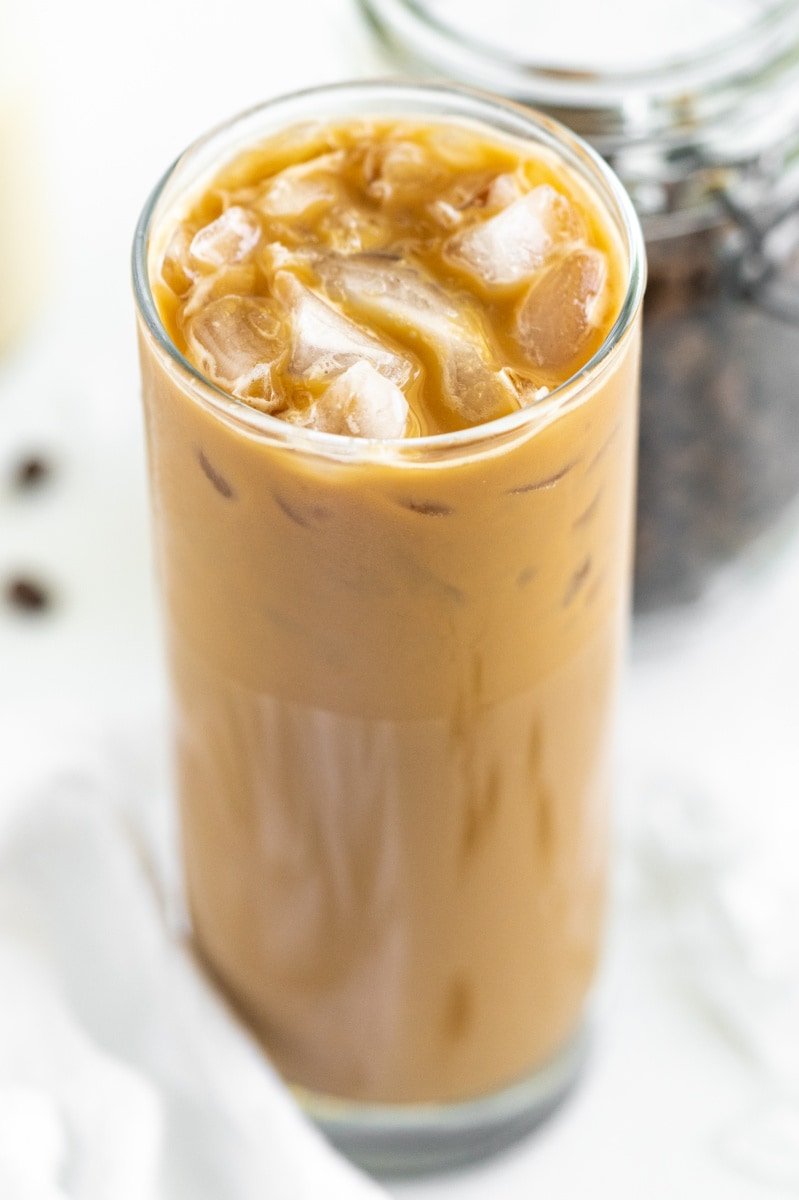
Photo credit: Recipe Girl
Bonus Tip for Smoother Coffee
Hard tap water can bring out bitter notes even when everything else is right. Filtered water often makes a noticeable difference. Adding a tiny pinch of salt to your grounds can also soften bitterness.
Wrapping Up
Bitter coffee usually comes down to heat, grind, time, freshness, or cleanliness. Fix one mistake at a time and your homemade cup will taste smoother right away. Ready to level up? Start with our guide to your first 5 barista drinks.
Which mistake were you making? Share it in the comments below!