
Walk down the baking aisle and you’ll find almond flour, coconut flour, and a handful of gluten free one to one blends, all promising great results. They’re not interchangeable, though. Each one absorbs liquid differently, adds its own flavor, and works best in certain kinds of recipes. Swap the wrong one into your favorite muffin recipe and you might end up with something gummy, dry, or flat. This comparison breaks down almond flour, coconut flour, and one to one gluten free blends side by side. You’ll learn how each flour is made, what it tastes like, how it behaves in the oven, and when to reach for it. You’ll also get simple swap guidelines so you can adapt recipes with confidence, plus one tested recipe for each flour so you can try them yourself. If you bake gluten free, low carb, or paleo, knowing these differences will save you money, wasted ingredients, and plenty of frustration in the kitchen.
Almond Flour
Almond flour is made from finely ground blanched almonds. It’s naturally gluten free, grain free, and higher in protein and healthy fats than most flours. Baked goods come out moist and tender with a mild, nutty flavor.
- Best for cookies, muffins, quick breads, and cakes
- Adds moisture and richness
- Browns faster, so watch baking times
- Not a good fit for yeast breads on its own
- Not safe for nut allergies
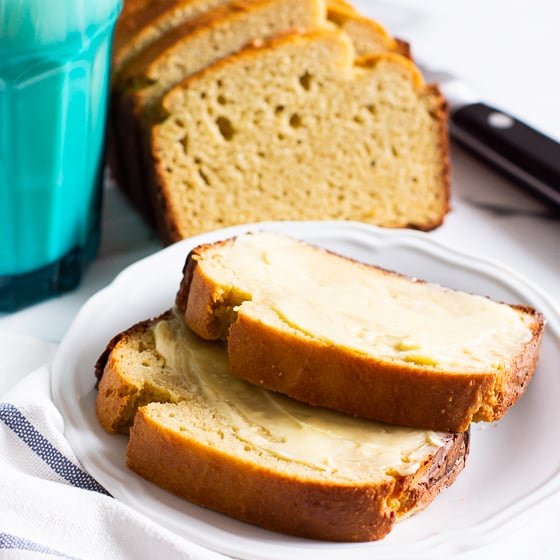
Photo credit: iFoodReal
For recipe: Almond Flour Bread
Coconut Flour
Coconut flour comes from dried, ground coconut meat. It’s extremely absorbent, high in fiber, and has a subtle sweet coconut flavor. You only need a small amount, so a bag goes a long way.
- Best for pancakes, muffins, and low carb breads
- Soaks up lots of liquid
- Usually needs extra eggs for structure
- Use about a quarter to a third as much as regular flour
- Nut free, which makes it school friendly
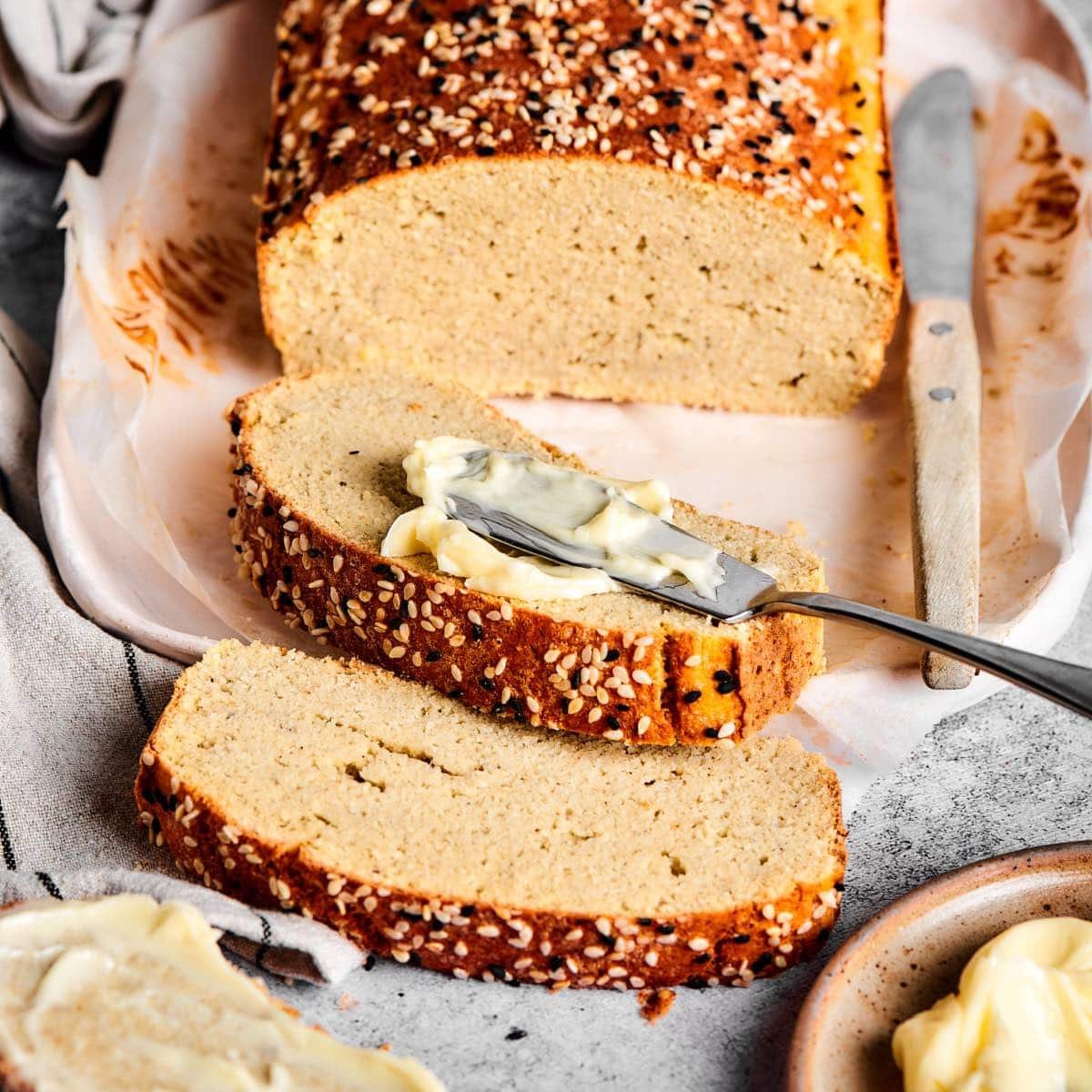
Photo credit: The Big Man’s World
For recipe: Coconut Flour Bread
One to One Gluten Free Blends
One to one blends mix rice flours, starches, and a binder like xanthan gum. They’re designed to replace regular all purpose flour cup for cup in most recipes. Results look and taste the most like traditional baking.
- Best for converting family recipes
- Works in cookies, cakes, muffins, and pancakes
- Usually includes xanthan gum already
- Neutral flavor that won’t change your recipe
- Some blends contain dairy or bean flours, so check labels
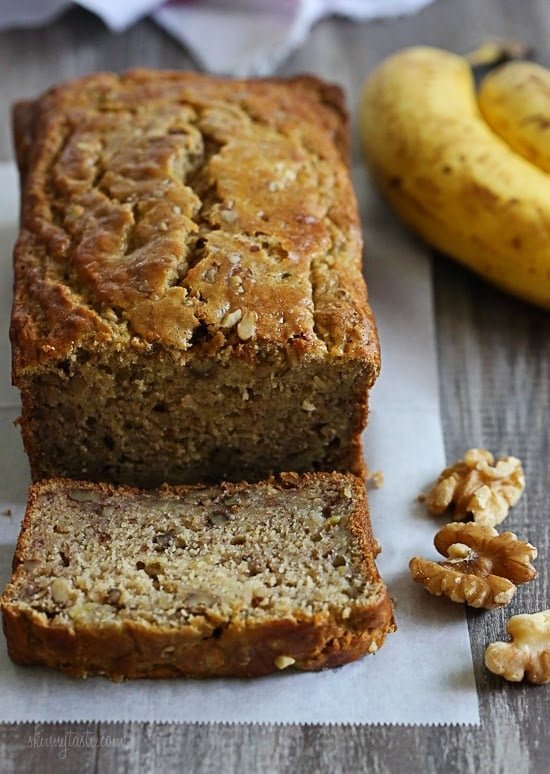
Photo credit: Skinnytaste
For recipe: Gluten Free Banana Nut Bread
Which Flour Should You Use?
- Choose a one to one blend when converting a regular recipe
- Choose almond flour for moist, rich, grain free treats
- Choose coconut flour for low carb, nut free baking
- Combine almond and coconut flour for tender paleo breads
- Never swap coconut flour cup for cup with other flours
Simple Swap Guidelines
- One cup all purpose flour equals one cup one to one blend
- One cup all purpose flour equals about one cup almond flour in many quick breads, with a slightly denser result
- One cup all purpose flour equals about a quarter cup coconut flour plus extra eggs and liquid
- Follow recipes written for almond or coconut flour whenever possible
Wrapping Up
Each gluten free flour has its own strengths, and knowing them makes baking so much easier. Keep a one to one blend for everyday recipes and try almond or coconut flour when you want something special. Want to mix your own? Learn how to make a gluten free flour blend at home.
Which gluten free flour do you use most? Tell us in the comments below!