
You’ve cleared the bread, pasta, and cookies out of your pantry, yet gluten still seems to sneak in. That’s because it hides in plenty of foods and products you’d never suspect. Soy sauce, salad dressing, canned soup, seasoning packets, deli meat, and even some medications and lip balms can contain wheat, barley, or rye. For anyone with celiac disease or gluten sensitivity, these hidden sources can cause symptoms long after you think you’ve gone fully gluten free. This guide breaks down the most common places gluten hides, organized into a printable watch list you can keep on your fridge or save to your phone. You’ll learn which label words to look for, which foods to double check every time, and how cross contact at home and in restaurants can add gluten to otherwise safe meals. When in doubt, the safest choice is simple. Pick a product labeled gluten free, or skip it until you can confirm the ingredients.
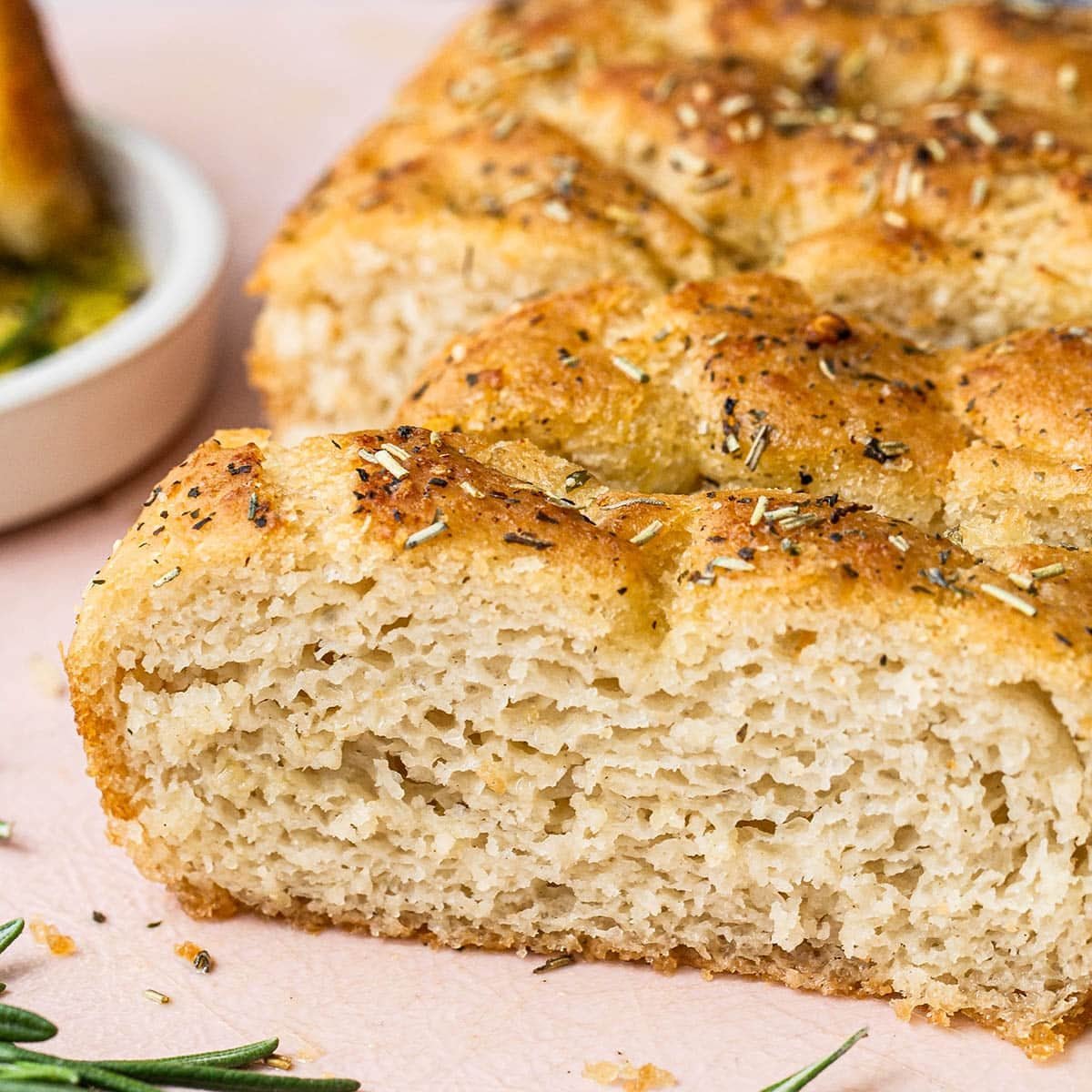
Photo credit: Iowa Girl Eats
Label Words That Mean Gluten
Wheat, barley, and rye are the big three, but they go by many names on ingredient lists. According to the Celiac Disease Foundation, malt, malt extract, malt flavor, and malt syrup are not safe. Watch for these words every time you shop.
- Wheat, wheat starch, and wheat flour
- Barley and barley malt
- Rye
- Malt, malt extract, malt flavor, and malt syrup
- Brewer’s yeast
- Semolina, durum, spelt, farro, and kamut
- Triticale
- Oats unless labeled gluten free
Sauces and Condiments
- Soy sauce and teriyaki sauce
- Salad dressings and marinades
- Barbecue sauce and some ketchups
- Gravy and cream sauces thickened with flour
- Malt vinegar
Soups, Broths, and Seasonings
- Canned soups and cream soups
- Broth, stock, and bouillon cubes
- Taco seasoning and other spice packets
- Chili and chowder thickened with flour
Meat, Seafood, and Deli
- Imitation crab and surimi
- Seitan and many meat substitutes
- Deli meats sliced on shared slicers
- Sausages, meatballs, and burgers with fillers
- Marinated or pre seasoned meats
Snacks, Sweets, and Drinks
- Licorice and some chewy candies
- Granola and energy bars made with regular oats
- Flavored chips and seasoned nuts
- Beer, malt beverages, and some coolers
- Chocolate with cookie or wafer pieces
Non Food Sources
- Vitamins, supplements, and gummies
- Some prescription and over the counter medicines
- Lip balm and lipstick
- Play dough and craft supplies
- Shared toasters, colanders, and cutting boards
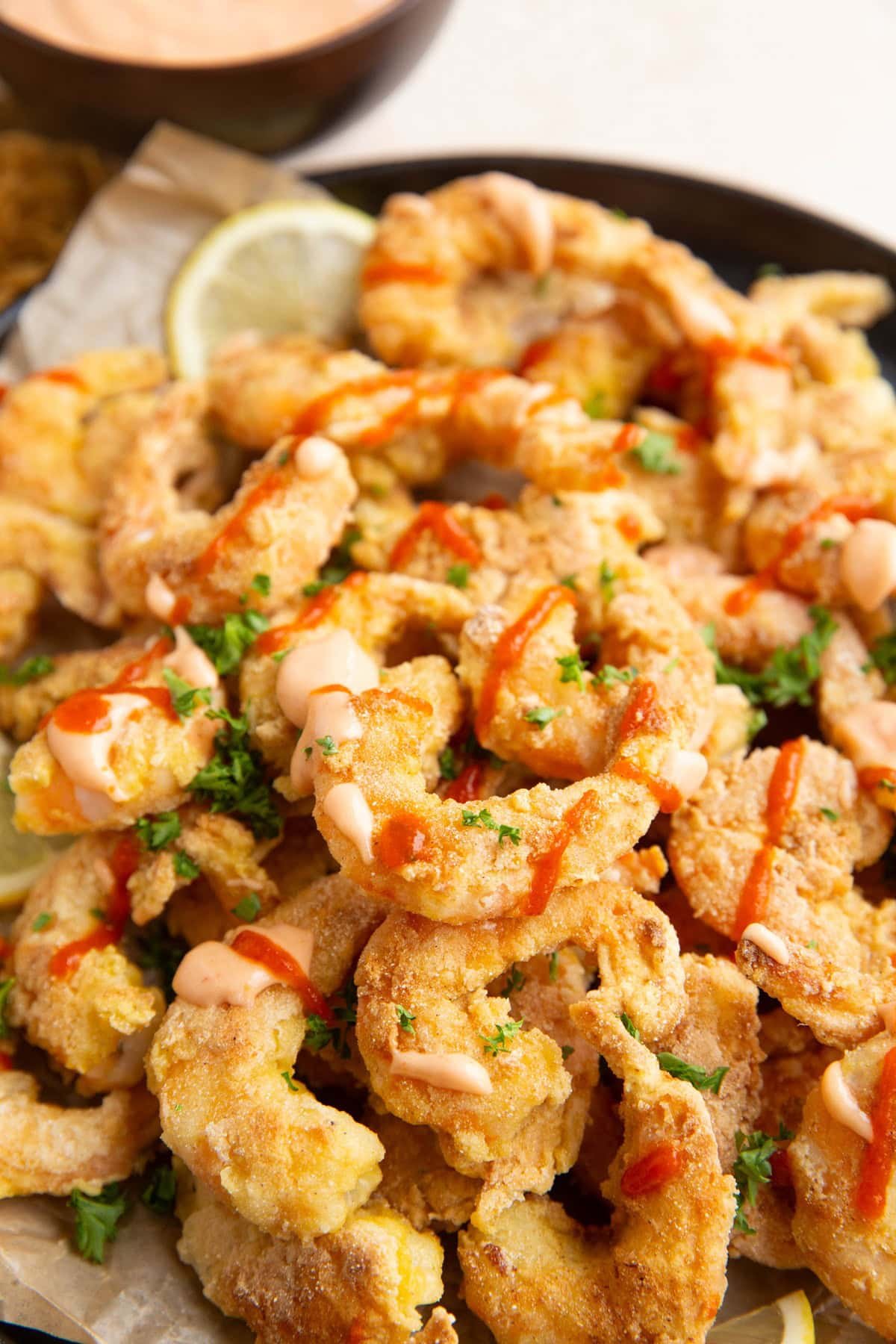
Photo credit: The Roasted Root
Cooking at home makes hidden gluten easier to avoid. Try The Roasted Root’s gluten free bang bang shrimp for a takeout style dinner, or bake Iowa Girl Eats’ easy gluten free focaccia to serve alongside soup.
How to Avoid Hidden Gluten
- Read every label, every time, since recipes change
- Look for a certified gluten free seal
- Ask your pharmacist about medications and supplements
- Use a separate toaster and clean tools at home
- Ask restaurants about shared fryers and prep surfaces
- When in doubt, go without
Information in this post draws on the Celiac Disease Foundation, Beyond Celiac, and Cleveland Clinic. This post is for general information and is not medical advice.
Wrapping Up
Hidden gluten can be frustrating, but a little label reading goes a long way. Print this watch list and keep it handy while you shop. Just starting out? Read our starter guide for newly gluten free families next.
Which hidden source of gluten surprised you most? Tell us in the comments below!