
Starting the Mediterranean diet can feel confusing when every website lists different rules. Here’s some good news. This way of eating is less about strict restrictions and more about building meals around plants, olive oil, whole grains, beans, and seafood. Mayo Clinic describes it as a flexible, plant focused eating pattern rooted in the traditional flavors of the Mediterranean region. There’s no calorie tracking app, no banned food list, and no special products to buy. You simply shift what fills most of your plate. This guide breaks the diet into eight simple rules that any beginner can follow starting today. Each rule comes with an easy recipe from a trusted food blogger so you can put it into practice right away. Use these rules as a checklist when you plan meals or shop for groceries. Follow a few at first, then add more as they become habits. Small swaps made consistently will reshape the way you eat within a few weeks.
1. Fill Half Your Plate With Vegetables
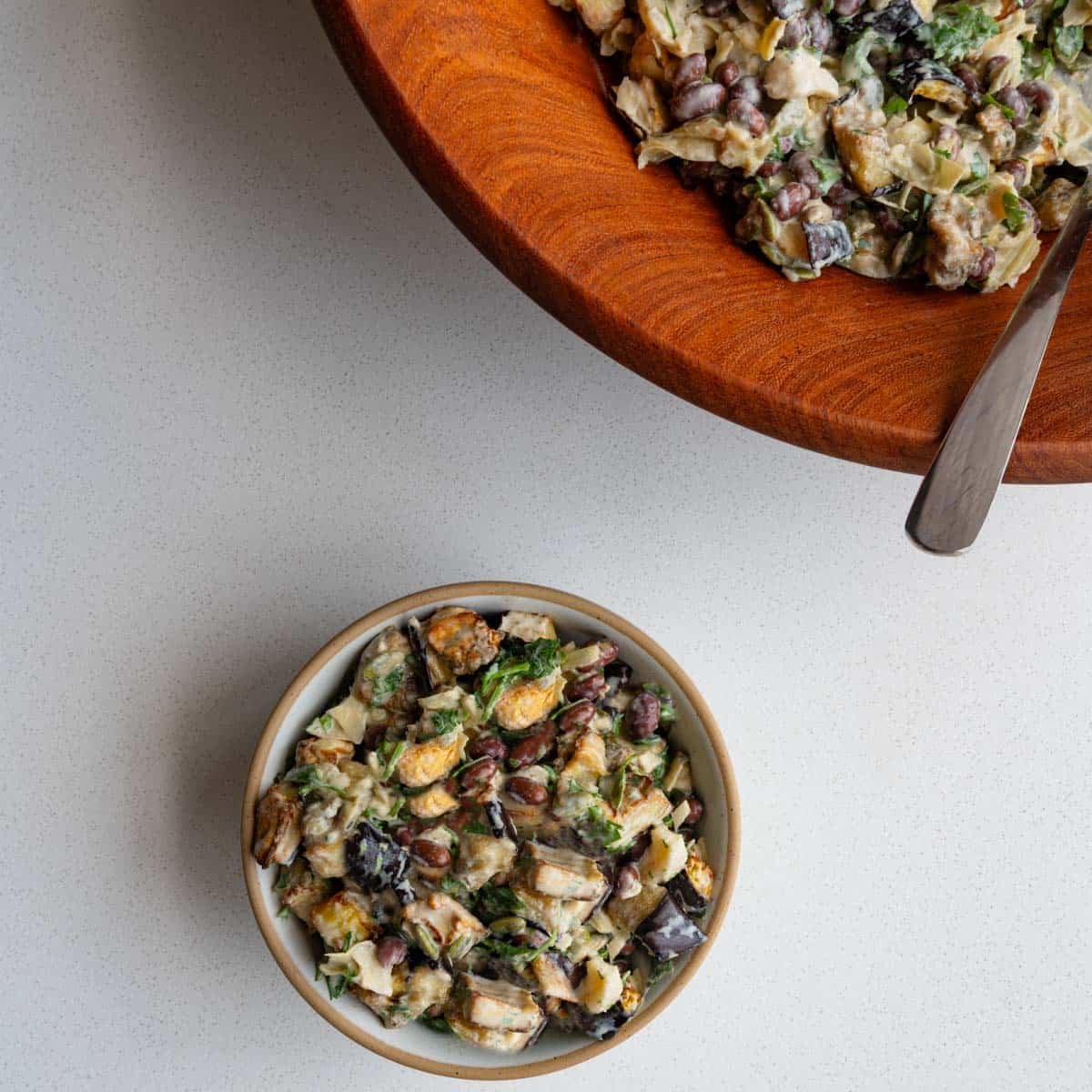
Photo credit: Cooking for Peanuts
Vegetables are the foundation of Mediterranean eating. Mayo Clinic suggests aiming for four or more servings of vegetables and two to three servings of fruit each day. Roasted, grilled, raw, or tossed into soup, every style counts.
Start by adding one extra vegetable side to lunch and dinner. Eggplant, tomatoes, peppers, zucchini, and leafy greens all fit right in. This roasted eggplant salad makes an easy, filling first step.
For recipe: Mediterranean Roasted Eggplant Salad
2. Make Olive Oil Your Main Fat
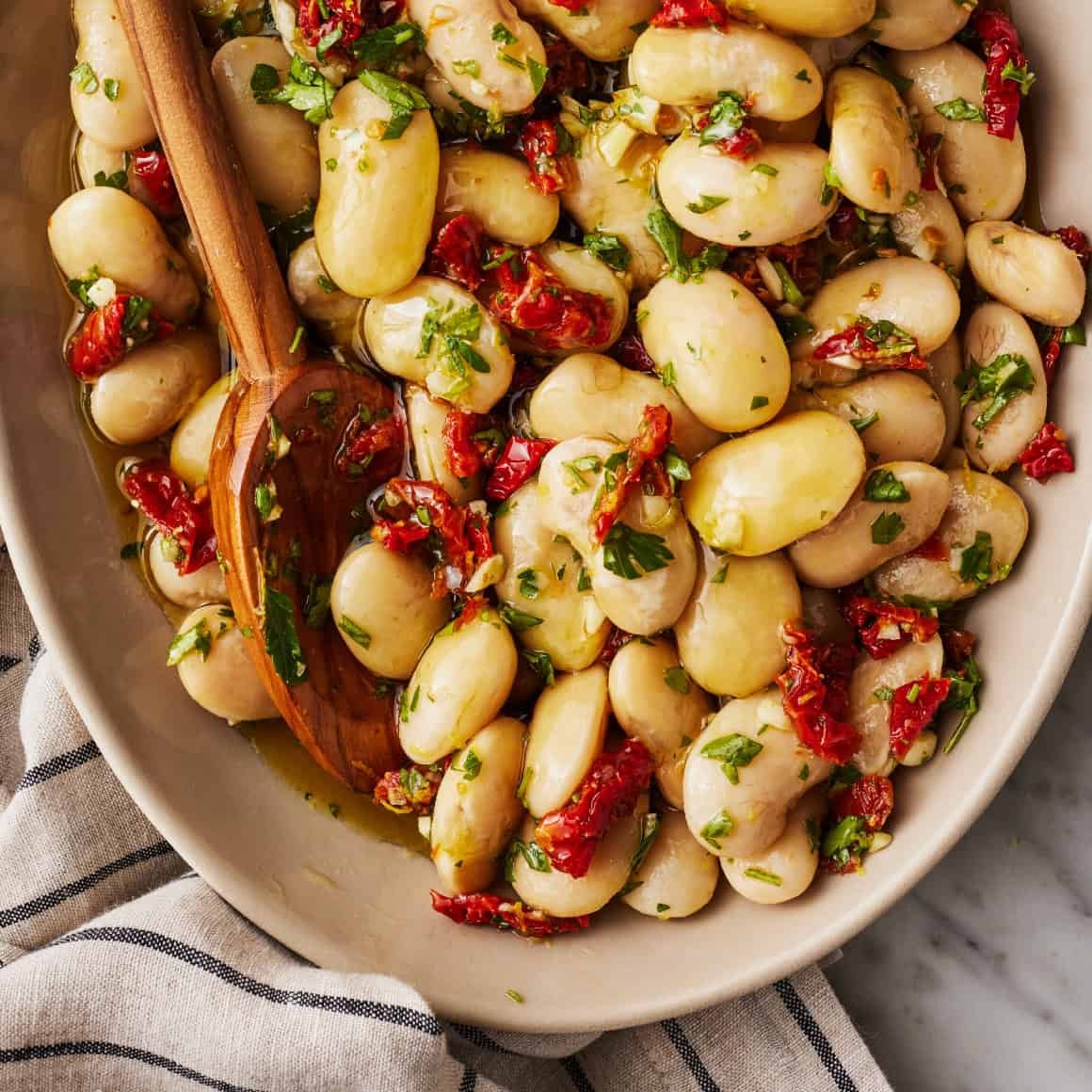
Photo credit: Love and Lemons
Extra virgin olive oil replaces butter and margarine as your everyday fat. Use it for roasting, sautéing, drizzling, and salad dressings. Its rich, fruity flavor makes simple food taste special.
Keep a good bottle near the stove so reaching for it becomes habit. Measure with a spoon instead of pouring freely, since calories still add up. These marinated gigante beans show how much flavor olive oil can bring.
For recipe: Marinated Gigante Beans
3. Choose Whole Grains Over Refined Ones
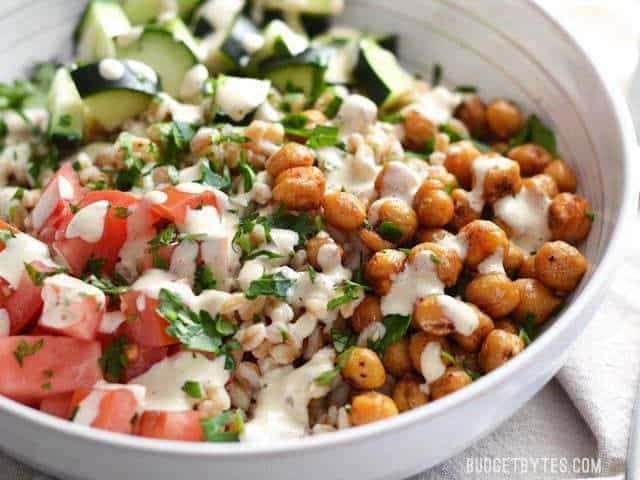
Photo credit: Budget Bytes
Whole grains keep you full and supply steady energy. Farro, bulgur, barley, brown rice, and whole wheat bread are all classic choices. Swap them in wherever you would use white rice or white pasta.
Cook a big batch of grains on Sunday for quick bowls all week. Leftover farro or bulgur turns into salad in minutes. This farro salad with spiced chickpeas packs well for lunch.
For recipe: Mediterranean Farro Salad with Spiced Chickpeas
4. Eat Beans and Lentils Every Week
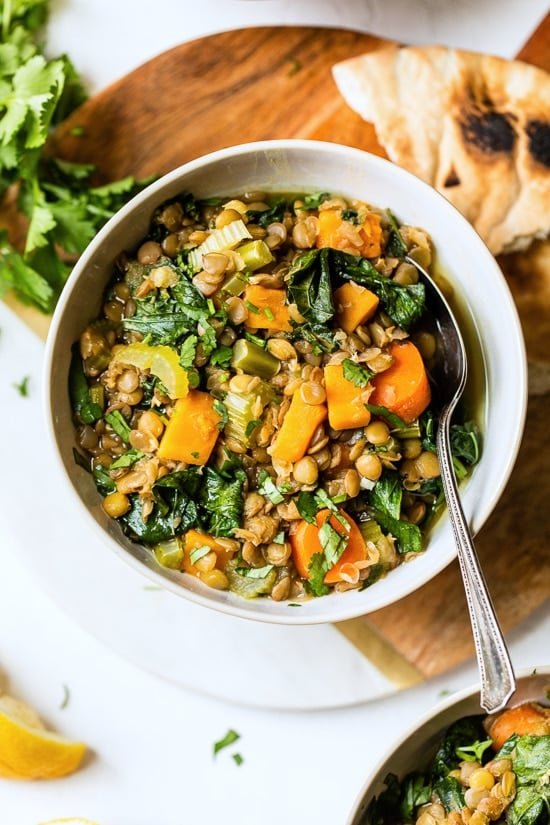
Photo credit: Skinnytaste
Beans, lentils, and chickpeas are budget friendly protein powerhouses. They bring fiber, plant protein, and hearty texture to any meal. Many Mediterranean households serve them several times a week.
Try one meatless dinner built around legumes each week to start. Canned beans work great, so just rinse them well before using. Lentil soup is cozy, cheap, and freezes beautifully.
For recipe: Lebanese Lentil Soup
5. Eat Fish at Least Twice a Week
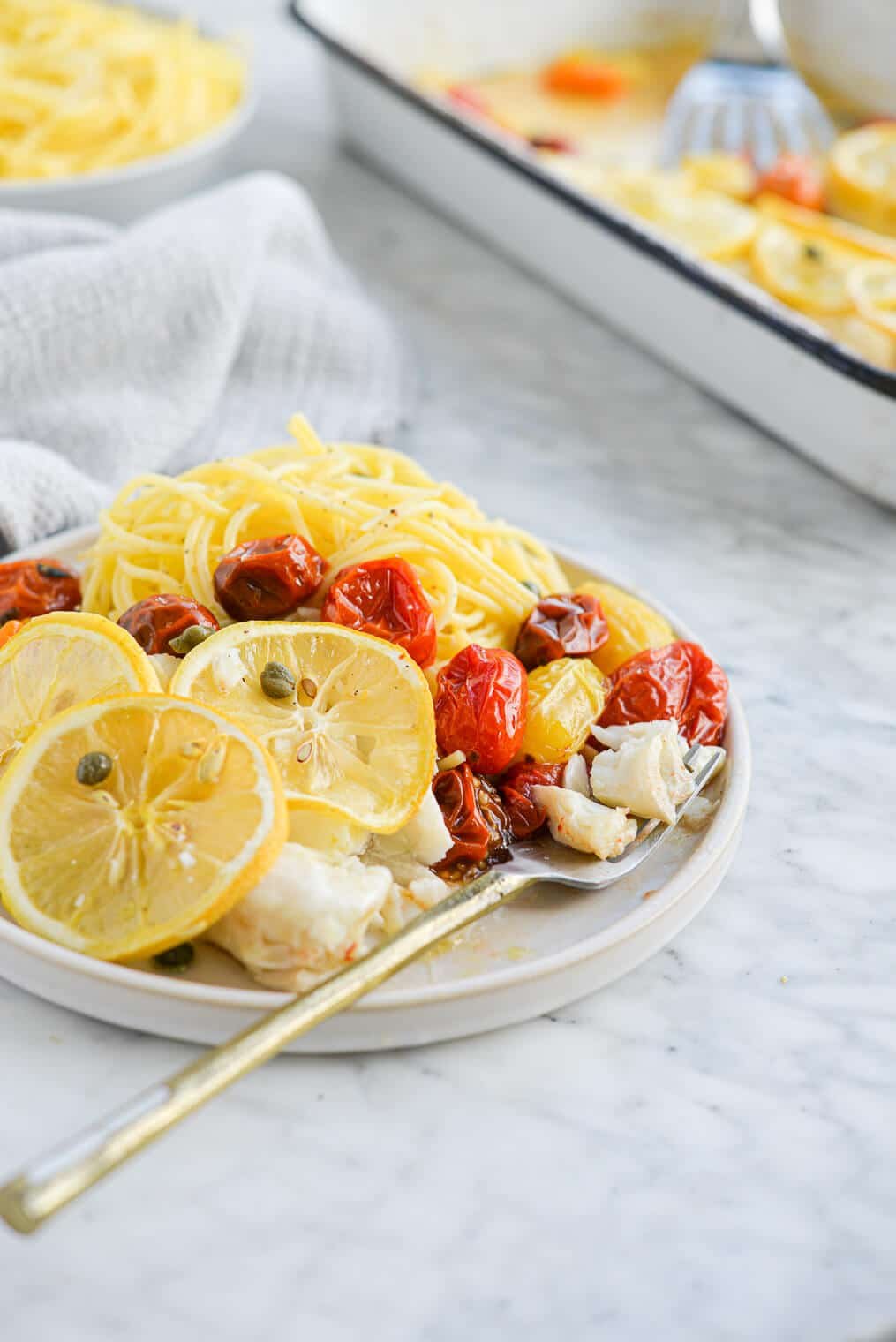
Photo credit: Fed and Fit
Fish and seafood show up regularly on Mediterranean tables. Salmon, sardines, cod, shrimp, and tuna are all smart picks. Aim for two servings each week to build the habit.
Baking fish on a sheet pan with tomatoes and lemon takes almost no effort. Frozen fillets are affordable and thaw quickly in cold water. This lemon garlic cod comes together in about twenty minutes.
For recipe: Lemon Garlic Baked Cod with Cherry Tomatoes
6. Enjoy Yogurt and Cheese in Moderation
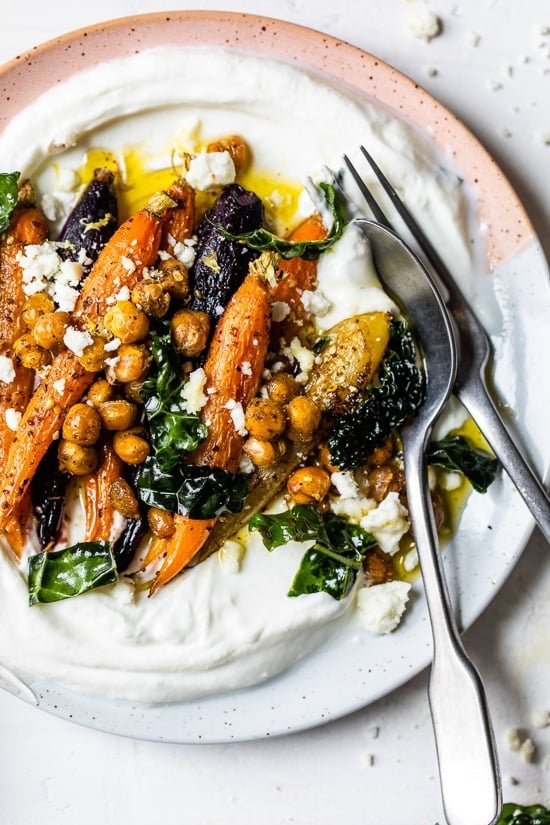
Photo credit: Skinnytaste
Dairy is part of the plan, just in smaller portions. Greek yogurt, feta, and Parmesan add creaminess and salty punch. Think of cheese as a flavor booster instead of the main event.
Plain Greek yogurt works for breakfast, dips, sauces, and savory bowls. Crumble feta over salads rather than eating it by the slice. These za’atar carrot yogurt bowls prove dairy can star in dinner too.
For recipe: Za’atar Roasted Carrots and Chickpea Yogurt Bowls
7. Pick Eggs and Poultry Over Red Meat
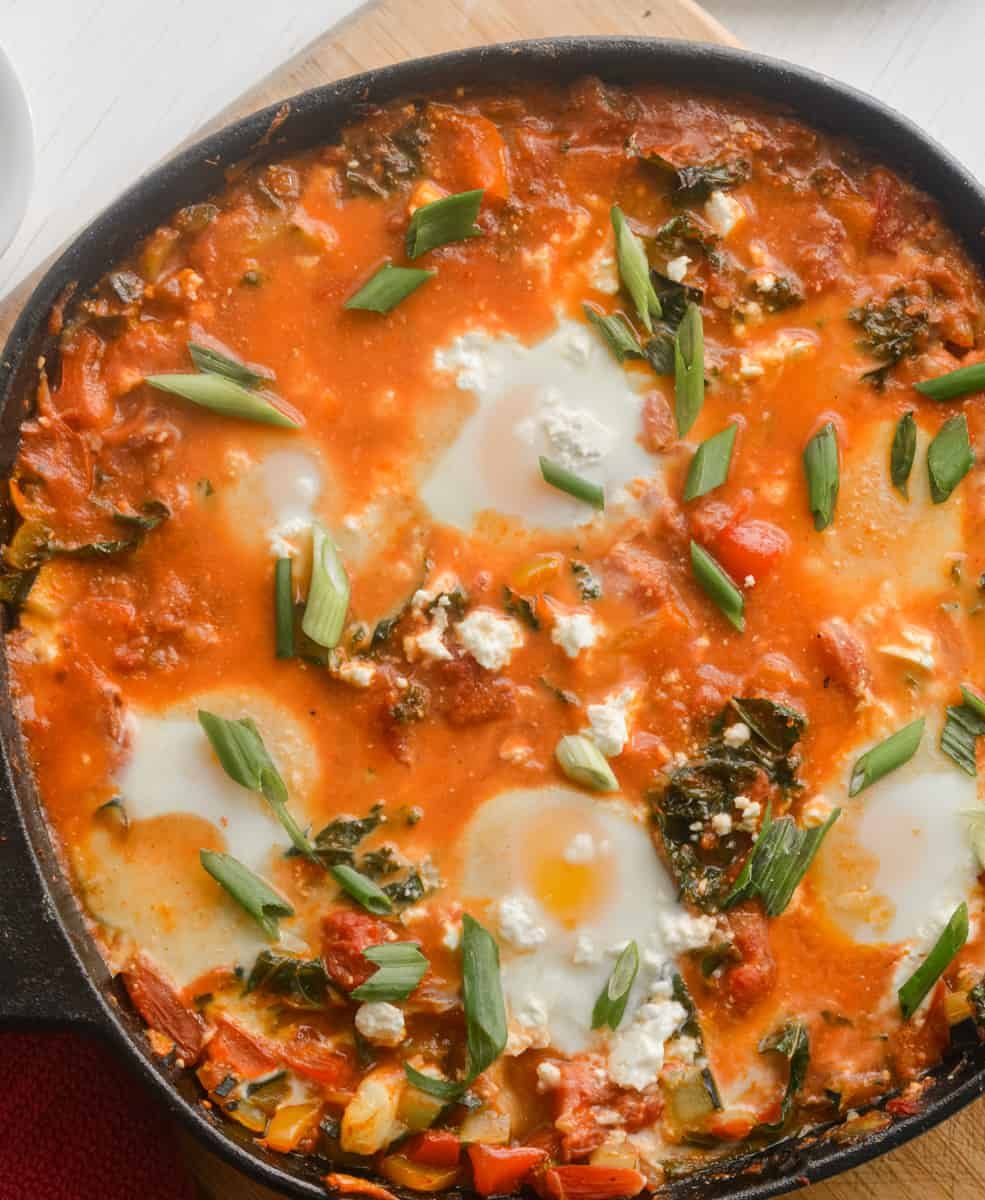
Photo credit: Nourished by Nic
Red meat stays on the menu occasionally, not daily. Chicken, turkey, and eggs fill the protein gap most days. Save steak or lamb for special meals and smaller portions.
Eggs make quick, cheap dinners when time runs short. Poultry takes on Mediterranean spices like oregano, cumin, and paprika with ease. Moroccan shakshuka simmers eggs in a spiced tomato sauce for a one pan meal.
For recipe: Moroccan Shakshuka
8. Season With Herbs and Spices
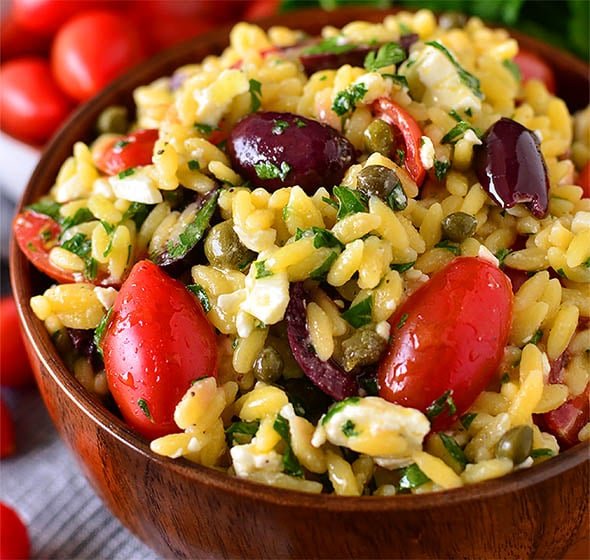
Photo credit: Iowa Girl Eats
Herbs and spices replace much of the salt in Mediterranean cooking. Fresh parsley, dill, mint, and basil brighten every dish. Dried oregano, cumin, and za’atar add warmth and depth.
Squeeze fresh lemon over food right before serving to wake up flavors. Garlic and red onion build savory flavor without extra sodium. This orzo salad shows how herbs and lemon carry a whole dish.
For recipe: Mediterranean Orzo Salad
Simple Rules for Everything Else
- Limit red meat to a few small portions each month
- Keep added sugar and sweets for occasional treats
- Snack on a handful of nuts or fresh fruit
- Drink water as your main beverage
- Sit down for meals and share them with family or friends when you can
- Stay active with walking, gardening, or any movement you enjoy
Guidance in this post draws on Mayo Clinic’s Mediterranean diet resources and the Oldways Mediterranean Diet Pyramid. Talk with your doctor or a registered dietitian before making major changes to your diet.
Wrapping Up
Mediterranean eating works because it’s simple, flexible, and full of flavor. Pick two rules from this list and practice them this week. Ready for a full plan? Try our 7 day Mediterranean diet meal plan and whip up a batch of creamy homemade hummus for easy snacks.
Which rule will you start with first? Tell us in the comments below!