
Starting the Mediterranean diet feels exciting until you realize you might be doing a few things wrong. Most beginners make the same handful of mistakes, and the good part is that each one has a quick fix. Some people pour olive oil with abandon, while others pile pasta high and wonder why they feel sluggish. Others buy anything labeled Mediterranean at the store without reading the ingredients. These slipups won’t ruin your progress, but they can slow it down and leave you frustrated. This guide covers seven of the most common Mediterranean diet mistakes beginners make and shows you exactly how to correct them. Each fix comes with an easy recipe from a trusted food blogger so you can put the lesson into practice right away. Read through the list, see which ones sound familiar, and pick one or two to work on this week. Small changes add up, and you’ll be eating like a pro sooner than you think.
1. Pouring Olive Oil Without Measuring
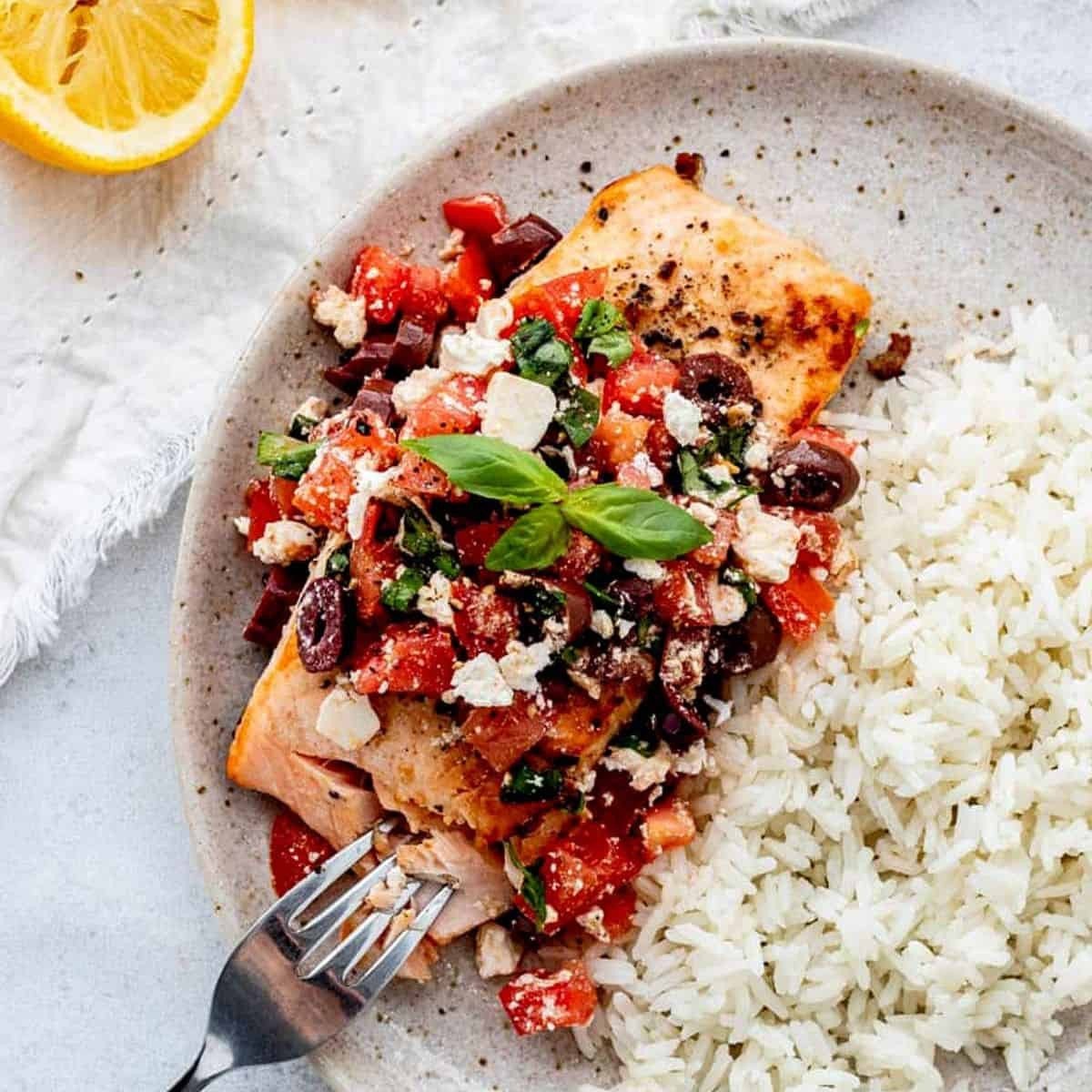
Photo credit: Haute and Healthy Living
Olive oil is healthy, but it still carries about 120 calories per tablespoon. Many beginners drench salads and pans because they hear olive oil is good for you. Those extra pours can quietly add hundreds of calories a day.
Measure oil with a spoon for a week to learn what a serving looks like. Roast vegetables with just enough oil to lightly coat them. This Mediterranean salmon shows how a modest drizzle still delivers big flavor.
For recipe: Mediterranean Salmon
2. Making Pasta and Bread the Main Event
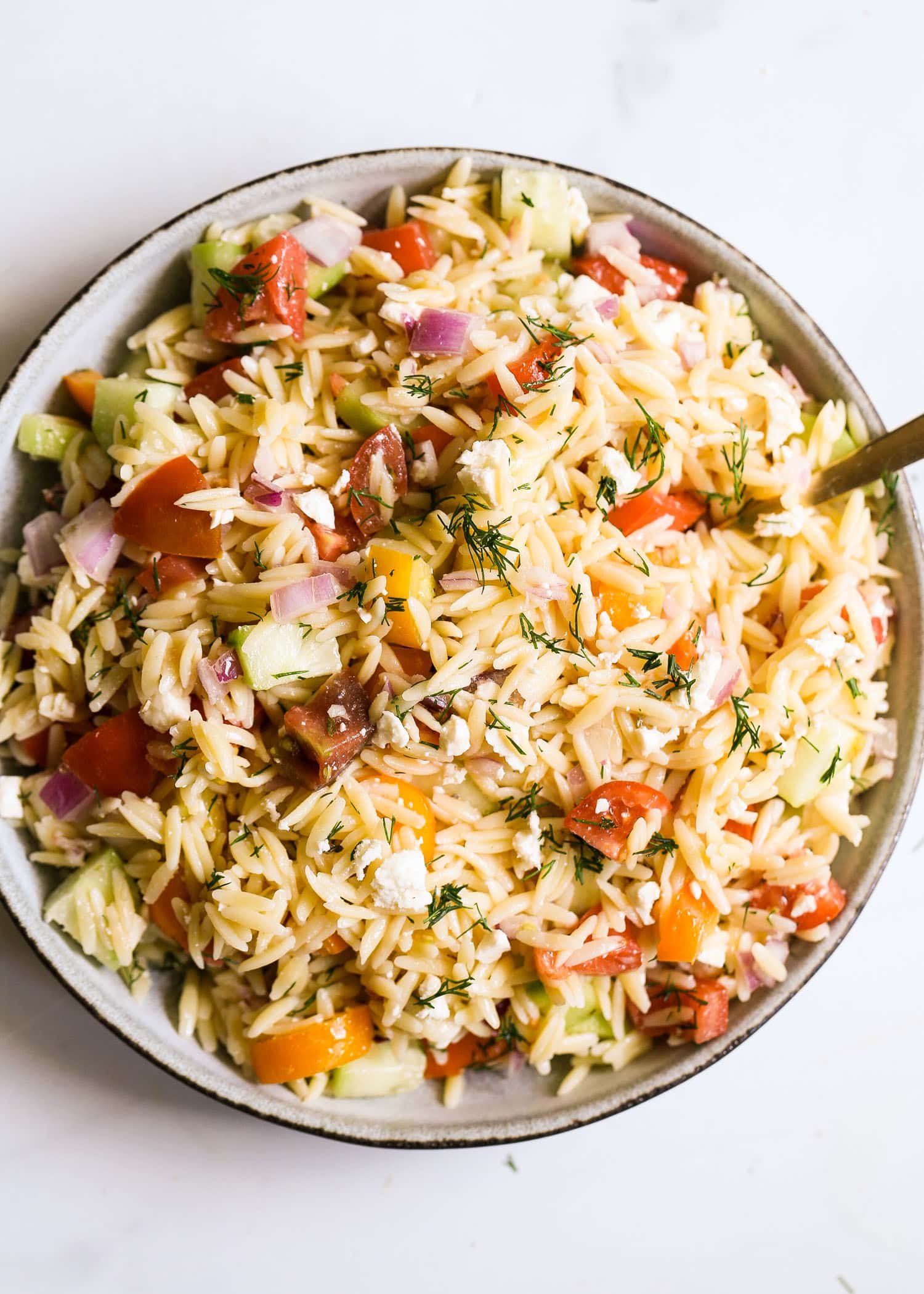
Photo credit: Wholesomelicious
Pasta and crusty bread are part of Mediterranean cooking, but they’re not the whole plate. Traditional meals pair small portions of grains with plenty of vegetables, beans, and fish. Oversized pasta bowls miss the point entirely.
Treat pasta as one part of the dish instead of the base. Load it up with vegetables, herbs, and a protein. This Greek orzo salad balances pasta with cucumber, tomatoes, olives, and dill.
For recipe: Greek Orzo Pasta Salad with Fresh Dill
3. Skipping Beans and Lentils
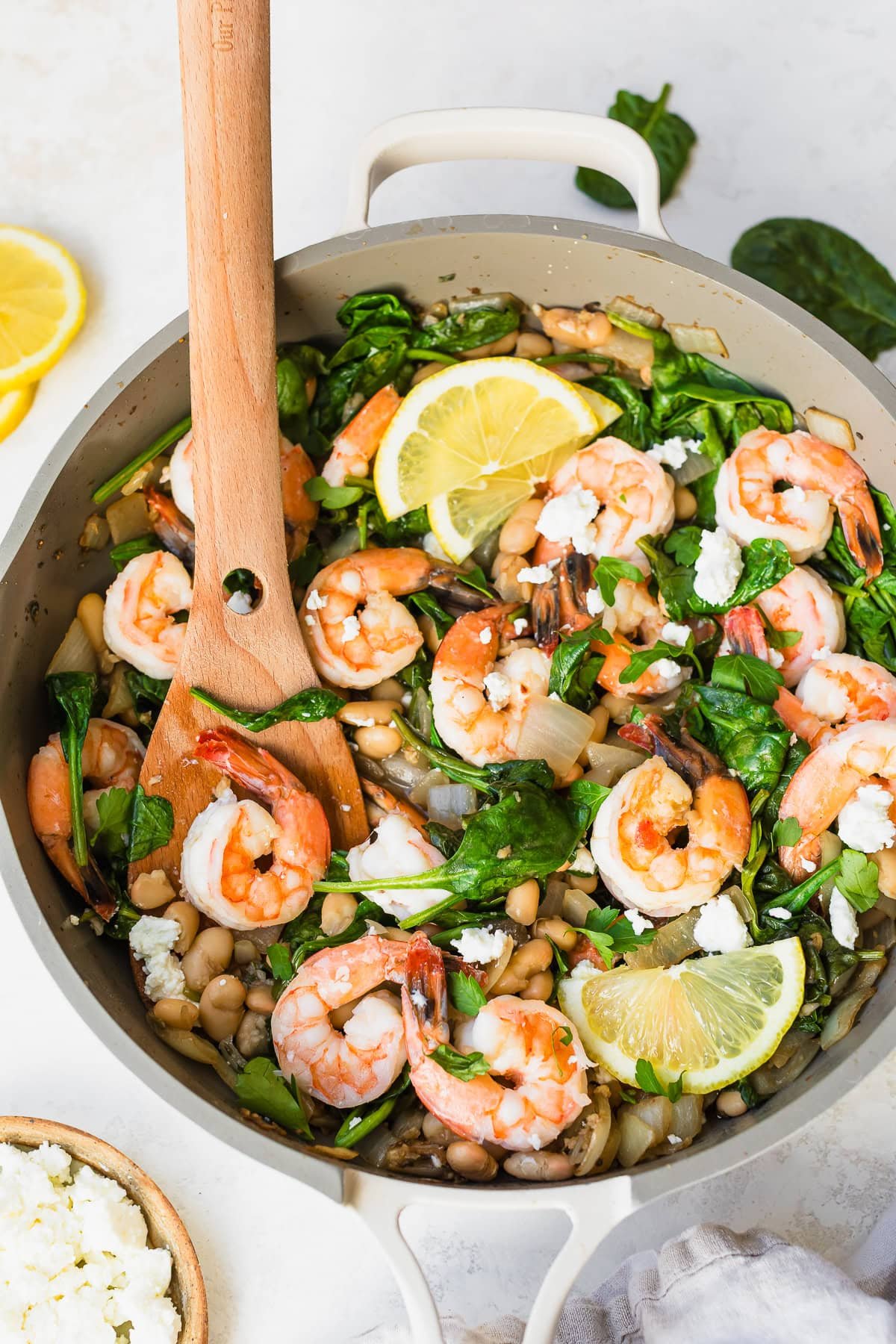
Photo credit: Skinnytaste
Beans and lentils are everyday protein in the Mediterranean region. Beginners often stick to chicken and skip legumes altogether. That means missing out on fiber, plant protein, and serious savings.
Plan at least two bean based meals each week to build the habit. Rinse canned beans well to cut extra sodium. These Tuscan white beans with shrimp make legumes feel hearty and satisfying.
For recipe: Tuscan White Beans with Shrimp, Spinach and Feta
4. Forgetting About Fish
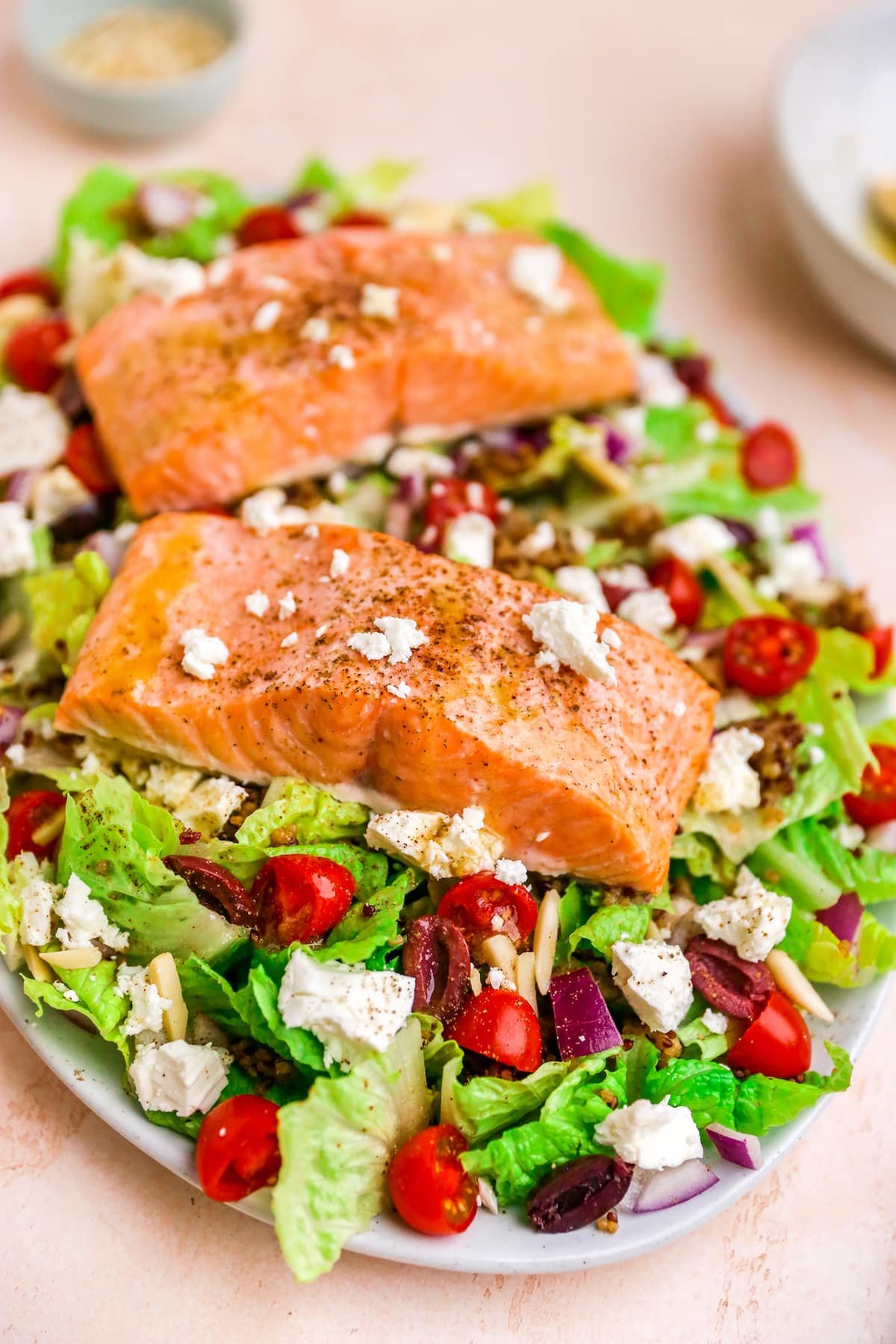
Photo credit: Eating Bird Food
Seafood is a cornerstone of Mediterranean eating, yet many people rarely cook it at home. Some worry about cost, while others feel unsure how to prepare fish. Skipping it means losing a big source of omega 3 fats.
Start with salmon or canned tuna since both are easy and familiar. Frozen fillets cost less and cook in minutes. This Mediterranean salmon salad turns seafood into a fresh, simple lunch.
For recipe: Mediterranean Salmon Salad
5. Trusting Every Mediterranean Label
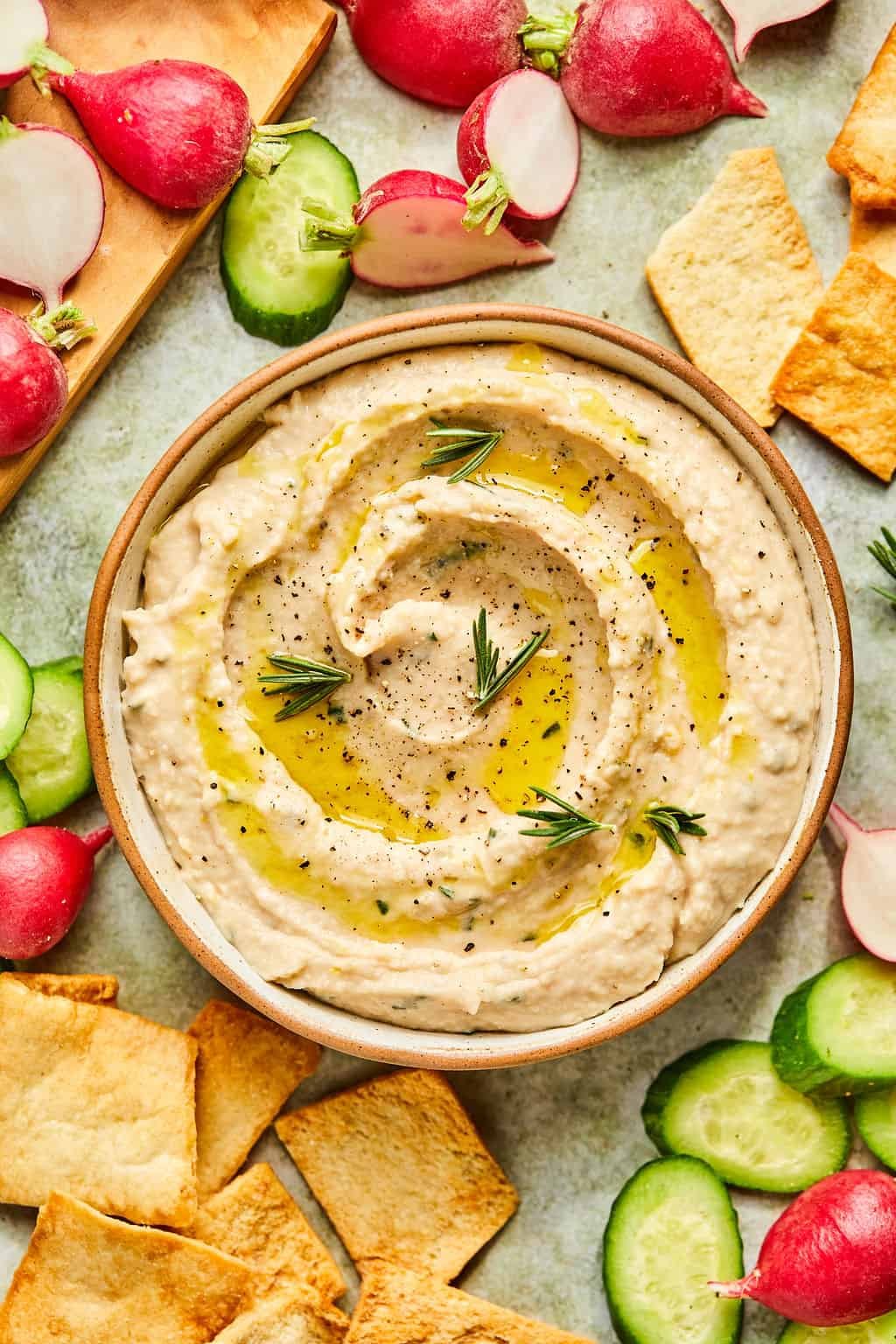
Photo credit: Lauren Fit Foodie
Grocery stores slap Mediterranean on chips, frozen meals, and dips that don’t fit the diet. Many packaged versions are loaded with sodium, sugar, or cheap oils. Labels can make processed food look healthier than it really is.
Read ingredient lists and choose foods with short, recognizable ingredients. Make simple dips and spreads at home when you can. This white bean dip takes about five minutes and beats most store versions.
For recipe: Healthy White Bean Dip
6. Piling On the Cheese
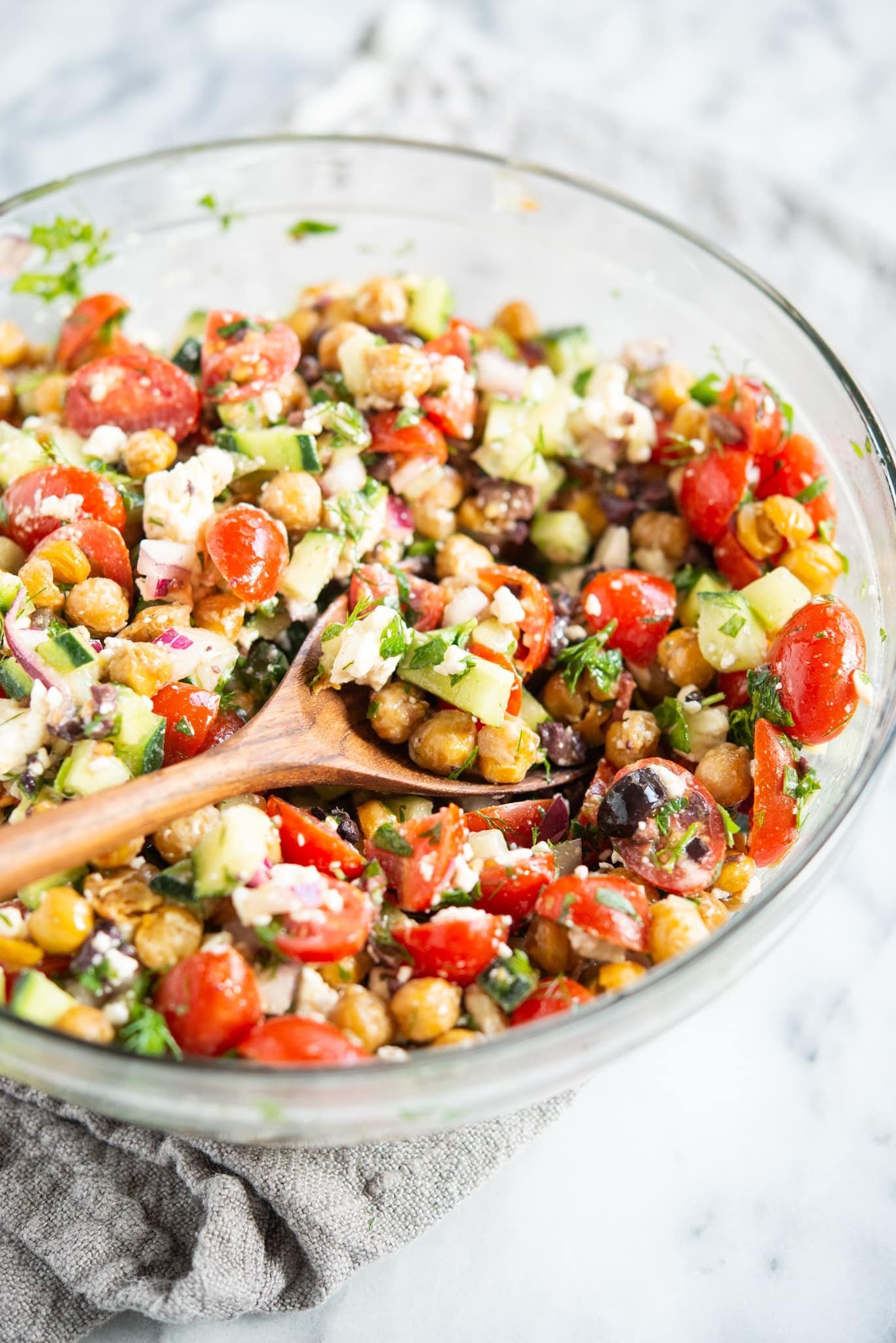
Photo credit: Fed and Fit
Feta and halloumi taste amazing, so it’s easy to go overboard. Cheese belongs in moderate portions on the Mediterranean Diet Pyramid. Too much adds saturated fat, sodium, and calories fast.
Crumble a small amount over the top so every bite gets flavor. Let vegetables, beans, and herbs carry the dish. This chickpea salad uses feta as a finishing touch instead of the star.
For recipe: Mediterranean Chickpea Salad
7. Leaving Vegetables Out of Breakfast

Photo credit: Eating Bird Food
Many beginners eat vegetables at dinner but start every morning with toast or cereal. That makes hitting daily vegetable goals much harder. Breakfast offers an easy chance to add produce.
Toss spinach into eggs, top toast with tomatoes, or add cucumber to a yogurt plate. Savory breakfasts are common across the Mediterranean region. Shakshuka simmers eggs in a vegetable packed tomato sauce.
For recipe: Easy Shakshuka
Quick Fixes to Remember
- Measure olive oil until portions feel natural
- Fill half your plate with vegetables first
- Cook beans or lentils at least twice a week
- Eat fish or seafood twice a week
- Read ingredient lists on anything labeled Mediterranean
- Use cheese as a garnish, not the main event
- Add vegetables to breakfast
Guidance in this post follows Mayo Clinic’s Mediterranean diet recommendations and the Oldways Mediterranean Diet Pyramid. Talk with your doctor or a registered dietitian before making major changes to your diet.
Wrapping Up
Every beginner slips up, so don’t stress if a few of these mistakes sounded familiar. Pick one fix, practice it this week, then move on to the next. Want a cheat sheet? Bookmark our printable Mediterranean diet food list and our simple rules for beginners.
Which mistake have you been making? Tell us in the comments below!