
Butter or oil is one of the biggest choices in any cake recipe, and it changes everything from flavor to texture to how long your cake stays fresh. Butter brings rich flavor and a tender, fine crumb, while oil makes cakes extra moist and soft for days. So which one really makes a moister, softer cake that people will love? In this guide, you will learn how each fat works, when to choose butter or oil, and how to swap one for the other. We also share six tested cakes from popular baking blogs, three made with butter and three made with oil, so you can bake both and taste the difference for yourself. By the end, you will know exactly which fat to reach for when you want a classic birthday cake, a snack cake that stays soft all week, or a chocolate cake with a deep, fudgy crumb.
Butter vs Oil at a Glance
- Butter is about 80 percent fat, plus water and milk solids that add flavor and help browning
- Oil is 100 percent fat and stays liquid at room temperature, which keeps crumbs soft
- Creamed butter traps air for a lighter, sturdier cake that stacks well
- Oil cakes stay moist longer and taste tender straight from the fridge
So Which Makes a Moister Cake?
Oil wins for moisture. Since oil stays liquid when cool, oil based cakes feel softer and more moist on day two and three. Butter cakes taste richer on the first day but firm up as the butter sets. For flavor, butter wins, and many bakers use a mix of both for the best of each.
Cakes Made With Butter
Marble Cake
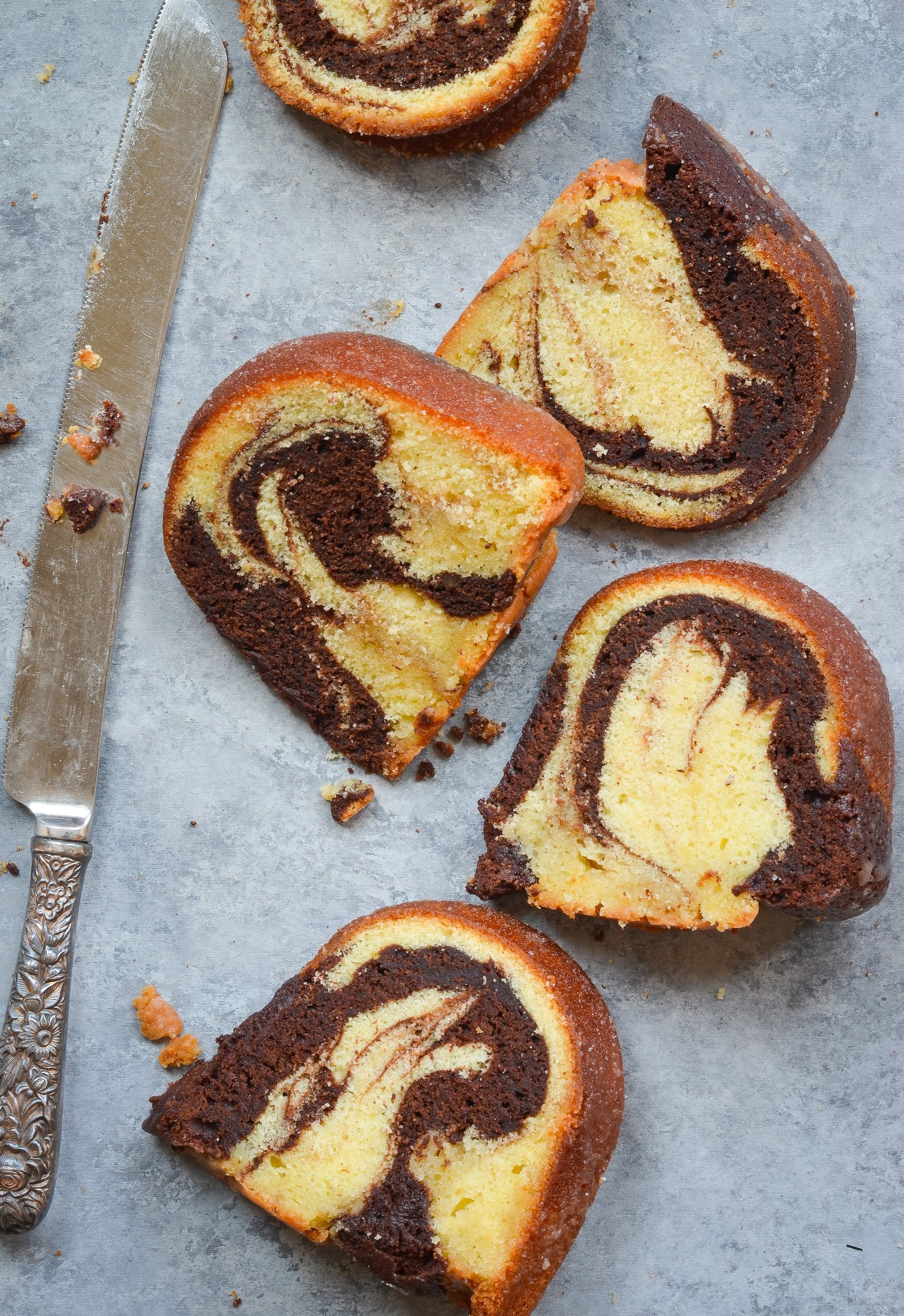
Photo credit: Once Upon a Chef
Creamed butter gives this swirled vanilla and chocolate cake a fine, velvety crumb and classic buttery flavor.
For recipe: Marble Cake
Pear Cake

Photo credit: Well Plated
Butter adds rich flavor to this tender spiced cake topped with a crunchy streusel.
For recipe: Pear Cake
Lemon Gooey Butter Cake
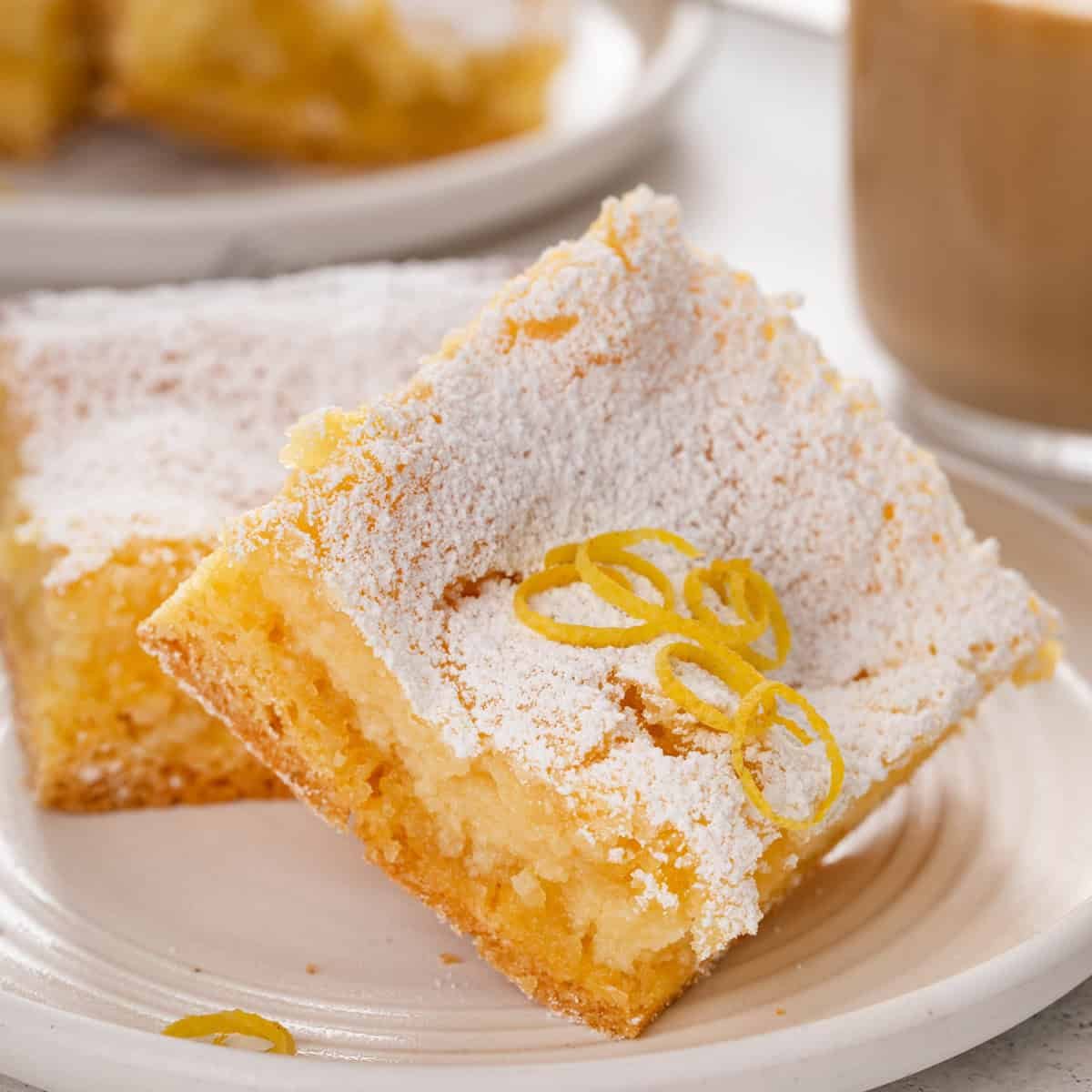
Photo credit: My Baking Addiction
Plenty of butter creates a chewy base and a soft, gooey lemon layer in this St. Louis favorite.
For recipe: Lemon Gooey Butter Cake
Cakes Made With Oil
Olive Oil Cake
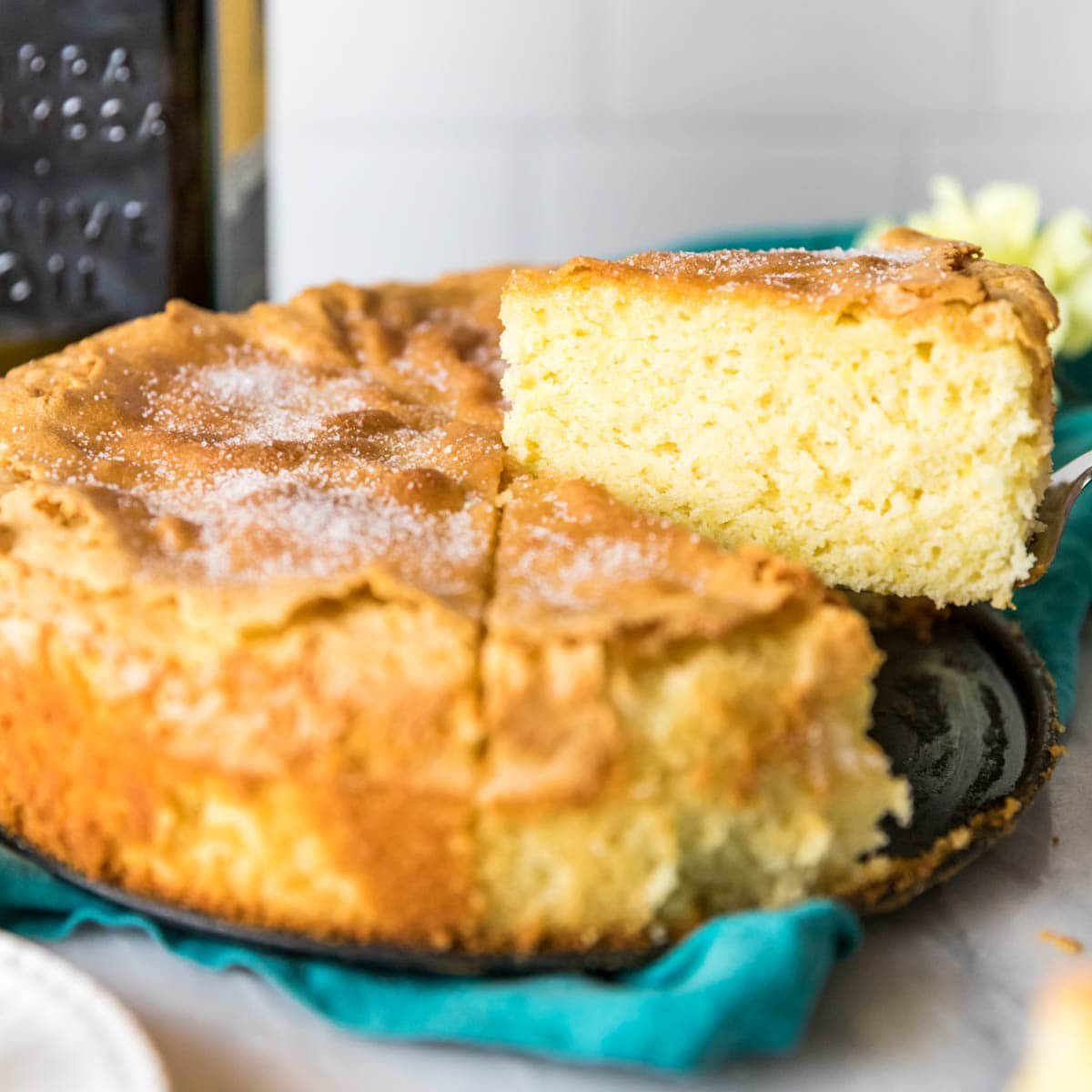
Photo credit: Sugar Spun Run
Olive oil keeps this simple cake moist for days and adds a light, fruity flavor.
For recipe: Olive Oil Cake
Lemon Olive Oil Cake

Photo credit: Love and Lemons
Bright lemon and olive oil make a tender, moist cake that needs only a dusting of powdered sugar.
For recipe: Lemon Olive Oil Cake
Chocolate Olive Oil Cake

Photo credit: Well Plated
Oil gives this chocolate cake a fudgy, ultra moist crumb that stays soft even after chilling.
For recipe: Chocolate Olive Oil Cake
How to Swap Butter and Oil
- Replace 1 cup melted butter with about 3/4 cup neutral oil
- Use oil swaps in muffins, quick breads, and snack cakes, not in creamed layer cakes
- Add a pinch more salt and a splash of vanilla when swapping in oil for flavor
- Choose a mild oil like canola or light olive oil for cakes
When to Use Each
Reach for butter when you want a sturdy layer cake, pound cake, or a cake with rich, buttery flavor. Pick oil for chocolate cakes, carrot cakes, snack cakes, and anything you plan to serve cold or keep for several days.
Wrapping Up
Butter brings flavor and structure, and oil brings lasting moisture, so the best choice depends on the cake you are making. Try one of each from the list above and see which you prefer. Want more baking help? Check out our baking substitutions chart and pin this guide for your next cake.
Are you team butter or team oil? Let us know in the comments below!