
Few things are more disappointing than slicing into chicken that’s dry, stringy, or rubbery. You followed the recipe, set the timer, and still ended up chewing through tough meat. Luckily, dry chicken almost always comes down to a handful of common mistakes, and every one of them is easy to fix. Lean chicken breast has very little fat to protect it, so small errors in prep, heat, or timing show up fast. Thighs are more forgiving, but they can still turn rubbery if you rush them. In this guide, we break down the seven mistakes home cooks make most often and explain exactly what to do instead. You’ll learn why thickness matters, how brining helps, when to use high heat, and why resting is not optional. We also share a few reliable recipes from trusted food bloggers so you can practice. Fix these habits and juicy chicken will become your new normal.
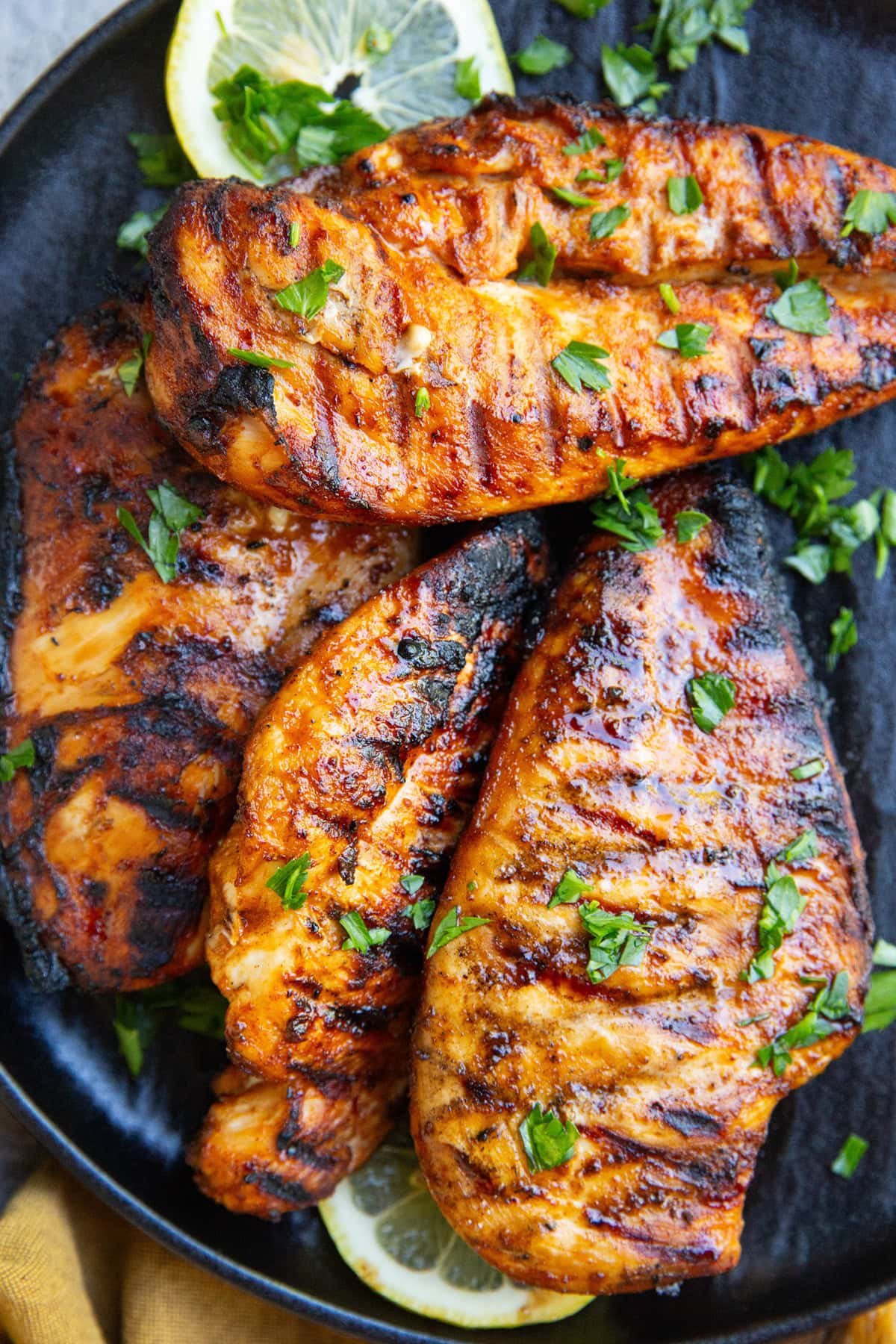
Photo credit: The Roasted Root
Mistake 1. Cooking Uneven Pieces
Most chicken breasts are thick at one end and thin at the other. By the time the thick end is cooked, the thin end is overdone and dry. Pound the breast to an even thickness of about half an inch, or slice it in half horizontally into cutlets.
Mistake 2. Skipping the Brine or Marinade
Salt helps meat hold onto moisture while it cooks. Even a quick dry brine of salt for 30 minutes makes a difference. Marinades with yogurt, citrus, or oil add flavor and protect lean meat too.
Mistake 3. Cooking Straight From the Fridge
Ice cold chicken cooks unevenly, leaving the outside overcooked before the center is safe. Let it sit on the counter for about 15 minutes before cooking. Pat it dry so it browns instead of steaming.
Mistake 4. Using Heat That Is Too Low
Low heat stretches out cooking time and slowly squeezes out moisture. Sear chicken in a hot pan, roast it at 400°F to 425°F, or grill over medium high heat. Fast cooking keeps the inside tender.
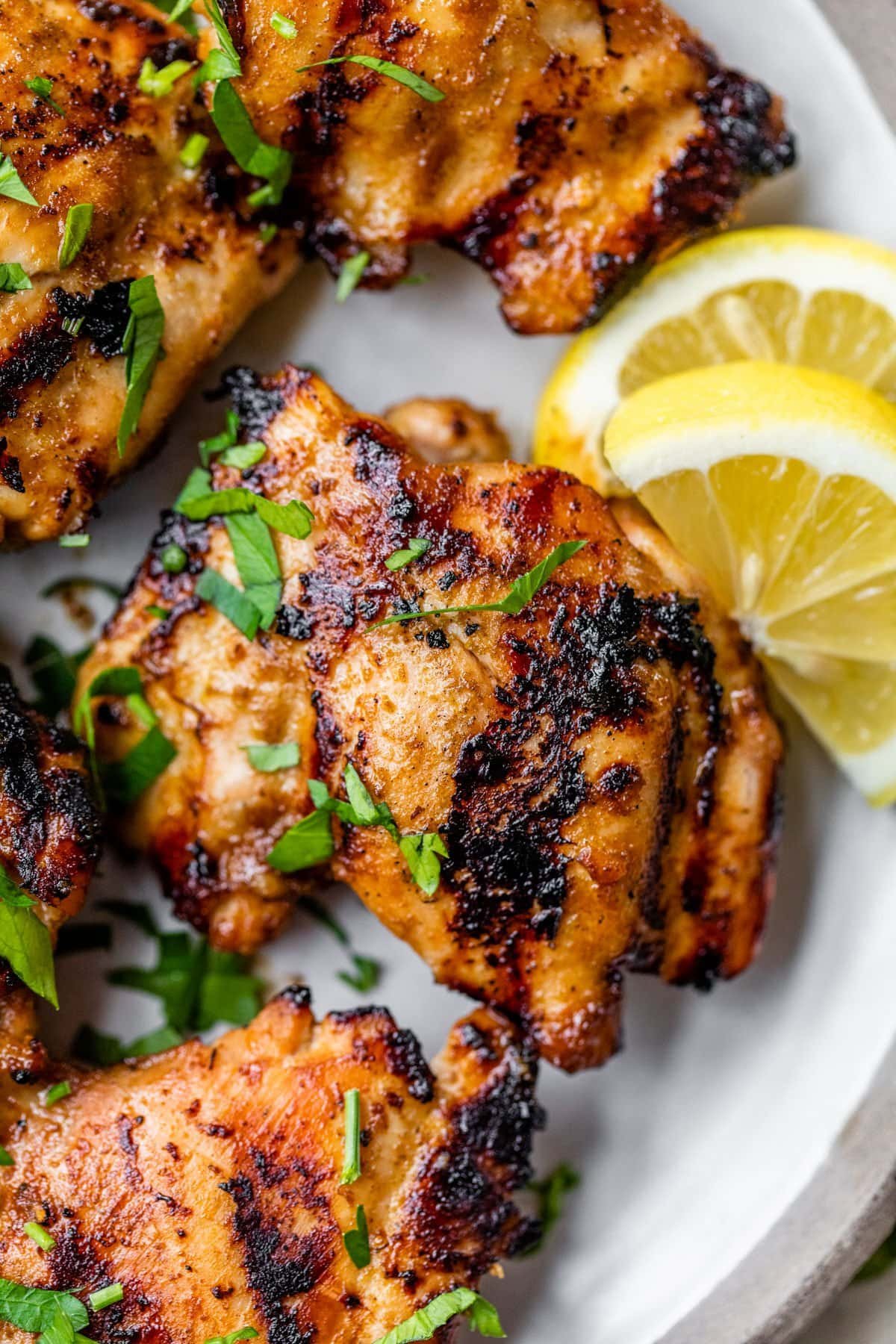
Photo credit: Well Plated
Thighs stay juicier with high heat. Try these grilled chicken thighs from Well Plated.
Mistake 5. Guessing Instead of Using a Thermometer
Color and cutting into the meat are unreliable ways to check doneness. An instant read thermometer tells you exactly when chicken reaches 165°F. Pull it a few degrees early since the temperature keeps rising as it rests.
Mistake 6. Cutting In Right Away
Slicing chicken straight off the heat lets the juices run onto the cutting board. Rest it for five to ten minutes so the juices settle back into the meat. Tent loosely with foil to keep it warm.
Mistake 7. Reheating It Too Hard
Leftover chicken dries out quickly in a hot microwave. Add a splash of broth, cover the dish, and reheat gently at lower power. You can also slice it cold for salads and wraps.
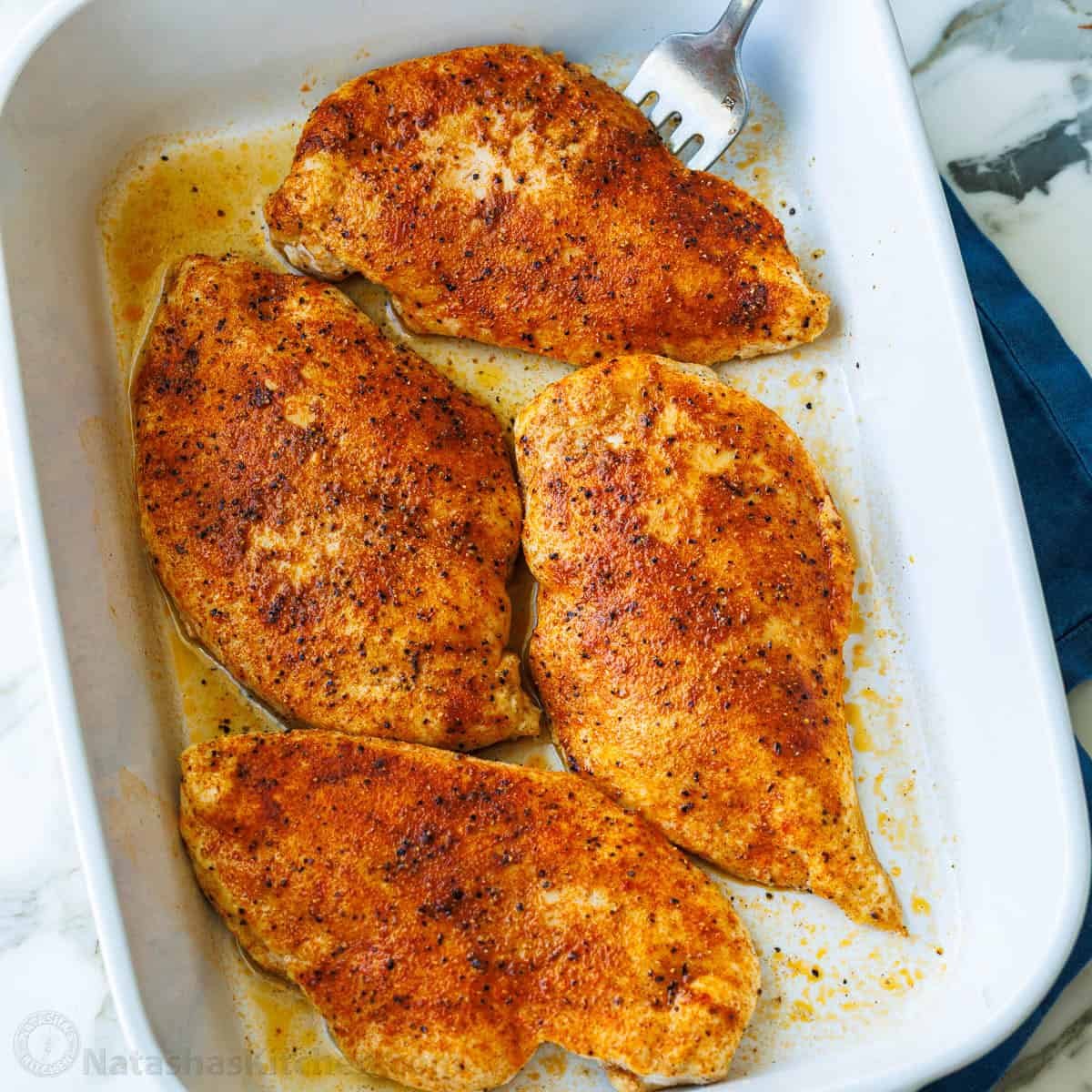
Photo credit: Natasha’s Kitchen
Want a reliable oven method? Try this baked chicken breast from Natasha’s Kitchen, or this grilled chicken breast from The Roasted Root.
Quick Fixes for Juicy Chicken
- Pound to an even thickness
- Salt or marinate before cooking
- Use medium high to high heat
- Pull at 160°F to 165°F
- Rest before slicing
Wrapping Up
Dry chicken is a fixable problem, not a cooking curse. Focus on even thickness, a little salt, high heat, and a thermometer, and you will taste the difference right away. For step by step help, see how to cook juicy chicken breast every time.
Which mistake were you making? Share your chicken wins in the comments below!