Eating more protein is one of the simplest changes you can make for better energy, fuller meals, and stronger muscles. If you are just getting started, the numbers and advice online can feel overwhelming. This beginner guide keeps it simple. You will learn what protein does, how much you actually need, and the easiest foods to start with. You will also get four starter recipes from trusted food creators so you can put it into practice this week.
Four Easy Starter Recipes
Healthy Cottage Cheese Breakfast Bowl
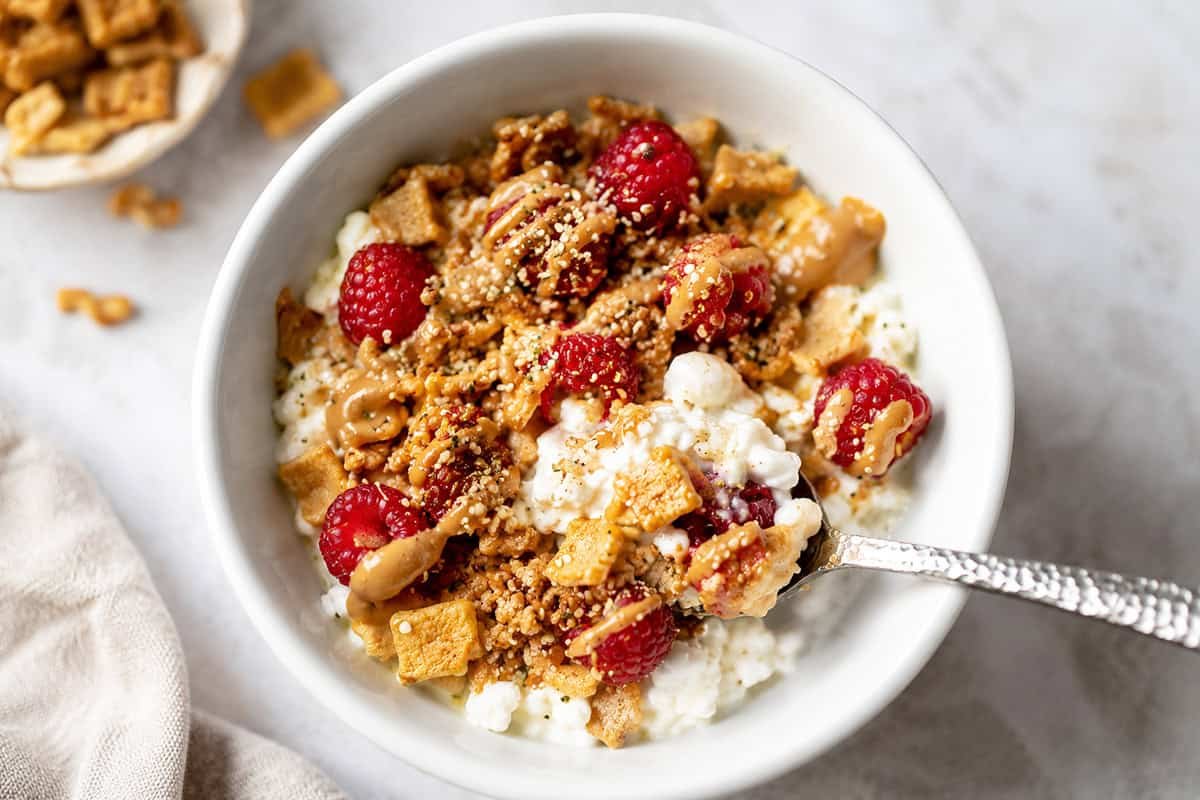
Photo credit: Low Carb with Jennifer
Low Carb with Jennifer tops cottage cheese with raspberries, crunchy cereal, almond butter, and hemp hearts. Cinnamon and a drizzle of honey make it feel like a treat. It takes about five minutes to build.
This bowl packs about 39 grams of protein. It is an easy way to fix a low protein breakfast. Swap the berries with the seasons.
For recipe: Healthy Cottage Cheese Breakfast Bowl
High Protein Honey Mustard Chicken Salad

Photo credit: Kalejunkie
Kalejunkie mixes cooked chicken and turkey bacon with a creamy Greek yogurt honey mustard dressing. Whole grain mustard and apple cider vinegar keep it tangy. Serve it in a wrap, on greens, or with crackers.
Each serving delivers about 33 grams of protein. It is a simple make ahead lunch for the week. Use rotisserie chicken to save time.
For recipe: High Protein Honey Mustard Chicken Salad
Protein Bean Salad
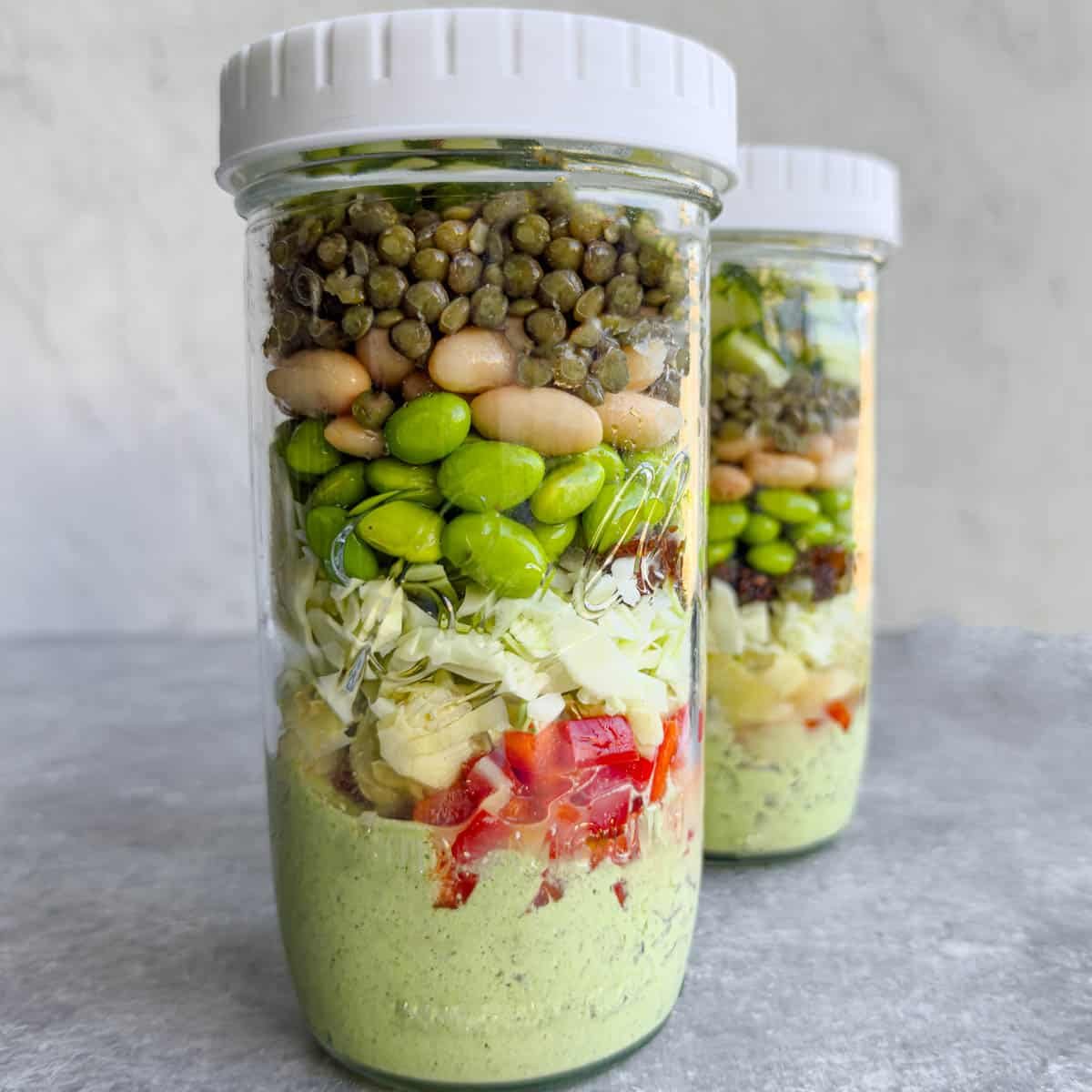
Photo credit: Cooking For Peanuts
Cooking For Peanuts tosses beans with a creamy dressing made from hemp hearts, miso, nutritional yeast, and fresh herbs. Lemon and red wine vinegar make it bright. It is a great pick for plant based eaters.
Each serving has about 39 grams of protein with no meat at all. It keeps well in the fridge for a few days. Pack it for lunch or serve it as a side.
For recipe: Protein Bean Salad
Instant Pot Beef Barbacoa
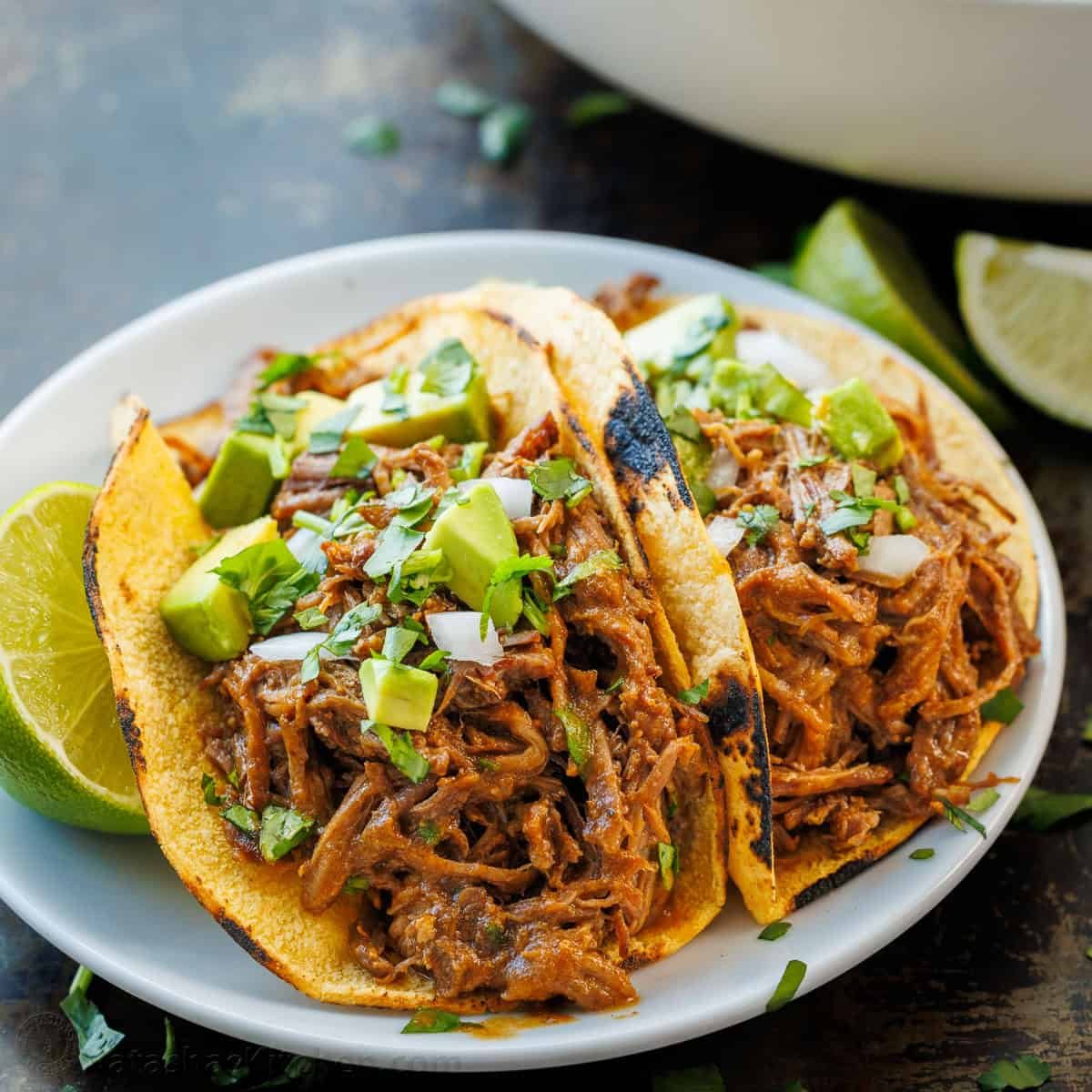
Photo credit: NatashasKitchen.com
Natasha’s Kitchen pressure cooks beef chuck roast with onion, garlic, green chiles, and spices until it falls apart. It tastes like the restaurant version. Use it in tacos, bowls, and salads.
Each serving packs about 44 grams of protein. One batch feeds a family or covers lunches all week. Freeze leftovers in small portions.
For recipe: Instant Pot Beef Barbacoa
Common Beginner Questions
Do I need protein powder
No, you can meet your needs with whole foods. Protein powder simply makes it more convenient on busy days.
Can I eat too much protein
Most healthy adults handle higher protein intakes well. People with kidney disease should follow their doctor’s advice on protein.
Is plant protein good enough
Yes, especially when you eat a mix of beans, lentils, soy, grains, nuts, and seeds through the day.
What Protein Does for Your Body
Protein builds and repairs muscle, skin, hair, and nearly every tissue in your body. It also helps make enzymes and hormones that keep things running. Meals with protein tend to keep you full longer, which helps cut down on constant snacking.
How Much Protein You Need
Most healthy adults need at least 0.8 grams of protein per kilogram of body weight each day, according to Harvard Health Publishing. To find your number, divide your weight in pounds by 2.2, then multiply by 0.8. For example, a 160 pound adult needs about 58 grams a day at minimum.
Active people often need more. One joint position paper from the Academy of Nutrition and Dietetics, Dietitians of Canada, and the American College of Sports Medicine suggests 1.2 to 2.0 grams per kilogram for athletes. Check with your doctor or a registered dietitian if you have kidney disease or other health conditions.
- Less active adults, about 0.8 grams per kilogram
- Regular exercisers, about 1.2 to 1.6 grams per kilogram
- Athletes and heavy lifters, up to about 2.0 grams per kilogram
Spread Protein Across Your Meals
Many people eat little protein at breakfast and a lot at dinner. Spreading it out helps you stay full and supports your muscles all day. Aim for about 25 to 30 grams at each meal as a starting point.
Easy Protein Foods to Start With
- Chicken breast, turkey, and lean ground beef
- Fish like salmon, tuna, and shrimp
- Eggs and egg whites
- Greek yogurt and cottage cheese
- Milk and ultra filtered milk
- Beans, lentils, and chickpeas
- Tofu, tempeh, and edamame
- Protein powder for smoothies and baking
Your First Week Plan
- Day 1 to 2, track what you eat now so you know your starting point.
- Day 3 to 4, add one protein food to breakfast.
- Day 5, prep a batch of chicken, eggs, or beans for the week.
- Day 6, swap one snack for a high protein option like Greek yogurt.
- Day 7, check your totals and pick one new recipe for next week.
Wrapping Up
High protein eating does not have to be complicated. Find your daily number, add protein to every meal, and keep a few easy foods on hand. Start with one of the recipes above and build from there. For a full day of meals, check out our sample day of eating 100g of protein and save this guide to your Pinterest board.
What is your biggest challenge with eating more protein? Tell us in the comments below, and share any question you have. We will answer as many as we can!
1 thought on “High Protein Eating for Beginners: How Much You Need and Where to Start”