
Ever wonder why a simple plate of pasta or a basic chicken breast tastes so much better at a restaurant? Usually the answer isn’t a secret ingredient or fancy equipment. Professional cooks rely on a handful of techniques that build flavor at every step, and most of them are easy to copy in your home kitchen. They season more boldly, cook over hotter heat, finish sauces with butter, and add acid right before serving. They also prep everything in advance so nothing burns while they search for an ingredient. This guide breaks down the 10 biggest secrets restaurants use to make food taste better, with simple ways to use each one tonight. You’ll also see a few copycat recipes that put these tricks into action. Once you start cooking like a pro, even weeknight dinners will taste like something you’d happily order out. Grab a pinch of salt and a squeeze of lemon, and let’s get cooking.
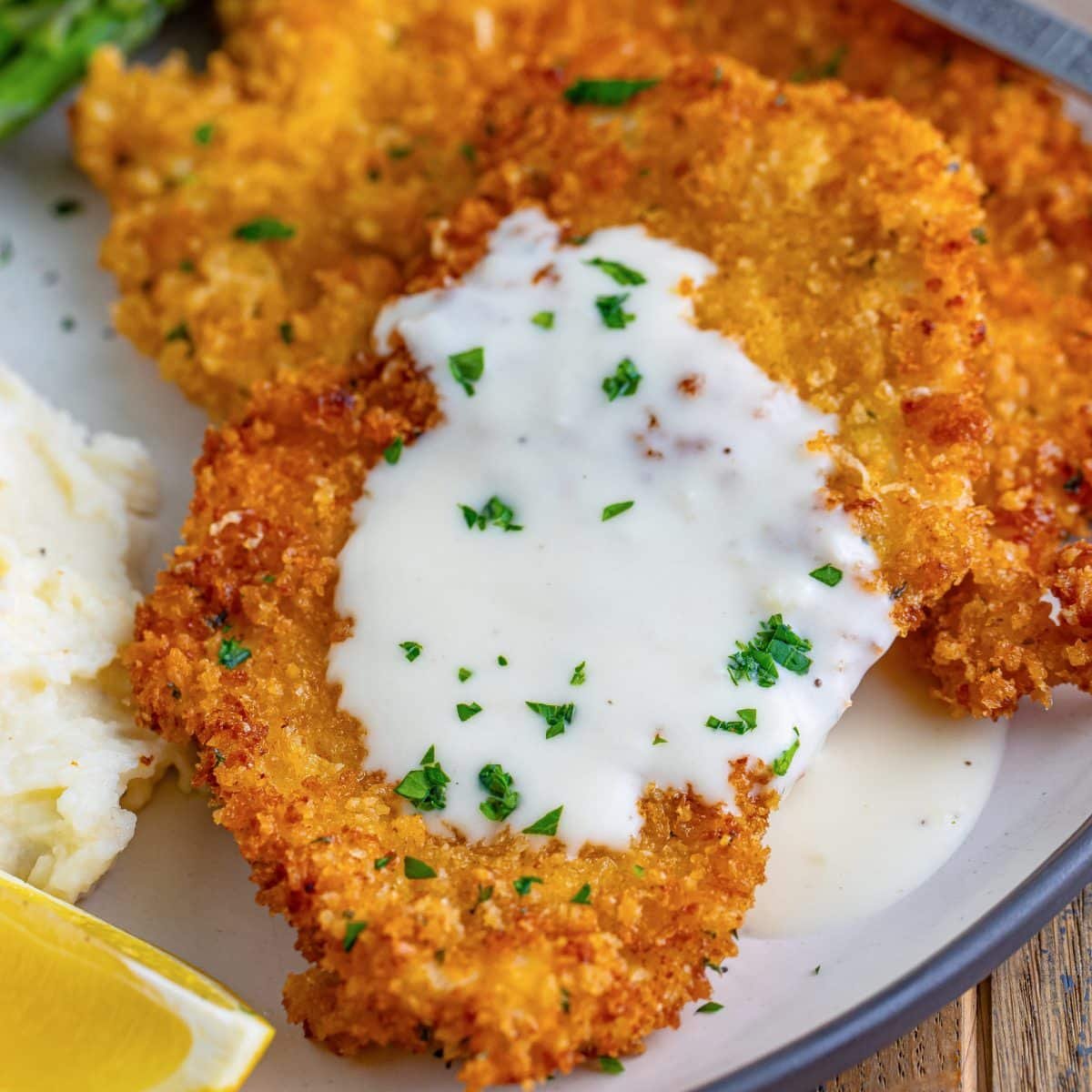
Photo credit: The Country Cook
Season Generously and Early
Restaurants salt food at every stage, not just at the end. Salting meat ahead of time lets it penetrate deeper, and seasoning pasta water makes noodles taste better on their own. Taste as you cook and adjust as you go.
Use Way More Fat Than You Think
Butter, olive oil, and cream carry flavor and give dishes that rich, glossy finish. Chefs aren’t shy about a pat of butter in a pan sauce. Even a small extra spoonful at home makes a noticeable difference.
Get the Pan Really Hot
Restaurant burners run hotter than home stoves, which creates deep browning and crispy edges. Preheat your skillet for a few minutes before adding food, and don’t crowd the pan. Patience here builds huge flavor.
Finish With Acid
Lemon juice, vinegar, or a splash of wine wakes up flat flavors. Chefs add acid at the end to brighten soups, sauces, and roasted vegetables. If a dish tastes dull, it usually needs acid rather than more salt.
Make Pan Sauces From the Fond
Those browned bits stuck to the pan are pure flavor. Deglaze with broth or wine, scrape them up, then swirl in cold butter for a silky sauce in minutes. It’s the easiest restaurant trick to master.
See a creamy restaurant sauce in action with this Cheesecake Factory chicken costoletta.
Prep Everything First
Professional kitchens call it mise en place, meaning everything in its place. Chop, measure, and organize ingredients before you turn on the heat. Cooking becomes calmer and food is less likely to burn.
Use Fresh Herbs and Garnishes
Sprinkling parsley, chives, or basil right before serving adds color and freshness. Restaurants garnish nearly every plate. Fresh herbs make even simple meals look and taste special.
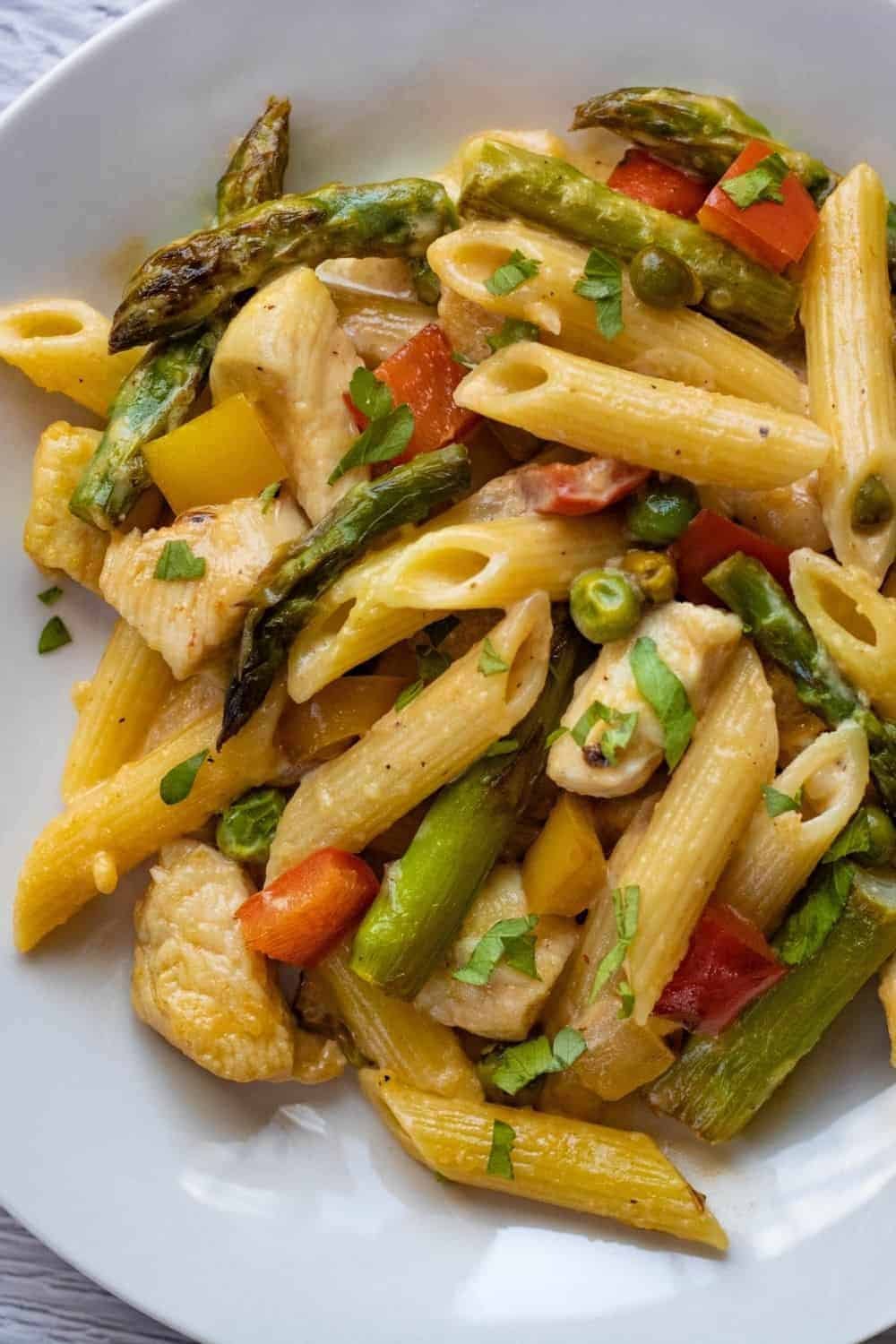
Photo credit: Everyday Family Cooking
Practice layering flavor with this spicy chicken chipotle pasta.
Rest Meat Before Slicing
Letting steaks, chicken, and roasts rest for five to 10 minutes keeps the juices inside. Cutting too soon leaves the meat dry and the cutting board wet. Tent loosely with foil while it rests.
Build Layers of Flavor
Chefs start with aromatics like onion and garlic, toast spices in oil, and add tomato paste to deepen sauces. Each layer adds complexity. Rushing these early steps leaves dishes tasting flat.
Taste and Adjust Before Serving
Every chef tastes the final dish and tweaks it one more time. Ask yourself if it needs salt, acid, heat, or sweetness. This last check is what turns good food into great food.
Put These Secrets to Work
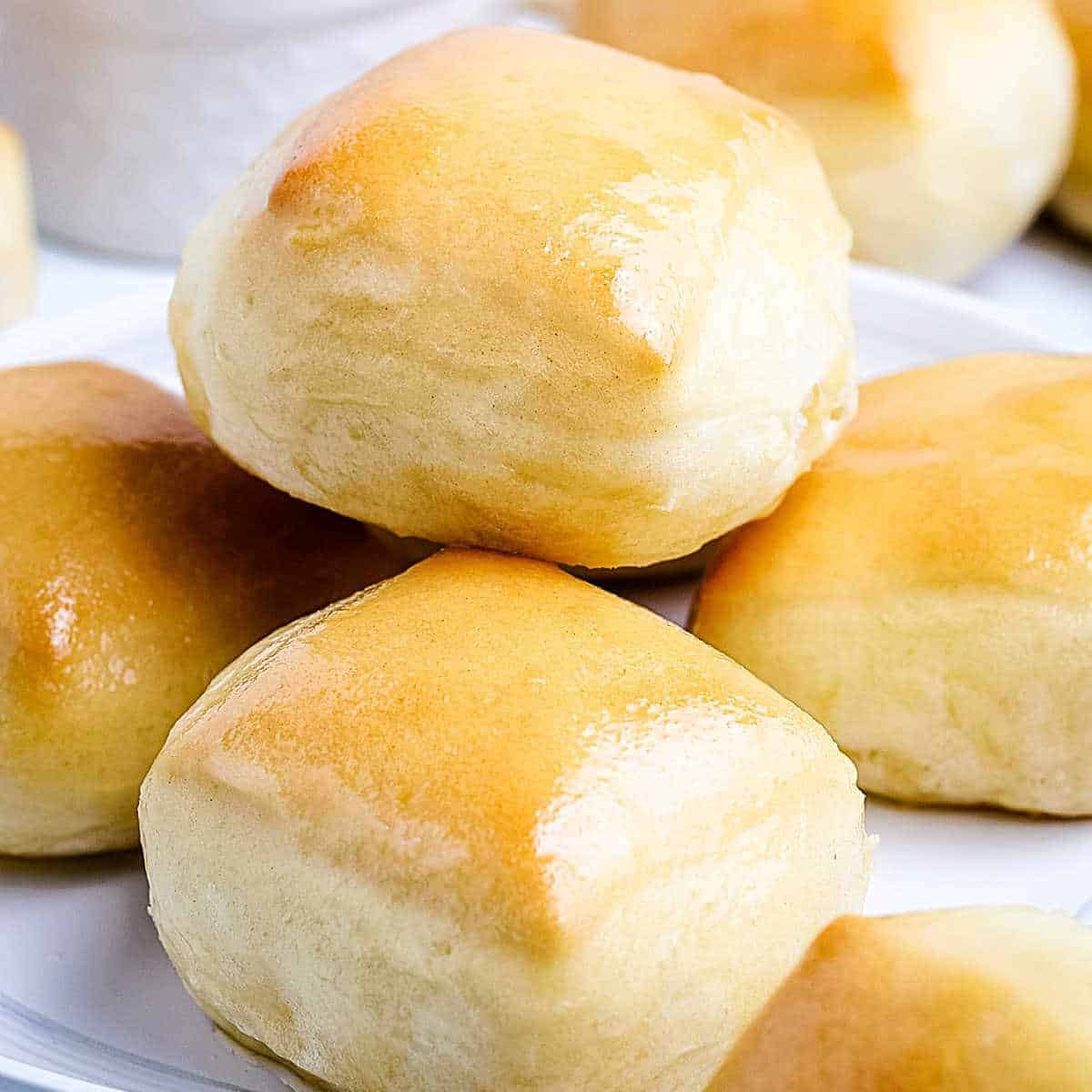
Photo credit: Julie’s Eats and Treats
Start with one or two techniques this week, like salting earlier and finishing with lemon. Then try a copycat favorite such as these Texas Roadhouse rolls or browse our easiest copycat recipes for beginners.
Wrapping Up
Restaurant flavor comes from technique, not magic. Season boldly, cook hot, finish with acid and fresh herbs, and taste before serving, and your home cooking will improve overnight. Pin this list and keep it near the stove.
Which restaurant secret will you try first? Let us know in the comments below!