
Homemade bread is one of the most rewarding things you can bake, but beginners often get stuck on one big question. Should you start with sourdough or with regular yeast bread? Both make delicious loaves from simple ingredients, yet they work very differently. Sourdough relies on a homemade starter full of wild yeast, while yeast bread uses a packet or jar of commercial yeast that works quickly and predictably. Each method has its own learning curve, timeline, flavor, and level of hands on effort. This comparison of sourdough vs yeast bread breaks down time, difficulty, taste, cost, and flexibility so you can decide which path fits your schedule and goals. You will also find beginner friendly recipes from trusted bakers for both styles. By the end, you will know exactly where to start with homemade bread at home and when to try the other method.

Photo credit: Lynn’s Way of Life
What Makes Sourdough Different
Sourdough rises with a living starter of flour and water that you feed regularly. Wild yeast and lactic acid bacteria work slowly, giving bread a tangy flavor, chewy texture, and longer shelf life. Most loaves take 24 to 48 hours from feeding to slicing, though only about 30 minutes is hands on.
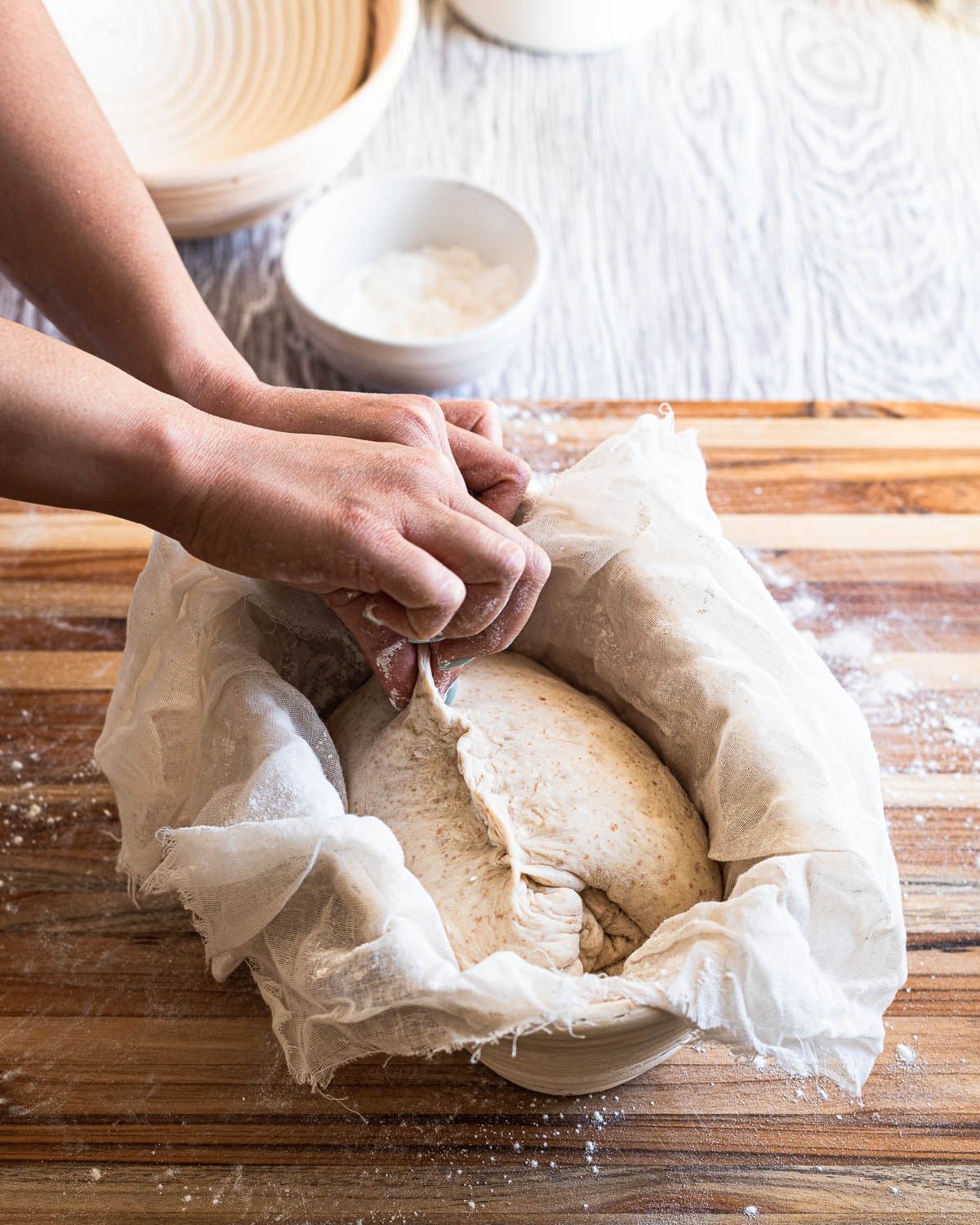
Photo credit: Make It Dough
What Makes Yeast Bread Different
Yeast bread uses commercial instant or active dry yeast, which works fast and behaves the same way every time. Many sandwich loaves, rolls, and buns go from mixing bowl to table in three or four hours. Flavor is milder and the crumb is usually softer.

Photo credit: Heart’s Content Farmhouse
Time Commitment
Yeast bread wins for speed, since you can bake it on a weekday afternoon. Sourdough needs planning, but most of its time is passive rising, often overnight in the fridge.
Learning Curve
Yeast bread is more forgiving for a true beginner because rise times are predictable. Sourdough asks you to learn how to read dough, judge starter activity, and adjust for kitchen temperature.
Flavor and Texture
Sourdough offers complex tang, a crackly crust, and an open crumb. Yeast bread gives a soft, mild loaf that kids and sandwich lovers usually prefer.
Cost and Ingredients
Sourdough costs only flour, water, and salt once your starter is going. Yeast bread adds the small cost of yeast, plus sugar, milk, or butter in many enriched recipes.
Pros at a Glance
- Yeast bread is fast, predictable, soft, and great for sandwiches and rolls
- Sourdough is flavorful, long lasting, rustic, and needs no store bought yeast
- Both use simple pantry ingredients and basic equipment
Easy Recipes to Try First

Photo credit: Fresh April Flours
For a fast yeast bread win, try this easy no knead bread or these easy homemade buns. Ready for sourdough? Start with this whole wheat sourdough sandwich bread once your starter is active.
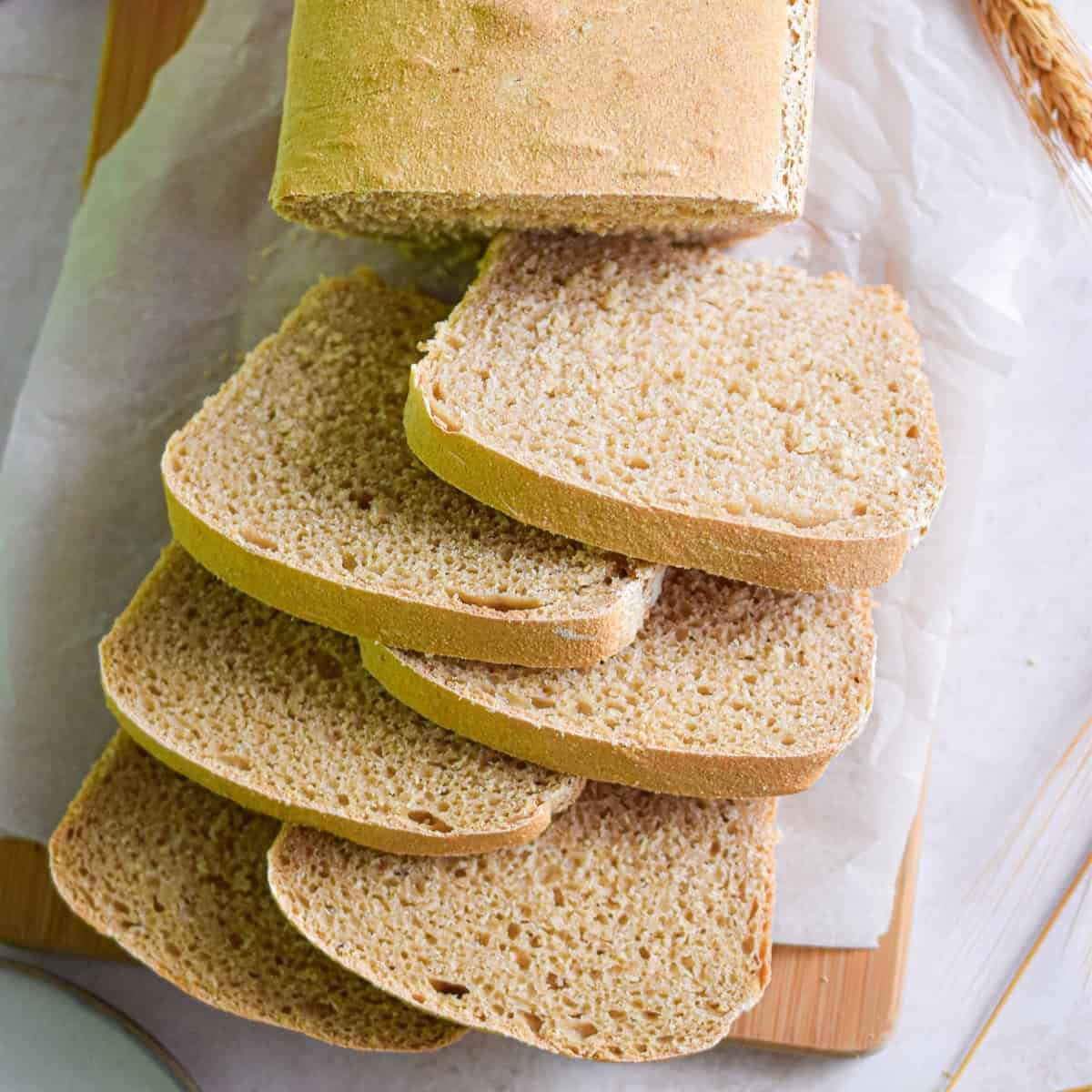
Photo credit: Lynn’s Way of Life
So Which Is Easier for Beginners
Yeast bread is easier for your very first loaf because it is quick and predictable. Sourdough is not harder so much as slower, and it rewards patience with deeper flavor. Many bakers start with a simple yeast loaf to learn how dough should feel, then begin a starter once they feel confident.
Wrapping Up
There is no wrong place to start, so choose the method that fits your schedule and taste. Bake a few yeast loaves for quick wins, then grow a starter when you want more flavor. Ready to try sourdough? Follow our guide on how to make a sourdough starter from scratch and pin this comparison for later.
Are you team sourdough or team yeast bread? Tell us in the comments below!