
Greek yogurt and cottage cheese are two of the most popular high protein foods in the dairy aisle. Both are creamy, versatile, and packed with protein, so it is easy to wonder which one deserves a spot in your fridge. Social media makes it even more confusing, with viral recipes for both popping up every week. Some people swear by yogurt for breakfast, while others whip cottage cheese into everything from dips to pasta sauce. This guide compares them side by side on protein, calories, sodium, and how they work in recipes. You will also find three easy recipes for each from trusted food creators. After the recipes, a nutrition breakdown shows which has more protein and where each one wins. Neither choice is wrong, but one may suit you better. By the end, you will know which one fits your goals best, or why you might want both. Grab a spoon and let’s settle the Greek yogurt vs cottage cheese debate.
3 Greek Yogurt Recipes to Try
Mediterranean Chia Pudding with Yogurt
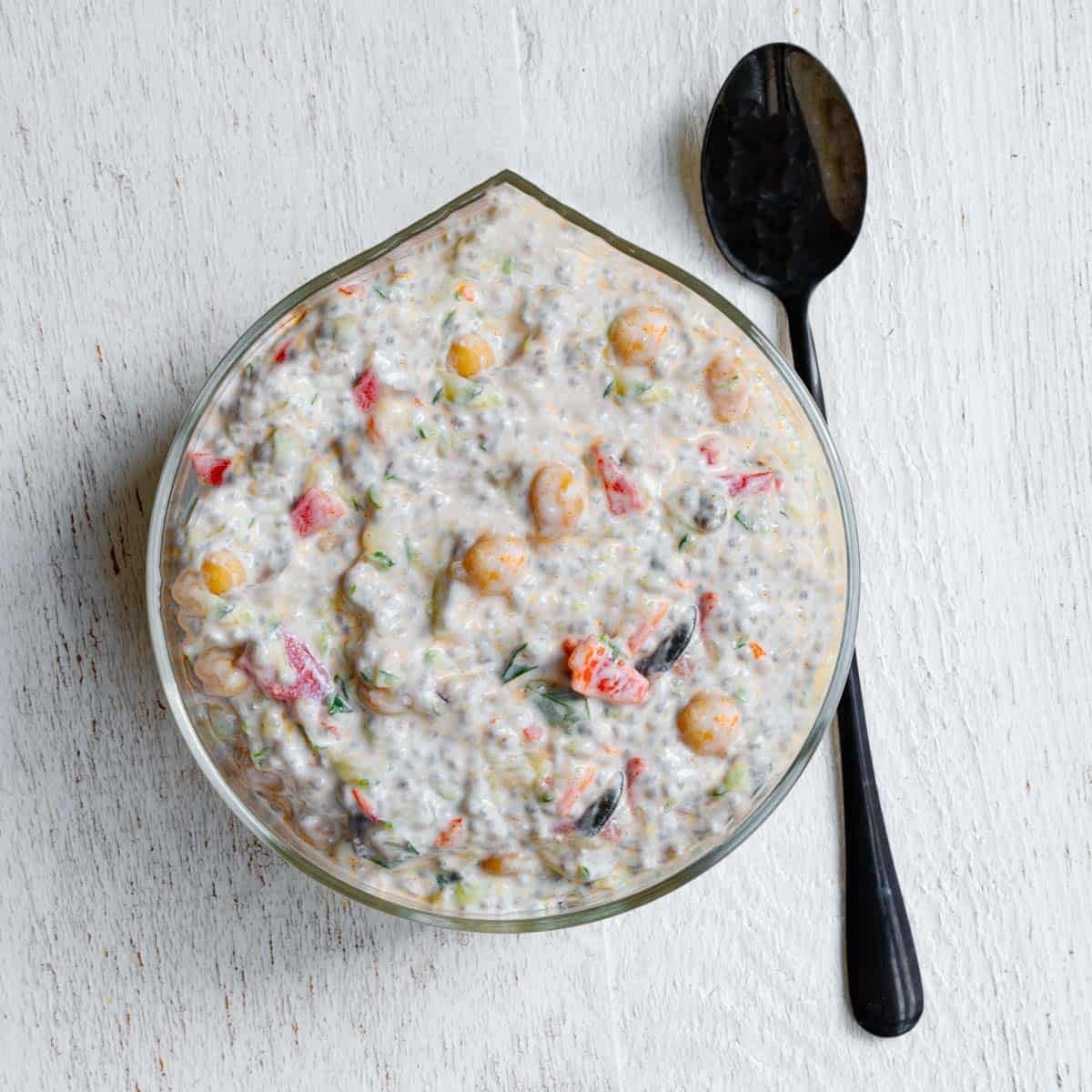
Photo credit: Cooking For Peanuts
Cooking For Peanuts makes a savory chia pudding with Greek yogurt, chickpeas, cucumber, herbs, and pumpkin seeds. It is a fresh twist on the usual sweet version. Make it the night before for an easy breakfast or lunch.
Each serving packs about 34 grams of protein. Greek yogurt keeps it creamy without any heavy cream. Add a drizzle of olive oil on top.
For recipe: Mediterranean Chia Pudding with Yogurt
Peach Crisp Yogurt Bowl

Photo credit: Eating Bird Food
This recipe tops Greek yogurt with warm cinnamon maple peaches and a crunchy topping. Vanilla whey and a little cottage cheese boost the protein. It tastes like peach crisp for breakfast.
Each bowl delivers about 36 grams of protein. Use frozen peaches when they are out of season. It works as a dessert too.
For recipe: Peach Crisp Yogurt Bowl
Greek Yogurt Peanut Butter Bowls

Photo credit: Carmy
This version swirls peanut butter, maple syrup, and cinnamon into thick Greek yogurt. Hemp hearts add crunch and extra protein. Pile on your favorite fruit.
Each bowl has about 25 grams of protein. It takes about two minutes to make. Kids love it as an after school snack.
For recipe: Greek Yogurt Peanut Butter Bowls
3 Cottage Cheese Recipes to Try
Ground Beef Cottage Cheese Bowl
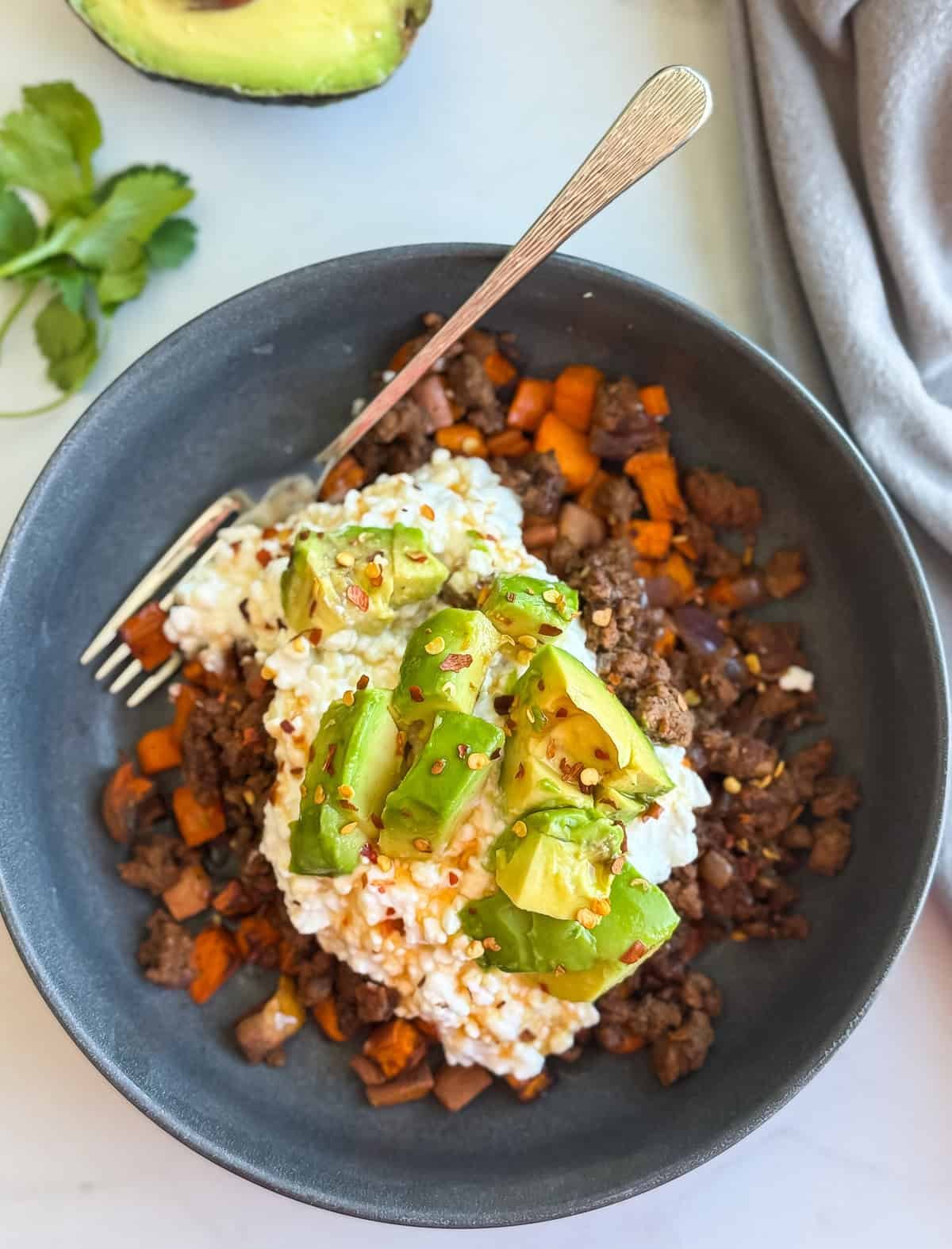
Photo credit: Well Plated by Erin Clarke
This dish tops roasted sweet potatoes with seasoned ground beef and a scoop of cottage cheese. Red onion and tomato paste build a savory base. It is a viral bowl made easy.
Each bowl packs about 46 grams of protein. It works great for meal prep lunches. Add hot sauce or salsa for a kick.
For recipe: Ground Beef Cottage Cheese Bowl
Cottage Cheese Cacio e Pepe

Photo credit: Skinnytaste
Skinnytaste blends cottage cheese with Pecorino, Parmesan, garlic, and black pepper into a silky pasta sauce. Protein spaghetti makes it even more filling. It tastes rich but stays light.
Each serving delivers about 16 grams of protein. Dinner is ready in about 20 minutes. Top it with extra pepper and cheese.
For recipe: Cottage Cheese Cacio e Pepe
Garlic and Herb Whipped Cottage Cheese Dip
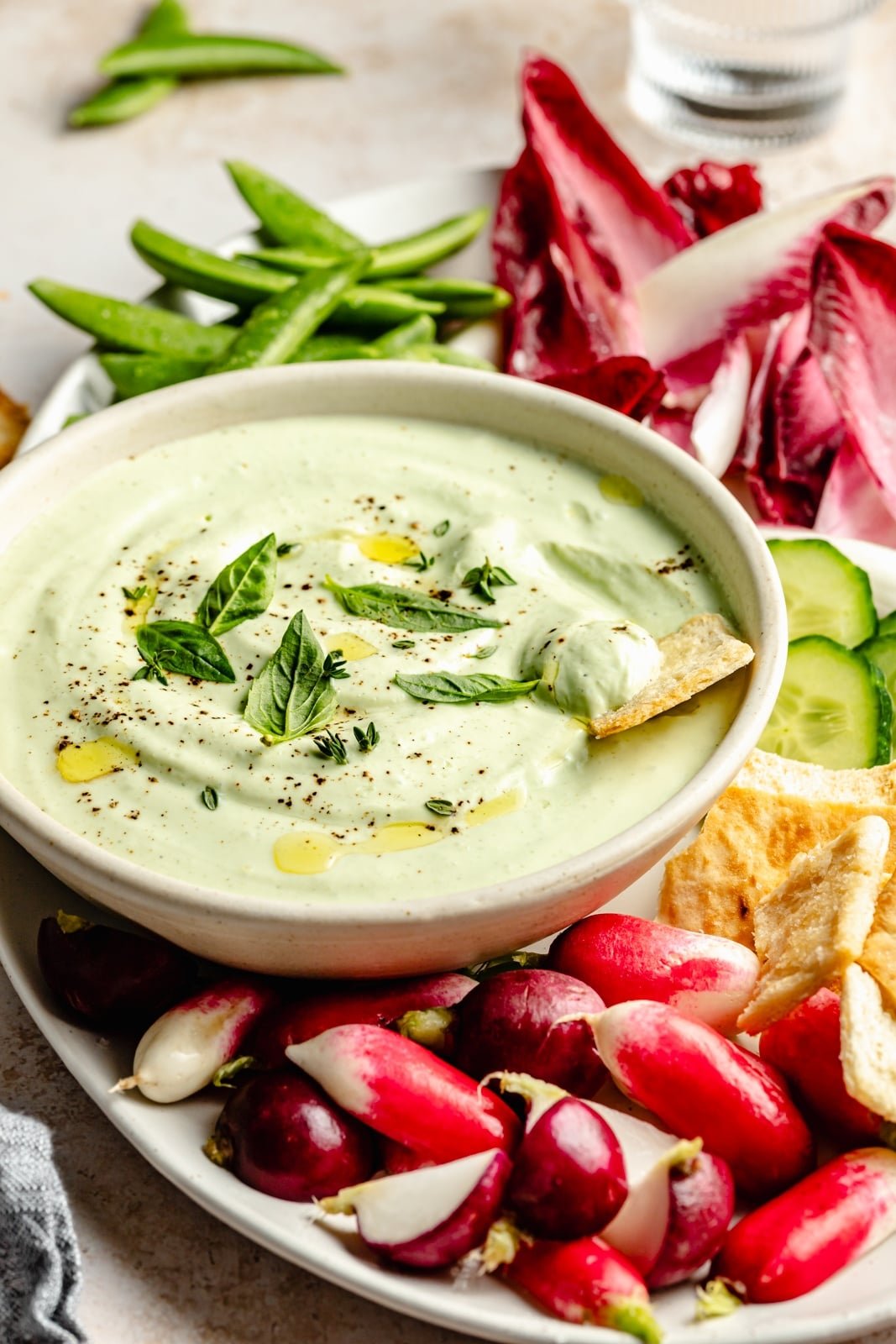
Photo credit: Ambitious Kitchen
Here, the recipe whips cottage cheese with fresh basil, thyme, and garlic until it turns light and fluffy. It tastes like a fancy herb spread. Serve it with veggies, crackers, or pita.
Each serving has about 15 grams of protein. It comes together in a food processor in minutes. Spread leftovers on sandwiches.
For recipe: Garlic and Herb Whipped Cottage Cheese Dip
So Which One Should You Choose
Pick Greek yogurt if you want lower sodium, gut friendly cultures, and a smooth base for sweet recipes. Choose cottage cheese if you want a bit more protein and a food that melts into savory dishes. Honestly, the best move is to keep both in your fridge and use them in different ways.
Greek Yogurt vs Cottage Cheese Nutrition
| Per 1 cup | Plain nonfat Greek yogurt | Low fat cottage cheese |
|---|---|---|
| Protein | About 23 grams | About 24 to 28 grams |
| Calories | About 135 | About 165 to 185 |
| Sodium | About 80 mg | About 700 to 900 mg |
| Calcium | About 250 mg | About 140 to 250 mg |
| Live cultures | Yes | Only in some brands |
These rounded numbers come from USDA FoodData Central and typical nutrition labels. Brands vary a lot, especially for sodium, so always check the label on the tub you buy.
Which Has More Protein
Cup for cup, they are close. Low fat cottage cheese often edges ahead by a few grams, while Greek yogurt usually comes in a bit lower in calories. For pure protein per bite, both are excellent choices.
Where Greek Yogurt Wins
- Much lower in sodium
- Contains live and active cultures
- Smooth texture works in smoothies, dips, and dressings
- Easy swap for sour cream and mayo
- Often easier for people who are sensitive to lactose
Where Cottage Cheese Wins
- Often a few more grams of protein per cup
- Melts into sauces, eggs, and baked goods
- Blends into a silky base for pasta and desserts
- Mild, savory flavor that pairs with almost anything
- Tends to cost less per gram of protein
Wrapping Up
Greek yogurt and cottage cheese are both protein superstars, and neither one is a bad choice. Greek yogurt shines in smoothies, bowls, and baking. Cottage cheese works great in savory dishes, dips, and creamy sauces. Compare labels for protein, sodium, and added sugar before you buy. Think about how you like to cook, then try a recipe or two from each side. You might end up a fan of both. For more ideas, check out our 15 Cottage Cheese Recipes High in Protein and save this post to your Pinterest board.
Are you team Greek yogurt or team cottage cheese? Tell us in the comments below, and share your favorite way to eat it.